
Pests are organisms that can cause harm to human health, property, and the environment. They can invade homes, gardens, and agricultural fields, leading to significant economic losses and health risks. Understanding what constitutes a pest is crucial for effective management and control.
Pests can be insects, rodents, birds, or even plants that disrupt the balance of ecosystems or create nuisances in our daily lives. As you navigate through various environments, you may encounter these unwelcome guests, making it essential to recognize their presence and understand their impact. The significance of pest control cannot be overstated.
It plays a vital role in maintaining public health, protecting crops, and preserving the integrity of structures. By identifying and managing pests effectively, you can minimize their adverse effects and create a healthier living environment. This article will delve into various categories of pests, providing you with insights into their characteristics, behaviors, and the challenges they pose.
Key Takeaways
- Pests are organisms that cause harm or nuisance to humans, animals, or plants.
- Common examples of insect pests include mosquitoes, flies, cockroaches, and ants.
- Rodent pests include rats and mice, which can spread diseases and cause damage to property.
- Bird pests such as pigeons and seagulls can cause damage to buildings and spread diseases.
- Plant pests include aphids, caterpillars, and fungi that can damage crops and gardens.
Common Examples of Insect Pests
Ants: Social Insects with a Sweet Tooth
Ants are social insects that can form large colonies, often invading kitchens in search of food. Their ability to communicate and work together makes them particularly challenging to eliminate once they establish a presence in your home. You may find them marching in lines, scouting for crumbs or sugary substances, which can be quite unsettling.
Cockroaches: Resilient and Rapidly Reproducing Pests
Cockroaches are another notorious insect pest that thrives in warm, humid environments. They are known for their resilience and ability to reproduce rapidly, making them a formidable foe in pest control efforts. If you’ve ever encountered a cockroach scuttling across your kitchen floor at night, you know how unsettling it can be. Their presence not only indicates poor sanitation but also poses health risks as they can carry pathogens that lead to allergies and asthma.
Termites: Silent Destroyers of Wooden Structures
Termites are often referred to as “silent destroyers” due to their ability to cause extensive damage to wooden structures before you even realize they are present. These pests feed on cellulose found in wood, paper, and other plant materials. If you notice signs of wood damage or mud tubes along your foundation, it’s crucial to act quickly to prevent costly repairs.
Understanding the behaviors of these insect pests is essential for effective prevention and control strategies.
Common Examples of Rodent Pests

Rodents are another significant category of pests that can invade homes and businesses. The most common rodent pests include mice and rats. Mice are small creatures that can squeeze through tiny openings, making them adept at infiltrating your living spaces.
They are known for their rapid reproduction rates, which can lead to infestations if not addressed promptly. If you hear scratching noises in your walls or find droppings in your pantry, it’s likely that mice have made themselves at home. Rats, on the other hand, are larger and more aggressive than mice.
They can cause severe damage by gnawing on electrical wires, insulation, and even structural components of your home. Their presence can also pose serious health risks as they are known carriers of diseases such as leptospirosis and hantavirus. If you suspect a rat infestation, it’s essential to take immediate action to safeguard your health and property.
Both mice and rats are highly adaptable creatures that thrive in urban environments. They often seek shelter in attics, basements, and even within walls. Understanding their habits and behaviors can help you implement effective prevention measures, such as sealing entry points and maintaining cleanliness in your living spaces.
Common Examples of Bird Pests
Birds can also become pests when they invade urban areas or agricultural settings. Common examples include pigeons, starlings, and sparrows. Pigeons are often found in cities where they roost on buildings and monuments.
While they may seem harmless, their droppings can cause significant damage to structures and pose health risks due to the diseases they carry. Starlings are another bird species that can become problematic, particularly in agricultural settings. They often flock in large numbers, feeding on crops and causing substantial losses for farmers.
If you’ve ever witnessed a massive cloud of starlings swooping down on a field, you understand the challenges they present for those trying to protect their harvests. Sparrows may seem innocuous but can also become nuisances when they invade homes or gardens. They often build nests in eaves or vents, leading to potential blockages and damage.
Understanding the behaviors of these bird pests is crucial for implementing effective control measures while ensuring compliance with local wildlife regulations.
Common Examples of Plant Pests
Plant pests can wreak havoc on gardens and agricultural crops alike. Common examples include aphids, caterpillars, and spider mites. Aphids are small sap-sucking insects that can quickly multiply and damage plants by feeding on their juices.
If you notice curled leaves or a sticky residue on your plants, aphids may be the culprits. Caterpillars are the larval stage of moths and butterflies and can cause significant damage to foliage as they feed voraciously on leaves. If you’ve ever found large holes in your plants or noticed a sudden decline in their health, caterpillars may be responsible for the destruction.
Spider mites are tiny arachnids that thrive in hot, dry conditions. They feed on plant sap and can cause stippling or yellowing of leaves. If you suspect a spider mite infestation, it’s essential to act quickly to prevent further damage to your plants.
Understanding these plant pests will help you implement effective management strategies to protect your garden or crops.
Common Examples of Nuisance Pests
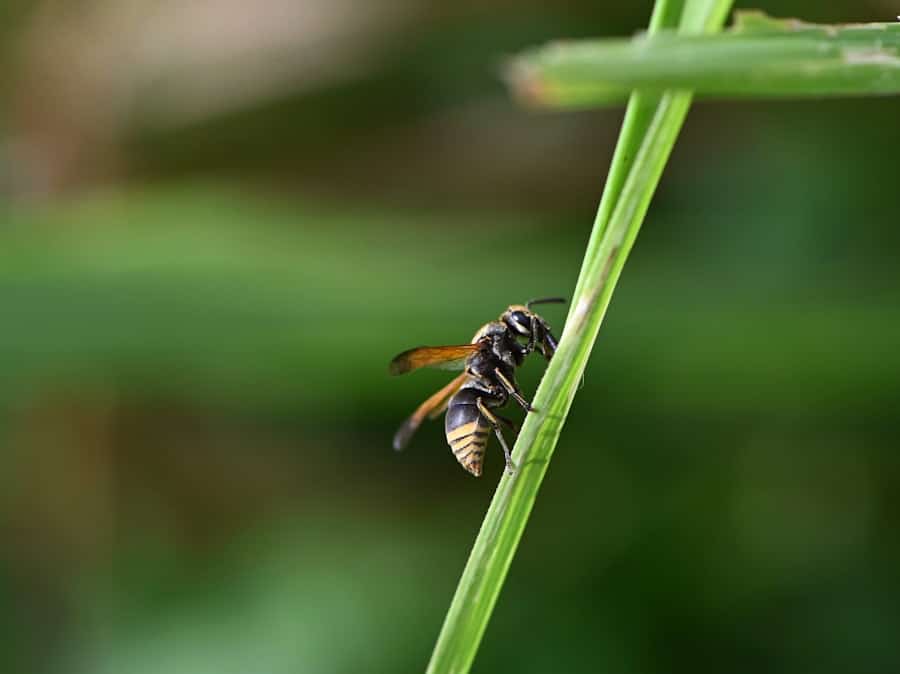
The Irritation of Mosquitoes
Mosquitoes are notorious for their irritating bites and the potential transmission of diseases such as West Nile virus and Zika virus. If you’ve ever spent a summer evening swatting away these pesky insects, you know how frustrating they can be.
The Nuisance of Flies
Flies are another common nuisance pest that can invade homes and businesses. Houseflies are attracted to food waste and decaying matter, making them a common sight in kitchens during warmer months. Their presence not only creates an unpleasant environment but also raises concerns about hygiene.
The Discomfort of Fleas
Fleas are small parasites that feed on the blood of mammals and birds. If you have pets at home, you may find yourself dealing with flea infestations that can lead to discomfort for both animals and humans alike. Understanding the behaviors of these nuisance pests is essential for implementing effective control measures to maintain a comfortable living environment.
Common Examples of Household Pests
Household pests encompass a wide range of organisms that can invade your living spaces. Common examples include bed bugs, silverfish, and pantry pests like weevils. Bed bugs have gained notoriety for their ability to hide in mattresses and bedding, feeding on human blood during the night.
Their bites can lead to itchy welts and sleepless nights, making them one of the most dreaded household pests. Silverfish are small, wingless insects that thrive in damp areas such as bathrooms and basements. They feed on starchy materials like paper and glue, causing damage to books and wallpaper.
If you’ve ever discovered small holes in your favorite book or noticed yellow stains on your wallpaper, silverfish may be the culprits. Pantry pests like weevils can invade stored food products such as grains and cereals. These tiny beetles can quickly multiply if left unchecked, leading to contamination of your food supply.
Understanding how these household pests operate will help you take proactive measures to keep your living spaces pest-free.
Common Examples of Agricultural Pests
Agricultural pests pose significant challenges for farmers striving to protect their crops from damage. Common examples include locusts, corn borers, and root maggots. Locusts are notorious for their swarming behavior; when conditions are right, they can form massive clouds that devastate entire fields within hours.
Corn borers are caterpillars that tunnel into corn stalks, weakening plants and reducing yields significantly. If you’re involved in agriculture or gardening, recognizing the signs of corn borer infestations is crucial for timely intervention. Root maggots are another agricultural pest that targets root vegetables like carrots and onions.
They feed on plant roots underground, leading to stunted growth or complete crop failure if not managed effectively. Understanding these agricultural pests will empower you to implement integrated pest management strategies that protect your harvests.
Common Examples of Structural Pests
Structural pests can cause significant damage to buildings and infrastructure if left unchecked. Common examples include termites, carpenter ants, and wood-boring beetles. Termites are perhaps the most infamous structural pest due to their ability to consume wood from the inside out without any visible signs until extensive damage has occurred.
Carpenter ants also pose a threat as they excavate wood to create nests within structures. Unlike termites, carpenter ants do not consume wood but rather hollow it out for nesting purposes. If you notice sawdust-like debris around wooden structures or hear rustling sounds within walls at night, it may indicate a carpenter ant infestation.
Wood-boring beetles can also compromise the integrity of wooden structures by tunneling through beams and furniture. Understanding these structural pests is essential for homeowners looking to protect their investments from costly repairs.
Examples of Pests in Different Environments
Pests can thrive in various environments ranging from urban settings to rural landscapes. In urban areas, you may encounter rodents like rats and mice scavenging for food in alleys or parks while insects like cockroaches find refuge in buildings with poor sanitation practices. In rural settings, agricultural pests such as locusts or aphids may threaten crops while birds like starlings flock around fields looking for food sources.
Each environment presents unique challenges when it comes to pest management; understanding these differences will help you tailor your approach accordingly. Additionally, natural environments such as forests or wetlands harbor their own set of pests like ticks or mosquitoes that thrive in humid conditions. Recognizing how different environments influence pest populations will enable you to develop effective strategies for prevention and control.
Importance of Pest Control
In conclusion, understanding the various types of pests that invade our homes, gardens, and agricultural fields is crucial for effective management strategies. From insect pests like ants and cockroaches to rodent invaders such as mice and rats, each category presents unique challenges that require tailored approaches for control. The importance of pest control cannot be overstated; it safeguards public health by minimizing disease transmission while protecting property from damage caused by infestations.
By recognizing the signs of pest activity early on and implementing proactive measures for prevention and control, you can create a healthier living environment for yourself and those around you. As you navigate through different environments—whether urban or rural—being aware of potential pest threats will empower you to take action when necessary. Ultimately, effective pest management contributes not only to individual well-being but also fosters healthier ecosystems overall.
If you are looking for the best pest control service in Fort Worth, Texas, Des Moines, Iowa, or Fayetteville, North Carolina, Thrift Pest Control has got you covered. Their team of experts is dedicated to providing top-notch pest control services to ensure your home or business is free from unwanted pests. For more information on the services they offer in each location, check out their website net/best-pest-control-service-des-moines-iowa/’>here, and here.
FAQs
What is a pest?
A pest is any organism that is detrimental to humans, animals, crops, or the environment. Pests can cause damage, spread disease, and compete with humans for resources.
What are some examples of pests?
Examples of pests include insects such as mosquitoes, cockroaches, and termites; rodents such as rats and mice; birds such as pigeons; and weeds such as dandelions and crabgrass.
How do pests impact humans?
Pests can impact humans in various ways, including causing damage to property, spreading diseases, contaminating food and water sources, and causing allergic reactions. They can also have economic impacts by reducing crop yields and increasing the cost of pest control.
How are pests controlled?
Pests are controlled through various methods, including the use of pesticides, traps, biological control agents, and cultural practices such as sanitation and habitat modification. Integrated pest management (IPM) is a holistic approach that combines multiple control methods to manage pests effectively and minimize environmental impact.