
Subterranean termites are among the most notorious pests that can wreak havoc on homes and structures. As a homeowner, you may find yourself concerned about these tiny creatures that thrive beneath the surface, often going unnoticed until significant damage has occurred. These termites are social insects that live in colonies, typically found underground or within wood that is in contact with the soil.
Their ability to cause extensive damage to wooden structures makes them a significant concern for property owners. Understanding their behavior, characteristics, and the signs of infestation is crucial for effective prevention and control. The subterranean termite, particularly the Eastern subterranean termite (Reticulitermes flavipes), is one of the most common species in the United States.
They play a vital role in the ecosystem by breaking down cellulose materials, such as dead trees and plant matter. However, when they invade your home, their ecological benefits are overshadowed by the potential for destruction. This article will delve into the physical characteristics of subterranean termites, how they differ from other termite species, and the importance of identifying and controlling these pests.
Key Takeaways
- Subterranean termites are a destructive pest that live in underground colonies and feed on wood.
- They are small, pale insects with straight antennae and a thick waist, and they build mud tubes to travel above ground.
- Signs of subterranean termite infestation include mud tubes, damaged wood, and discarded wings near windows and doors.
- Subterranean termites differ from other species in their preference for moist environments and their reliance on soil for survival.
- Compared to drywood termites, subterranean termites require contact with soil and build mud tubes for protection.
Physical Characteristics of Subterranean Termites
Body Structure
They have a soft-bodied appearance with a creamy white to light brown coloration. Their bodies are divided into three main sections: the head, thorax, and abdomen.
Identification Characteristics
One of the most notable characteristics is their straight antennae, which can help you identify them more easily. Worker termites, which are responsible for foraging and feeding the colony, are wingless and measure about 1/4 to 1/2 inch in length. In contrast, reproductive termites, known as alates or swarmers, have wings and are slightly larger than workers.
Distinguishing Features
These swarmers are often mistaken for flying ants due to their similar appearance. However, you can distinguish them by their straight antennae and the equal length of their wings. The presence of these reproductive termites usually indicates that a colony is mature and may be preparing to expand its territory. Understanding these physical traits can aid you in recognizing subterranean termites before they cause significant damage.
Signs of Subterranean Termite Infestation
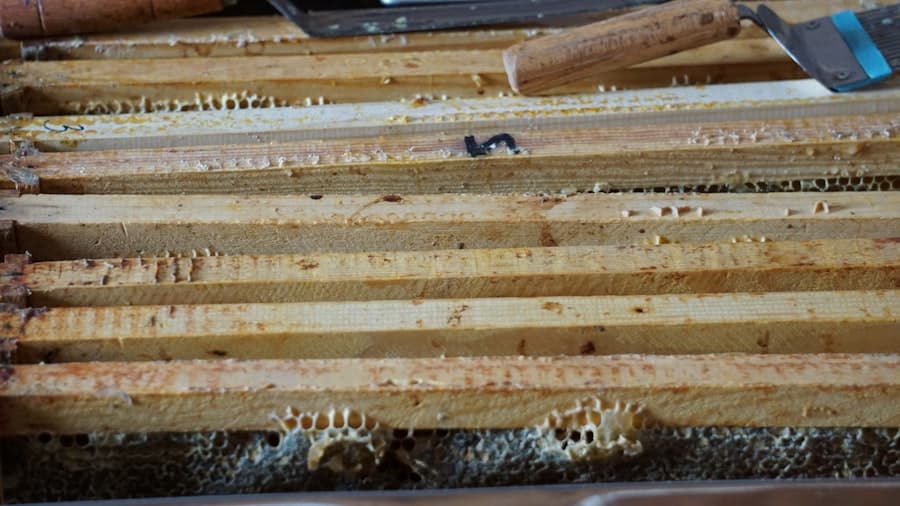
Detecting a subterranean termite infestation early is crucial for minimizing damage to your property. One of the most common signs of an infestation is the presence of mud tubes. These tubes are constructed from soil, wood particles, and saliva, allowing termites to travel between their underground colonies and above-ground food sources while protecting themselves from predators and dehydration.
You may find these tubes along foundation walls, in crawl spaces, or even inside wooden structures. Another telltale sign is the presence of damaged wood. If you notice hollow-sounding wood or small holes in wooden structures, it may indicate that termites have been feeding on it.
Additionally, discarded wings from swarmers can often be found near windowsills or light fixtures during swarming season, which typically occurs in the spring or early summer. Being vigilant about these signs can help you catch an infestation early and take appropriate action before extensive damage occurs.
How Subterranean Termites Differ from Other Termite Species
Subterranean termites differ significantly from other termite species in terms of habitat and behavior. While subterranean termites primarily live underground and require contact with soil for moisture, drywood termites (Kalotermes spp.) establish colonies within dry wood and do not need soil contact. This fundamental difference in habitat leads to variations in their feeding habits and nesting behaviors.
Subterranean termites tend to cause more widespread damage due to their ability to travel through soil and access multiple wooden structures. Additionally, subterranean termites are known for their complex social structure within colonies. They have a caste system that includes workers, soldiers, and reproductive individuals, each with specific roles that contribute to the colony’s survival.
In contrast, drywood termites have a simpler social structure with fewer castes. Understanding these differences can help you identify the type of termite infestation you may be dealing with and tailor your control strategies accordingly.
Comparison of Subterranean Termites with Drywood Termites
When comparing subterranean termites with drywood termites, one of the most significant distinctions lies in their nesting habits. Subterranean termites build their colonies underground and create extensive tunnel systems that allow them to access food sources over large areas. In contrast, drywood termites establish colonies within the wood they infest, often leading to localized damage that can be harder to detect until it becomes severe.
Another key difference is their moisture requirements. Subterranean termites need a constant source of moisture from the soil to survive, which is why they are often found in areas with high humidity or near water sources. Drywood termites, on the other hand, can thrive in drier conditions since they derive moisture from the wood they consume.
This difference in moisture needs influences how you might approach prevention and treatment for each type of termite infestation.
Comparison of Subterranean Termites with Dampwood Termites
Habitat and Moisture Requirements
As their name suggests, dampwood termites thrive in decaying wood with high moisture content, often found in areas with poor drainage or near water sources like rivers or lakes. Unlike subterranean termites that require contact with moisture, dampwood termites survive solely on the moisture within the wood they infest.
Damage Potential and Threat to Structures
Dampwood termites typically do not pose as significant a threat to structures as subterranean termites do. This is largely because dampwood termites are less likely to invade homes; they prefer natural wood sources such as fallen trees or stumps. However, if you have dampwood conditions around your property—such as leaky roofs or plumbing issues—you may inadvertently create an environment conducive to these pests.
Proactive Measures to Protect Your Property
Recognizing these differences can help you take proactive measures to protect your home from various types of termite infestations.
Comparison of Subterranean Termites with Conehead Termites
Conehead termites (Nasutitermes spp.) are another species that differ from subterranean termites in several ways. One notable distinction is their nesting behavior; conehead termites build above-ground nests made from soil and plant material, often resembling small mounds or nests in trees or shrubs. This contrasts sharply with subterranean termites’ preference for underground colonies that rely on soil contact.
Behaviorally, conehead termites are known for their aggressive nature and rapid reproduction rates compared to subterranean termites. They can quickly establish new colonies and spread across large areas if left unchecked. While subterranean termites tend to cause gradual damage over time as they tunnel through wood and soil, conehead termites can create visible damage more rapidly due to their nesting habits and feeding behaviors.
Understanding these differences can help you identify potential threats to your property more effectively.
Understanding the Behavior of Subterranean Termites
The behavior of subterranean termites is fascinating yet concerning for homeowners. These social insects operate within a highly organized colony structure that includes workers responsible for foraging and feeding the colony, soldiers tasked with defending against threats, and reproductive individuals focused on expanding the colony’s population. This division of labor allows them to efficiently gather resources and maintain their nests.
Subterranean termites are also known for their ability to communicate through pheromones—chemical signals that convey information about food sources or danger within the colony. This communication plays a crucial role in coordinating activities among colony members and ensuring their survival. Their foraging behavior often leads them to travel long distances in search of food, making it essential for homeowners to be vigilant about potential entry points into their homes.
Prevention and Control of Subterranean Termite Infestations
Preventing subterranean termite infestations requires a proactive approach that focuses on reducing conditions conducive to their survival. One effective strategy is to eliminate moisture sources around your home by fixing leaks, ensuring proper drainage, and maintaining gutters free of debris. Additionally, storing firewood away from your home and keeping mulch at least six inches away from foundation walls can help deter these pests.
If you suspect an infestation or want to take preventive measures, consider consulting a pest control professional who specializes in termite management. They can conduct thorough inspections and recommend appropriate treatments tailored to your specific situation. Options may include baiting systems that attract and eliminate termites or liquid treatments that create a barrier around your home.
Importance of Identifying Subterranean Termites
Identifying subterranean termites accurately is crucial for effective pest management strategies. Misidentifying them as other species could lead to ineffective treatments that fail to address the root problem. Early detection is key; recognizing signs of an infestation allows you to take swift action before extensive damage occurs.
Moreover, understanding the specific characteristics and behaviors of subterranean termites can inform your prevention efforts moving forward. By knowing what attracts them and how they operate within their colonies, you can implement targeted strategies that minimize your risk of future infestations.
Conclusion and Final Thoughts
In conclusion, subterranean termites pose a significant threat to homes and structures due to their destructive feeding habits and complex social behaviors. By understanding their physical characteristics, signs of infestation, and how they differ from other termite species, you can better equip yourself to identify potential threats early on. Implementing preventive measures and seeking professional assistance when necessary will go a long way in protecting your property from these pests.
As a homeowner, staying informed about subterranean termites is essential for safeguarding your investment and ensuring peace of mind. By taking proactive steps now—such as regular inspections and maintenance—you can significantly reduce your risk of encountering these destructive pests in the future. Remember that knowledge is power; being aware of what lurks beneath the surface can help you maintain a safe and secure home environment.
If you are dealing with a termite infestation, it is crucial to seek the help of a professional pest control service. In cities like Nashville, Davidson, Tennessee, and Raleigh, North Carolina, Thrift Pest Control offers the best pest control services to help you get rid of these destructive pests. In their article “The Zen of Pest Control: Finding Calm Amidst the Creepy Crawly Chaos,” they discuss the importance of staying calm and seeking professional help when dealing with pest infestations. This article provides valuable insights on how to handle pest control issues effectively and efficiently. Read more here.
FAQs
What are subterranean termites?
Subterranean termites are a species of termites that live underground and build their colonies in soil. They are known for their destructive behavior, as they feed on wood and can cause significant damage to buildings and other wooden structures.
What are the telltale signs of subterranean termites?
Some common signs of subterranean termite infestation include mud tubes on the exterior of buildings, damaged or hollow-sounding wood, discarded termite wings, and small holes in wood surfaces. Additionally, subterranean termites may also produce a musty odor in the area where they are infesting.
How do subterranean termites differ from other termite species?
Subterranean termites differ from other termite species in their nesting habits and foraging behavior. Unlike drywood termites, which nest in the wood they infest, subterranean termites build their colonies in the soil and create mud tubes to access above-ground food sources. Additionally, subterranean termites require higher moisture levels to survive compared to drywood termites.