
Termites, often perceived as mere nuisances, play a significant role in the agricultural landscape. Their presence can lead to devastating consequences for farmers and the broader agricultural economy. As you delve into the world of agriculture, it becomes evident that these small insects can wreak havoc on crops, leading to substantial losses.
Understanding the impact of termites is crucial for anyone involved in farming or agricultural management, as it highlights the need for effective strategies to mitigate their damage. The relationship between termites and agriculture is complex. While they are known for their destructive tendencies, termites also contribute to soil health and nutrient cycling.
However, when their populations explode, the negative effects can overshadow their ecological benefits. As you explore this topic further, you will uncover the dual nature of termites in agriculture—both as pests and as integral components of the ecosystem.
Key Takeaways
- Termites cause significant economic losses in agriculture, impacting livelihoods and rural communities.
- Crops such as sugarcane, cotton, and maize are most affected by termite damage, leading to reduced yields and quality.
- Termites play a crucial role in ecosystems, but their impact on agriculture requires effective control methods.
- Sustainable and eco-friendly approaches to termite management are essential for protecting crops and the environment.
- Early detection and prevention of termite infestations are key to minimizing the cost of termite damage to agriculture and rural communities.
Economic Losses Caused by Termites in Agriculture
The Economic Impact of Termite Infestations on Agriculture
Termite infestations in Agriculture: A Multibillion-Dollar Problem
Farmers often face significant financial losses due to reduced crop yields and increased costs associated with pest control measures. Estimates suggest that termites cause billions of dollars in damage annually across various agricultural sectors.
The Devastating Impact on Smallholder Farmers
This financial burden can be particularly devastating for smallholder farmers who rely heavily on their crops for sustenance and income. In addition to direct losses from crop damage, the economic impact extends to increased labor costs and the need for more intensive management practices.
The Broader Implications of Termite Infestations
As you consider the broader implications, it becomes clear that termite infestations can lead to a cycle of debt and financial instability for farmers. The economic losses are not just numbers on a balance sheet; they represent real challenges faced by individuals and communities striving to maintain their livelihoods.
Types of Crops Most Affected by Termite Damage

Certain crops are more susceptible to termite damage than others, and understanding these vulnerabilities is essential for effective agricultural planning. You may be surprised to learn that staple crops such as maize, sorghum, and sugarcane are among the most affected by termite activity. These crops are vital for food security in many regions, making their protection paramount.
In addition to staple crops, cash crops like cotton and tobacco also face significant threats from termites. The damage inflicted by these pests can lead to reduced quality and yield, ultimately affecting market prices and farmer income. As you reflect on this information, consider how the loss of these key crops can ripple through local economies, impacting not just farmers but entire communities dependent on agricultural production.
The Role of Termites in Ecosystems and Agriculture
While termites are often vilified for their destructive tendencies, they also play a crucial role in maintaining healthy ecosystems. As decomposers, they break down organic matter, contributing to soil fertility and structure. You might find it interesting that their tunneling activities aerate the soil, enhancing water infiltration and root growth for plants.
This duality highlights the importance of viewing termites not solely as pests but as integral players in the agricultural ecosystem. In sustainable agriculture, recognizing the beneficial aspects of termites can lead to more balanced management strategies. By fostering an environment where beneficial insects thrive while controlling pest populations, you can create a more resilient agricultural system.
This approach not only protects crops but also promotes biodiversity and soil health, ultimately leading to more sustainable farming practices.
Methods of Termite Control in Agriculture
Effective termite control is essential for safeguarding crops and minimizing economic losses. You may encounter a variety of methods employed by farmers to manage termite populations, ranging from chemical treatments to physical barriers. Chemical insecticides are commonly used due to their immediate effectiveness; however, they come with concerns regarding environmental impact and potential harm to beneficial organisms.
Physical barriers, such as metal mesh or treated wood, can also be effective in preventing termite access to crops. These methods require careful planning and implementation but can provide long-term solutions without the adverse effects associated with chemical treatments. As you explore these options, consider how integrated pest management (IPM) strategies can combine various approaches for a more holistic solution to termite control.
Sustainable and Eco-Friendly Approaches to Termite Management
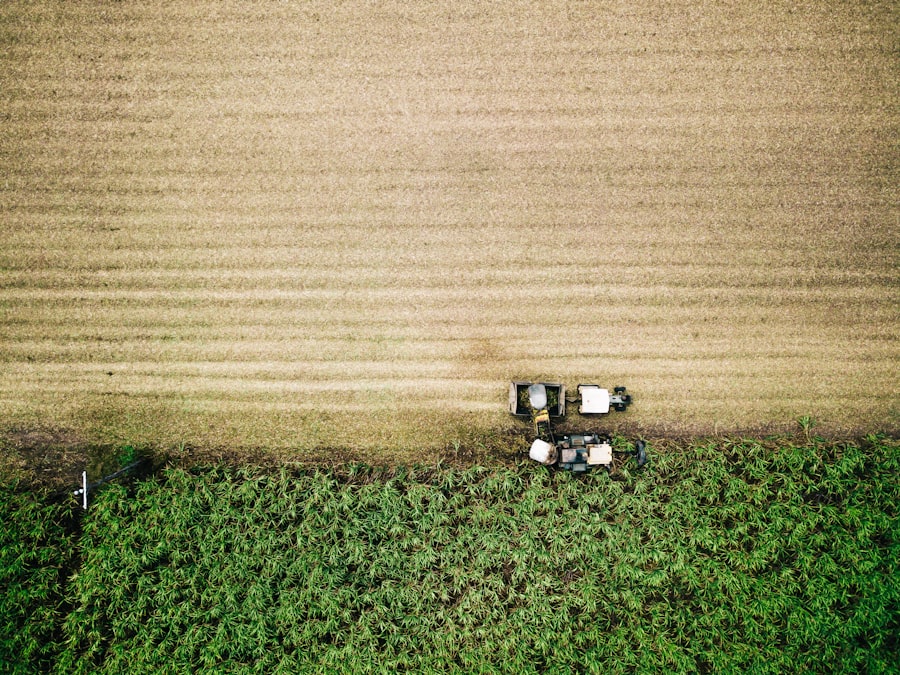
In recent years, there has been a growing emphasis on sustainable and eco-friendly approaches to termite management in agriculture. You may find it encouraging that many farmers are turning to natural predators and biological control methods as alternatives to chemical pesticides. For instance, introducing nematodes or certain fungi that target termites can help reduce their populations without harming other beneficial insects.
Additionally, promoting practices such as crop rotation and intercropping can enhance soil health and reduce termite infestations. By diversifying crops and creating a more complex ecosystem, you can disrupt the life cycles of termites and minimize their impact on agricultural production. Embracing these sustainable practices not only protects crops but also contributes to the overall health of the environment.
The Importance of Early Detection and Prevention of Termite Infestations
Early detection of termite infestations is critical for effective management and minimizing damage. You may be surprised to learn that many farmers overlook signs of termite activity until significant damage has occurred. Regular monitoring of fields for signs such as mud tubes or damaged plant roots can help catch infestations before they escalate.
Preventive measures are equally important in managing termite populations. Implementing practices such as maintaining proper drainage, reducing moisture levels around crops, and using resistant plant varieties can significantly lower the risk of infestations. As you consider these strategies, remember that proactive management is key to protecting your crops and ensuring long-term agricultural success.
The Cost of Termite Damage to Livelihoods and Rural Communities
The impact of termite damage extends beyond individual farmers; it affects entire rural communities reliant on agriculture for their livelihoods. You may find it disheartening that when crops fail due to termite infestations, families face food insecurity and economic hardship. This situation can lead to increased poverty levels and reduced access to education and healthcare in affected areas.
Moreover, the social fabric of rural communities can be strained as farmers struggle to cope with the financial burden of pest control measures and lost income. As you reflect on this issue, consider how addressing termite infestations is not just an agricultural concern but a matter of social justice and community resilience.
Case Studies of Successful Termite Management in Agriculture
Examining case studies of successful termite management can provide valuable insights into effective strategies for controlling these pests. You may find inspiration in stories from farmers who have implemented integrated pest management techniques with remarkable results. For instance, some farmers have successfully combined biological control methods with cultural practices like crop rotation to reduce termite populations while maintaining healthy yields.
These success stories often highlight the importance of community collaboration and knowledge sharing among farmers. By working together and exchanging experiences, you can develop more effective strategies tailored to local conditions. As you explore these case studies, consider how innovation and cooperation can lead to sustainable solutions for managing termite infestations in agriculture.
Government Policies and Support for Termite Control in Agriculture
Government policies play a crucial role in supporting farmers facing challenges from termite infestations. You may be interested to learn about initiatives aimed at providing resources for pest management education, research funding for sustainable practices, and financial assistance for affected farmers. These policies can empower communities by equipping them with the knowledge and tools needed to combat termite damage effectively.
Furthermore, collaboration between government agencies, agricultural organizations, and research institutions can lead to the development of comprehensive strategies for termite control. As you think about the future of agriculture, consider how supportive policies can foster resilience among farmers and contribute to sustainable agricultural practices that protect both crops and livelihoods.
The Importance of Protecting Crops and Livelihoods from Termite Damage
In conclusion, understanding the impact of termites on agriculture is essential for anyone involved in farming or agricultural management. The economic losses caused by these pests can be staggering, affecting not only individual farmers but entire communities reliant on agriculture for their livelihoods. By recognizing the types of crops most affected by termite damage and exploring effective control methods, you can take proactive steps toward protecting your agricultural investments.
Moreover, embracing sustainable approaches to termite management can lead to healthier ecosystems while safeguarding crops from damage. Early detection and prevention are critical components of effective pest management strategies that ensure long-term success in agriculture. As you reflect on this topic, remember that protecting crops from termite damage is not just about preserving yields; it is about securing livelihoods and fostering resilient rural communities for generations to come.
Termites can wreak havoc on agriculture, causing significant damage to crops and threatening the livelihoods of farmers. In order to protect against these destructive pests, it is essential to implement effective pest control measures. For a comprehensive guide on navigating pest infestations, check out this article. Additionally, for the best pest control services in Colorado Springs, Colorado, and Honolulu, Hawaii, visit here and here respectively. Protecting crops and livelihoods from termites is crucial for the sustainability of agriculture.
FAQs
What is the impact of termites on agriculture?
Termites can cause significant damage to agricultural crops, leading to reduced yields and economic losses for farmers. They feed on plant material, including crops such as sugarcane, maize, and cotton, and can also damage agricultural infrastructure such as irrigation systems and storage facilities.
How do termites affect livelihoods in agriculture?
The damage caused by termites can have a direct impact on the livelihoods of farmers and agricultural workers. Reduced crop yields can lead to lower incomes, food insecurity, and increased financial strain on farming communities.
What are the methods for protecting crops from termites?
There are several methods for protecting crops from termites, including the use of chemical pesticides, biological control agents, and integrated pest management strategies. Physical barriers and resistant crop varieties can also be effective in preventing termite damage.
What are the economic costs of termite damage to agriculture?
The economic costs of termite damage to agriculture can be substantial, including the expenses associated with pest control measures, crop losses, and the need for repairs to damaged infrastructure. In some cases, the long-term impact on soil quality and agricultural productivity can also contribute to the overall economic burden.
How can farmers mitigate the impact of termites on their crops and livelihoods?
Farmers can mitigate the impact of termites by implementing proactive pest management strategies, such as regular monitoring for termite activity, using resistant crop varieties, and adopting sustainable agricultural practices that promote soil health and biodiversity. Collaboration with agricultural extension services and research institutions can also provide valuable support and resources for termite control.