
Termites are often referred to as the silent destroyers of the insect world, and for good reason. These small, wood-eating insects can cause significant damage to your home without you even realizing it until it’s too late. With their ability to consume wood, paper, and other cellulose-based materials, termites can compromise the structural integrity of your property.
Understanding these pests is crucial for any homeowner, as it equips you with the knowledge needed to protect your investment. You may be surprised to learn that there are over 2,600 species of termites worldwide, with varying behaviors and habitats. While some species are beneficial to the ecosystem by breaking down dead trees and recycling nutrients back into the soil, others can wreak havoc on your home.
The most common types that invade homes include subterranean, drywood, and dampwood termites. Each type has its own unique characteristics and preferred environments, making it essential for you to identify which species may be lurking in your vicinity.
Key Takeaways
- Termites are small insects that feed on wood and can cause significant damage to homes and buildings.
- Signs of termite infestation include hollow-sounding wood, discarded wings, and mud tubes on walls and foundations.
- Termite damage can weaken the structure of a building and lead to costly repairs.
- Understanding termite behavior and habits can help in preventing infestations and protecting your home.
- Prevention and protection against termites include regular inspections, reducing moisture, and using termite-resistant materials.
Signs of Termite Infestation in Your Home
Recognizing the signs of a termite infestation early can save you from extensive damage and costly repairs. One of the most common indicators is the presence of mud tubes, which are small tunnels made from soil and saliva that termites use to travel between their nests and food sources. If you notice these tubes along your foundation walls or in crawl spaces, it’s a clear sign that termites are nearby.
Another telltale sign is the presence of discarded wings. After swarming, reproductive termites shed their wings, leaving them scattered around windowsills or near light sources. Additionally, you might notice hollow-sounding wood when you tap on beams or furniture, indicating that termites have been munching away inside.
If you see frass—tiny wood-colored pellets—around wooden structures, it’s another indication that drywood termites may be present. Being vigilant about these signs can help you catch an infestation before it escalates.
The Dangers of Termite Damage

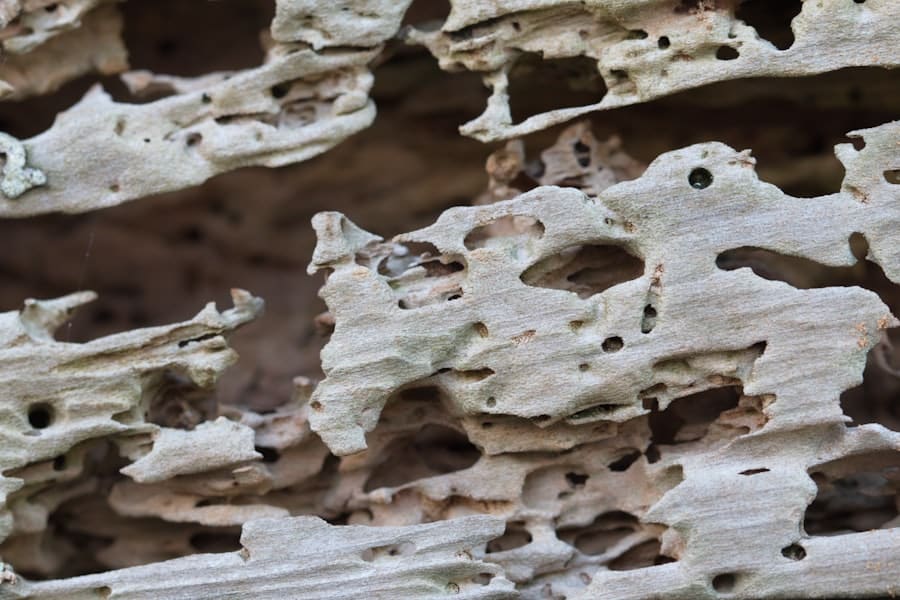
The dangers posed by termite damage extend far beyond mere aesthetics; they can threaten the very foundation of your home. Termites can weaken wooden structures, leading to sagging floors, warped walls, and even collapse in severe cases. This not only compromises your home’s safety but can also lead to significant financial burdens when repairs are necessary.
Moreover, termite damage is often not covered by standard homeowners’ insurance policies, leaving you to bear the full cost of repairs. The longer you wait to address an infestation, the more extensive the damage becomes, resulting in higher repair costs. Understanding these dangers emphasizes the importance of proactive measures in protecting your home from these destructive pests.
Understanding the Behavior and Habits of Termites
To effectively combat termites, it’s essential to understand their behavior and habits. Termites are social insects that live in colonies, which can range from a few thousand to millions of individuals. They operate under a caste system consisting of workers, soldiers, and reproductive members.
The worker termites are responsible for foraging for food and building tunnels, while soldiers protect the colony from threats. Termites thrive in warm, humid environments and are often found in areas with abundant wood sources. They are particularly attracted to damp wood, making homes with moisture issues prime targets for infestation.
Understanding these habits can help you identify potential vulnerabilities in your home and take steps to mitigate them.
Prevention and Protection Against Termites
Preventing termite infestations requires a proactive approach that focuses on eliminating conditions conducive to their survival. One of the most effective strategies is to reduce moisture levels around your home. Ensure proper drainage away from your foundation and fix any leaks in plumbing or roofing that could create damp environments.
Additionally, consider using physical barriers during construction or renovation projects. Installing metal mesh or sand barriers can deter subterranean termites from entering your home. Regular inspections of your property for signs of termite activity can also help catch infestations early.
By taking these preventive measures, you can significantly reduce the risk of termite damage.
DIY Methods for Termite Control
If you suspect a termite infestation but want to try addressing it yourself before calling in professionals, there are several DIY methods you can consider. One popular approach is using bait systems that contain slow-acting insecticides. These baits attract termites and allow them to carry the poison back to their colony, effectively eliminating a larger portion of the population over time.
Another method involves using natural repellents such as nematodes or diatomaceous earth. Nematodes are microscopic worms that prey on termites, while diatomaceous earth is a natural powder that damages their exoskeletons upon contact. While these methods may not provide immediate results like chemical treatments, they can be effective in managing smaller infestations.
Professional Termite Control Options
While DIY methods can be effective for minor infestations, enlisting professional pest control services is often necessary for larger problems. Professionals have access to advanced tools and treatments that are not available to the average homeowner. They can conduct thorough inspections to identify the extent of the infestation and recommend appropriate treatment options.
Common professional treatments include liquid termiticides that create a barrier around your home and bait systems designed to eliminate entire colonies. Additionally, professionals can provide ongoing monitoring services to ensure that any potential re-infestations are caught early. Investing in professional pest control not only addresses current issues but also helps safeguard your home against future threats.
The Cost of Termite Damage and Control
The financial implications of termite damage can be staggering. On average, homeowners spend thousands of dollars on repairs due to termite infestations each year. The cost varies depending on the extent of the damage and the type of treatment required but can easily reach into the tens of thousands for severe cases.
When considering termite control options, it’s essential to factor in both immediate costs and long-term investments in prevention. While professional treatments may seem expensive upfront, they can save you money in the long run by preventing extensive damage and repairs. Understanding these costs will help you make informed decisions about protecting your home.
Environmental Impact of Termite Control
When addressing termite infestations, it’s important to consider the environmental impact of control methods. Many traditional chemical treatments can pose risks to non-target species and contribute to pollution if not used responsibly. However, there are eco-friendly alternatives available that minimize harm to the environment while effectively managing termite populations.
For instance, using bait systems with less toxic ingredients or opting for natural repellents can reduce environmental risks associated with pest control. Additionally, promoting healthy ecosystems through proper landscaping and moisture management can create a balanced environment that discourages termite infestations without relying solely on chemical treatments.
Legal and Insurance Considerations for Termite Damage
Navigating legal and insurance considerations related to termite damage can be complex. Many homeowners’ insurance policies do not cover damage caused by termites, as infestations are often considered preventable through proper maintenance and inspections. It’s crucial for you to review your policy carefully and understand what is covered.
In some regions, there may be legal requirements for homeowners to disclose past termite infestations when selling a property. Familiarizing yourself with local laws regarding pest control and property sales can help you avoid potential legal issues down the line. Being proactive about termite prevention not only protects your home but also ensures compliance with any relevant regulations.
Protecting Your Home from Termites
In conclusion, protecting your home from termites requires vigilance, knowledge, and proactive measures. By understanding the signs of infestation and the behaviors of these pests, you can take steps to prevent damage before it occurs. Whether through DIY methods or professional pest control services, addressing termite threats promptly is essential for safeguarding your investment.
As a homeowner, staying informed about termite risks and control options empowers you to make decisions that protect your property’s value and integrity. By implementing preventive measures and being proactive about inspections, you can enjoy peace of mind knowing that your home is safe from these destructive pests. Remember, when it comes to termites, an ounce of prevention is worth a pound of cure.
Termites Vs. Your Home: the Battle of the Century explores the destructive impact these tiny insects can have on your property. If you’re looking for the best pest control service to protect your home from these invaders, consider checking out this article on the top pest control service in Tampa, Florida. With their expertise and experience, they can help you safeguard your home and prevent costly termite damage.
FAQs
What are termites?
Termites are small, pale insects that feed on wood and can cause significant damage to wooden structures.
How do termites damage homes?
Termites can cause damage to homes by feeding on wooden structures, including support beams, floor joists, and furniture. This can weaken the structural integrity of the home.
How can I tell if my home has termites?
Signs of a termite infestation include hollow-sounding wood, discarded termite wings, mud tubes on exterior walls, and visible damage to wooden structures.
How can I prevent termites from infesting my home?
Preventative measures include keeping woodpiles away from the home, maintaining proper drainage to prevent moisture buildup, and sealing any cracks or openings in the foundation and walls.
What should I do if I suspect a termite infestation in my home?
If you suspect a termite infestation, it is important to contact a professional pest control company to conduct an inspection and, if necessary, implement a treatment plan to eliminate the termites.