
Termite swarmers are the reproductive members of a termite colony, specifically the winged adults that emerge during certain times of the year to mate and establish new colonies. These insects are a crucial part of the termite life cycle, as they are responsible for the expansion of their species. When you see these swarmers, it often indicates that a mature colony is nearby, and they are seeking to reproduce and spread.
Swarmers are typically dark brown or black and can be mistaken for other flying insects due to their size and appearance. The presence of termite swarmers can be alarming, especially for homeowners. Their emergence is a sign that the colony has reached a certain maturity, which can lead to potential infestations in your home or property.
Understanding what termite swarmers are and recognizing their significance is essential for any homeowner who wants to protect their property from the destructive capabilities of termites.
Key Takeaways
- Termite swarmers are reproductive termites that leave their colonies in search of a mate to start a new colony.
- Identifying termite swarmers involves recognizing their long wings, straight antennae, and thick waists.
- Termite swarmers can be distinguished from flying ants by their straight, bead-like antennae and uniform wing size.
- Termite swarmers typically appear in the spring, especially after a warm rain.
- Signs of a potential termite infestation include discarded wings, mud tubes, and wood damage.
Identifying Termite Swarmers
Identifying termite swarmers can be a straightforward process if you know what to look for. These insects are generally about half an inch long, with two pairs of wings that are equal in size and shape. Their bodies are elongated and somewhat cylindrical, which distinguishes them from other flying insects.
When you encounter them, you may notice that they have a straight waist, unlike ants, which have a pinched waist. Additionally, termite swarmers often have a more uniform coloration across their bodies, lacking the segmented appearance that some other insects exhibit. When you spot these swarmers, it’s important to pay attention to their behavior as well.
Termite swarmers typically emerge in large numbers, often during warm, humid conditions. They may be seen flying around windows or light sources as they search for potential mates. After mating, they will shed their wings and attempt to establish new colonies in suitable locations.
If you find discarded wings near windowsills or other entry points in your home, it could be a strong indication that termite swarmers have been present.
The Difference Between Termite Swarmers and Flying Ants

While termite swarmers and flying ants may appear similar at first glance, there are distinct differences that can help you differentiate between the two. One of the most notable differences is in their body structure. Termite swarmers have straight bodies and a uniform width, while flying ants possess a pinched waist that gives them a more segmented appearance.
Additionally, the wings of termite swarmers are equal in size, whereas flying ants have one pair of wings that is significantly larger than the other. Another key difference lies in their behavior and habitat preferences. Termite swarmers are typically attracted to light and will often be found near windows or outdoor lights during their mating season.
In contrast, flying ants may not exhibit the same attraction to light sources and can often be found foraging for food or nesting materials. Understanding these differences can help you accurately identify whether you are dealing with termite swarmers or flying ants, which is crucial for determining the appropriate course of action.
When Do Termite Swarmers Typically Appear?
Termite swarmers typically make their appearance during specific times of the year, which can vary depending on the species and geographic location. In many regions, you can expect to see these insects emerge in the spring or early summer when temperatures rise and humidity levels increase. This environmental change signals to the mature colony that it is time to reproduce and expand.
The exact timing can vary; however, it is common for swarming events to occur after rainfall when conditions are optimal for flight. As a homeowner, being aware of when termite swarmers are likely to appear can help you stay vigilant. If you notice an increase in flying insects around your property during these warmer months, it may be worth investigating further.
Keeping an eye out for swarming activity can provide you with an early warning sign of potential infestations, allowing you to take proactive measures before any significant damage occurs.
Signs of a Potential Termite Infestation
Recognizing the signs of a potential termite infestation is crucial for protecting your home from these destructive pests. One of the most common indicators is the presence of mud tubes along your foundation or walls. These tubes serve as protective highways for termites as they travel between their colony and food sources.
If you notice these structures, it’s essential to investigate further, as they can indicate an active infestation. Another sign to watch for is damaged wood within your home. Termites feed on cellulose found in wood, so if you notice hollow-sounding wood or wood that appears to be crumbling or has small holes, it could be a sign of termite activity.
Additionally, discarded wings from swarmers can often be found near windowsills or entry points, indicating that termites have been present in your home. Being aware of these signs can help you take action before the situation escalates.
Understanding the Behavior of Termite Swarmers
Swarming Behavior and Mating
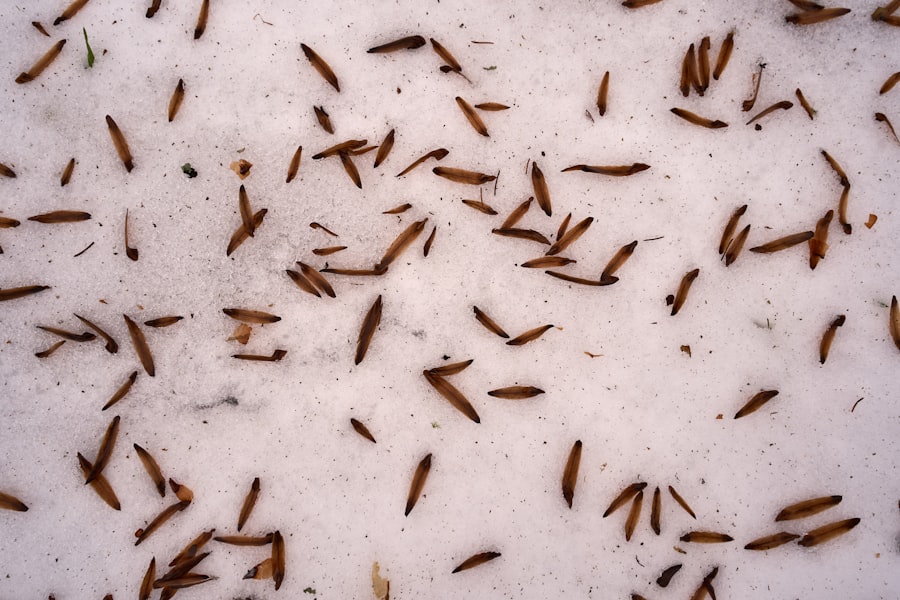
After mating, female swarmers will shed their wings and search for suitable locations to start new colonies. This behavior is also influenced by their need for moisture, as they prefer humid environments. This is why swarming often occurs after rainfall or during warm, humid days.
Moisture Attraction and Home Vulnerability
This preference for moisture makes homes with leaks or high humidity levels particularly attractive to termites. Homes with poor ventilation, water damage, or inadequate drainage systems are more susceptible to termite infestations.
Prevention through Moisture Control
By understanding these behaviors, you can take steps to reduce moisture levels around your property and make it less appealing to these pests. By controlling moisture, you can significantly reduce the risk of termite infestations and protect your home from potential damage.
Risks Associated with Termite Swarmers
The risks associated with termite swarmers extend beyond just their presence; they can indicate a much larger problem lurking within your home. The most significant risk is the potential for structural damage caused by an established colony feeding on wooden structures within your property. Termites can cause extensive damage over time, leading to costly repairs and compromising the integrity of your home.
Additionally, the presence of termite swarmers can signal that your home is at risk for future infestations if left unaddressed. If you notice swarmers inside your home or around your property, it’s crucial to take immediate action to assess the situation and determine if there is an active infestation nearby. Ignoring these signs can lead to more severe consequences down the line.
Steps to Take if You Spot Termite Swarmers
If you spot termite swarmers in or around your home, it’s essential to act quickly to assess the situation. The first step is to carefully observe where you see them; this can help you identify potential entry points or areas where termites may be nesting nearby. Take note of any discarded wings or mud tubes that may indicate an active infestation.
Next, consider contacting a pest control professional who specializes in termite inspections and treatments. They can conduct a thorough examination of your property to determine if there is an active infestation and recommend appropriate treatment options if necessary. Taking swift action can help prevent further damage and ensure that any potential issues are addressed before they escalate.
Prevention Tips to Avoid Termite Infestations
Preventing termite infestations requires proactive measures that focus on reducing conditions conducive to termite activity around your home. One effective strategy is to eliminate sources of moisture by fixing leaks in plumbing or roofing and ensuring proper drainage around your foundation. Termites thrive in damp environments, so keeping your home dry is crucial.
Another important prevention tip is to maintain a barrier between soil and wood structures in your home. This can be achieved by using concrete or metal barriers and ensuring that wooden structures are not in direct contact with soil. Additionally, regularly inspecting your property for signs of termites and addressing any issues promptly can go a long way in preventing infestations before they start.
Professional Termite Inspection and Treatment
When it comes to dealing with potential termite infestations, professional inspection and treatment are often necessary for effective resolution. Pest control experts have the training and tools required to identify signs of termites that may not be visible to the untrained eye. They will conduct a thorough inspection of your property, checking areas such as basements, crawl spaces, and attics where termites are likely to hide.
If an infestation is detected, professionals will recommend treatment options tailored to your specific situation. This may include liquid treatments applied around the foundation or bait systems designed to eliminate colonies over time. Professional treatment not only addresses current infestations but also helps prevent future issues by creating barriers against termites.
Importance of Acting Promptly to Address Termite Swarmers
Acting promptly when you spot termite swarmers is crucial for protecting your home from potential damage. The longer you wait to address the issue, the greater the risk of an established colony causing significant harm to your property’s structure. By taking immediate action—whether through observation or contacting professionals—you can mitigate risks and safeguard your investment.
In conclusion, understanding termite swarmers and their behaviors is essential for any homeowner looking to protect their property from these destructive pests. By being vigilant about identifying signs of infestation and taking proactive measures for prevention and treatment, you can ensure that your home remains safe from termites for years to come.
If you are concerned about a potential termite infestation, it is important to recognize the signs of termite swarmers early on. One helpful resource to learn more about pest control services in your area is this article which highlights the best pest control service in Alexandria, Virginia. By taking proactive measures and seeking professional help, you can prevent further damage to your home and property.
FAQs
What are termite swarmers?
Termite swarmers, also known as alates, are reproductive termites with wings that leave the colony in search of a mate to start a new colony.
How can I recognize termite swarmers?
Termite swarmers are often mistaken for flying ants, but they can be distinguished by their straight antennae, uniform waist, and wings of equal size. They are typically about ½ inch long and have a black or dark brown body.
When do termite swarmers typically emerge?
Termite swarmers typically emerge in the spring, especially after a rain, when they leave their colonies to mate and start new colonies.
What should I do if I see termite swarmers in or around my home?
If you see termite swarmers in or around your home, it is important to contact a professional pest control company to inspect your property for signs of a potential termite infestation.
What are the potential risks of a termite infestation?
A termite infestation can cause significant damage to wooden structures in your home, leading to costly repairs. It is important to address a potential infestation as soon as possible to prevent further damage.