
When you think about pests that can invade your home, termites might not be the first that come to mind. However, these tiny insects can cause significant damage if left unchecked. Termites are social insects that live in colonies, and they primarily feed on cellulose found in wood, paper, and other plant materials.
You may not even realize you have a termite problem until the damage is extensive, as they often work silently behind walls and under floors. Understanding how these pests operate is crucial for any homeowner. Termite infestations can occur in various forms, with the most common being subterranean and drywood termites.
Subterranean termites build their colonies underground and can travel through the soil to reach your home, while drywood termites live within the wood they consume. You might notice signs of an infestation, such as mud tubes on exterior walls or hollow-sounding wood, but often, the first indication is structural damage. Being aware of these signs can help you take action before the situation escalates.
Key Takeaways
- Termite infestations can cause significant damage to homes and are often hard to detect until it’s too late.
- The cost of termite damage can be substantial, with repairs and treatments potentially reaching thousands of dollars.
- Homeowners insurance typically does not cover termite infestations or the damage they cause, as they are considered a preventable issue.
- Homeowners insurance typically covers sudden and accidental damage, such as fire or vandalism, but not gradual damage from pests like termites.
- Additional coverage options for termite damage may be available through specialized insurance policies or riders.
The Cost of Termite Damage
Consequences of Delayed Action
The longer you wait to address a termite problem, the more extensive and costly the damage will become. In addition to repair costs, you should also consider the potential decrease in your home’s value. If you ever decide to sell your property, a history of termite damage can deter potential buyers or lead to lower offers.
The Importance of Prevention
This financial burden can be overwhelming, making it essential to take preventive measures and act quickly if you suspect an infestation.
Protect Your Investment
By taking proactive steps to prevent termite infestations, you can safeguard your home’s value and avoid the financial strain that comes with termite damage.
Homeowners Insurance and Termite Infestations
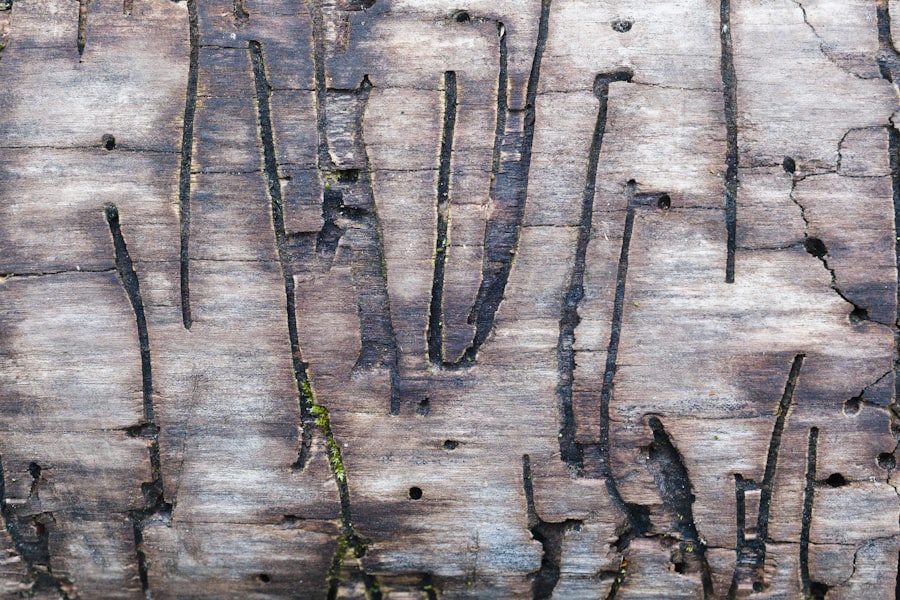
As a homeowner, you might wonder whether your homeowners insurance policy covers termite infestations and the resulting damage. Generally speaking, most standard homeowners insurance policies do not cover damage caused by termites. This exclusion is primarily because termite infestations are considered preventable through regular maintenance and inspections.
Therefore, it’s crucial to understand your policy’s specifics and what it entails regarding pest-related issues. While your homeowners insurance may not cover termite damage directly, it’s still important to review your policy thoroughly. Some policies may offer limited coverage for certain types of pest damage or provide additional options for riders that can be added to your existing policy.
Understanding these nuances can help you make informed decisions about protecting your home from potential infestations.
What Does Homeowners Insurance Typically Cover?
Homeowners insurance is designed to protect you from various risks associated with property ownership. Typically, it covers damages caused by fire, theft, vandalism, and certain natural disasters like storms or floods. If a tree falls on your house during a storm or if a fire damages your living room, your homeowners insurance would likely cover those repairs.
However, it’s essential to remember that each policy is unique, and coverage can vary significantly from one insurer to another. In addition to structural damage, homeowners insurance often covers personal property within your home. This means that if your belongings are damaged or stolen due to a covered event, you may be able to file a claim for reimbursement.
However, as previously mentioned, termite damage usually falls outside this coverage scope, making it vital for you to take proactive steps in safeguarding your home against these pests.
What Does Homeowners Insurance Typically Exclude?
While homeowners insurance provides valuable protection, it also comes with several exclusions that you should be aware of. One of the most significant exclusions is damage caused by pests like termites. Insurers typically view pest infestations as a maintenance issue rather than an insurable event.
This means that if termites invade your home and cause damage, you will likely be responsible for all repair costs. Other common exclusions in homeowners insurance policies include flood damage, earthquake damage, and wear and tear due to age or neglect. Understanding these exclusions is crucial for you as a homeowner because it allows you to take preventive measures and seek additional coverage options where necessary.
By being proactive about potential risks, you can better protect your investment.
Additional Coverage Options for Termite Damage

Exploring Separate Pest Control Insurance Policies
In addition to endorsements, some companies provide separate pest control insurance policies that specifically cover damages caused by termites and other pests. While this may come with an additional premium, they could save you significant costs in the long run if you ever face an infestation.
Discussing Your Options with Your Insurance Agent
It’s essential to discuss these options with your insurance agent to determine what best fits your needs and budget. By exploring these additional coverage options, you can have peace of mind knowing that your home is protected from termite damage.
Tips for Preventing Termite Infestations
Prevention is key when it comes to protecting your home from termite infestations. One of the most effective strategies is to maintain proper drainage around your property. Ensure that gutters and downspouts direct water away from your foundation, as moisture attracts termites.
Additionally, consider using mulch sparingly in landscaping; while it can enhance curb appeal, it also provides an inviting environment for termites. Regularly inspecting your home for signs of termites is another crucial step in prevention. Look for mud tubes along foundation walls or any signs of wood damage in areas like basements or crawl spaces.
If you notice any suspicious activity or signs of infestation, don’t hesitate to contact a pest control professional for an assessment. Early detection can save you from costly repairs down the line.
The Importance of Regular Inspections
Regular inspections are vital in maintaining a termite-free home. You should schedule annual inspections with a qualified pest control professional who can identify potential issues before they escalate into full-blown infestations. These experts have the training and tools necessary to detect signs of termites that may not be visible to the untrained eye.
In addition to professional inspections, you should also conduct your own routine checks around your property. Look for any signs of moisture accumulation or wood-to-soil contact that could attract termites. By being vigilant and proactive about inspections, you can significantly reduce the risk of an infestation and protect your home from costly damage.
What to Do If You Discover Termite Damage
If you discover termite damage in your home, it’s essential to act quickly to mitigate further issues. First, contact a licensed pest control professional who specializes in termite treatment. They will assess the extent of the infestation and recommend an appropriate course of action, which may include baiting systems or liquid treatments designed to eliminate the colony.
Once the infestation has been addressed, you’ll need to evaluate the extent of the damage caused by the termites. Depending on the severity of the situation, you may need to hire contractors for repairs or replacements of affected structures. Documenting all findings and actions taken will be beneficial if you decide to file an insurance claim or seek additional coverage options.
Working with Your Insurance Company
If you’ve experienced termite damage and are considering filing a claim with your homeowners insurance company, it’s essential to approach this process carefully. Start by reviewing your policy thoroughly to understand what is covered and what is excluded regarding pest-related issues. Gather all documentation related to the infestation and any repairs made or needed.
When contacting your insurance company, be prepared to provide detailed information about the situation, including photographs of the damage and any reports from pest control professionals. While most standard policies do not cover termite damage directly, having thorough documentation can help clarify any misunderstandings and ensure that you’re fully informed about your options moving forward.
Final Thoughts: Protecting Your Home from Termite Damage
Protecting your home from termite damage requires vigilance and proactive measures on your part as a homeowner. Understanding how termites operate and recognizing the signs of an infestation are crucial first steps in safeguarding your property. Regular inspections and maintenance can go a long way in preventing these pests from causing significant harm.
While homeowners insurance typically does not cover termite damage, exploring additional coverage options can provide peace of mind as you protect one of your most significant investments—your home. By staying informed about potential risks and taking preventive actions, you can ensure that your home remains safe from these destructive pests for years to come.
Termite infestations can cause significant damage to homes, leading many homeowners to wonder if their insurance will cover the costs. In a related article from Thrift Pest Control, experts discuss the importance of having a comprehensive pest control service in place to prevent and address termite issues. By investing in regular inspections and treatments, homeowners can avoid costly damage and potential insurance coverage disputes.
FAQs
What are termite infestations?
Termite infestations occur when a colony of termites invades and damages a structure, typically by consuming wood and other cellulose-based materials.
How can termite infestations damage a property?
Termite infestations can cause significant structural damage to a property, including weakening of wooden support beams, floors, and other wooden structures.
Is termite damage covered by homeowners insurance?
In most cases, standard homeowners insurance policies do not cover termite damage. This type of damage is typically considered a maintenance issue and is not covered by insurance.
Are there any insurance policies that cover termite damage?
Some insurance companies offer separate termite damage insurance policies or endorsements that can be added to a homeowners insurance policy for an additional cost. These policies may provide coverage for repairing or replacing damaged structures.
What can homeowners do to protect their property from termite infestations?
Homeowners can take preventive measures to protect their property from termite infestations, such as regular inspections, addressing moisture issues, and treating the property with termite control products.
What should homeowners do if they suspect a termite infestation?
If homeowners suspect a termite infestation, they should contact a licensed pest control professional to conduct an inspection and, if necessary, implement a treatment plan to eliminate the infestation and prevent further damage.