
As a property owner, you may not realize just how significant a threat termites pose to your rental properties. These tiny insects can cause extensive damage, often going unnoticed until it’s too late. Termites feed on cellulose, a component found in wood, paper, and other organic materials.
This means that any wooden structures in your rental properties, from beams and flooring to furniture, are at risk. The financial implications of a termite infestation can be staggering, leading to costly repairs and a potential decrease in property value. Understanding this threat is crucial for maintaining the integrity of your investment.
Moreover, the presence of termites can also affect tenant satisfaction and retention. If tenants discover a termite problem, their trust in you as a landlord may diminish, leading to complaints or even early lease terminations. This not only disrupts your rental income but can also tarnish your reputation in the rental market.
Therefore, being proactive about termite prevention and control is essential for safeguarding both your property and your relationship with tenants.
Key Takeaways
- Termites pose a significant threat to rental properties, causing extensive damage and reducing property value.
- Common signs of termite infestation in rental properties include mud tubes, hollow-sounding wood, and discarded wings.
- Regular inspections by professional pest control companies are crucial for early detection and effective termite control.
- Effective termite control methods for rental properties include baiting systems, liquid termiticides, and physical barriers.
- Working with professional pest control companies is essential for thorough termite control and prevention in rental properties.
Identifying Signs of Termite Infestation in Rental Properties
Recognizing the signs of termite infestation is vital for early intervention. As a property owner, you should be vigilant for specific indicators that suggest these pests may have taken up residence in your rental properties. One of the most common signs is the presence of mud tubes, which termites construct to travel between their nests and food sources.
These tubes are typically found along walls or foundations and can be a clear signal that termites are nearby. Another sign to watch for is damaged wood. If you notice hollow-sounding wood or wood that crumbles easily when you tap it, this could indicate termite activity.
Additionally, discarded wings from swarmers—reproductive termites—can often be found near windowsills or light fixtures during certain seasons. By familiarizing yourself with these signs, you can take prompt action to address any potential infestations before they escalate into more significant problems.
Importance of Regular Inspections for Termite Control
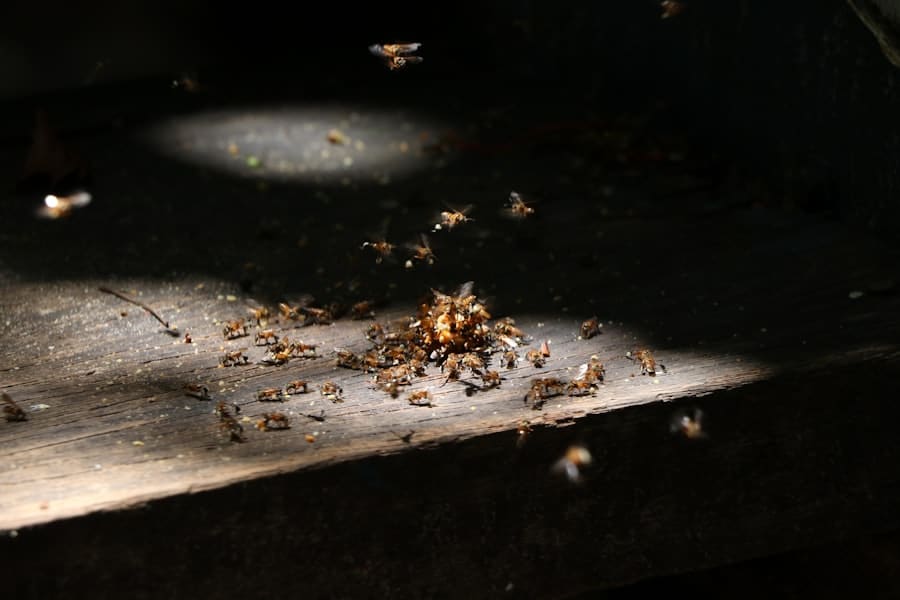
Regular inspections are a cornerstone of effective termite control in rental properties. By scheduling routine checks, you can catch any signs of infestation early on, minimizing damage and repair costs. These inspections should ideally be conducted at least once a year, but more frequent checks may be necessary in areas known for high termite activity.
During these inspections, you should look for signs such as mud tubes, damaged wood, and any other indicators of termite presence. In addition to protecting your property, regular inspections also demonstrate to your tenants that you are committed to maintaining a safe and healthy living environment. This proactive approach can enhance tenant satisfaction and encourage them to report any concerns they may have about potential pest issues.
Ultimately, investing time and resources into regular inspections can save you money in the long run by preventing extensive damage caused by termites.
Effective Termite Control Methods for Rental Properties
When it comes to controlling termites in your rental properties, several effective methods can be employed. One common approach is the use of baiting systems, which involve placing bait stations around the property that attract termites. Once the termites consume the bait, they carry it back to their colony, effectively eliminating the entire population over time.
This method is particularly useful because it targets the source of the infestation rather than just treating the symptoms. Another effective method is liquid termiticides, which can be applied around the foundation of your property to create a barrier that prevents termites from entering. This chemical treatment can be particularly beneficial for properties that are at high risk due to their location or construction materials.
Regardless of the method you choose, it’s essential to consult with pest control professionals who can recommend the best approach based on your specific situation.
Working with Professional Pest Control Companies for Termite Control
Collaborating with professional pest control companies is crucial for effective termite management in your rental properties. These experts possess the knowledge and experience necessary to identify infestations accurately and implement appropriate control measures. When selecting a pest control company, look for one with a solid reputation and positive reviews from other property owners.
A reliable company will conduct thorough inspections and provide you with a detailed plan tailored to your property’s needs. Additionally, professional pest control services often offer ongoing maintenance plans that include regular inspections and treatments. This proactive approach ensures that any potential infestations are addressed promptly, reducing the risk of significant damage over time.
By working with professionals, you not only protect your investment but also provide peace of mind for your tenants.
Educating Tenants on Termite Prevention and Reporting

Educating your tenants about termite prevention is an essential aspect of maintaining a pest-free rental property. By informing them about the signs of termite activity and encouraging them to report any concerns promptly, you can create a collaborative approach to pest management. Consider providing informational materials during lease signings or hosting an orientation session where you discuss common pests and prevention strategies.
Encourage tenants to keep an eye out for signs such as mud tubes or damaged wood and remind them to report any issues immediately. Additionally, educating them about proper maintenance practices—such as keeping gutters clean and ensuring proper drainage—can help minimize conditions that attract termites. By fostering open communication about pest management, you empower your tenants to take an active role in protecting their living environment.
Implementing Preventative Measures for Termite Control in Rental Properties
Preventative measures are key to safeguarding your rental properties from termite infestations. One effective strategy is to ensure proper landscaping around your property. Keep mulch and wood piles away from the foundation, as these can attract termites.
Additionally, ensure that any wooden structures—such as decks or fences—are treated with protective coatings to deter pests. Another important preventative measure is maintaining proper ventilation in crawl spaces and basements. Moisture attracts termites, so ensuring adequate airflow can help keep these areas dry and less appealing to pests.
Regularly inspecting and repairing any leaks in plumbing or roofing will also contribute to a less hospitable environment for termites. By implementing these preventative measures, you significantly reduce the likelihood of an infestation occurring in the first place.
Addressing Termite Infestations in Rental Properties: Responsibilities and Procedures
When dealing with termite infestations in rental properties, it’s essential to establish clear responsibilities and procedures for addressing the issue. As a landlord, it is typically your responsibility to manage pest control efforts and ensure that your property remains habitable for tenants. This includes promptly addressing any reports of termite activity and coordinating necessary treatments with pest control professionals.
It’s also important to communicate openly with your tenants throughout the process. Inform them about the steps you are taking to address the infestation and provide updates on treatment schedules. This transparency helps build trust and reassures tenants that their living environment is being prioritized.
By establishing clear procedures for addressing infestations, you can effectively manage the situation while maintaining positive relationships with your tenants.
Considering Termite Control in Property Maintenance Budgets
Incorporating termite control into your property maintenance budget is a wise decision that can save you money in the long run. Allocating funds for regular inspections and preventative treatments ensures that you are proactively managing potential infestations rather than reacting to them after damage has occurred. By budgeting for these expenses, you demonstrate a commitment to maintaining your property’s value and protecting your investment.
Additionally, consider setting aside funds specifically for emergency pest control services in case an infestation does occur despite preventative measures. This financial preparedness allows you to address issues quickly without straining your overall budget. By prioritizing termite control within your maintenance budget, you position yourself for long-term success as a rental property owner.
Insurance Coverage for Termite Damage in Rental Properties
Understanding insurance coverage for termite damage is crucial for rental property owners like yourself. Many standard homeowner’s insurance policies do not cover damage caused by pests such as termites, so it’s essential to review your policy carefully. Consider speaking with your insurance agent about adding specific coverage for pest-related damages or exploring specialized policies designed for rental properties.
Having adequate insurance coverage can provide peace of mind knowing that you are protected against potential financial losses due to termite infestations. Additionally, maintaining thorough records of inspections and treatments can help support any claims you may need to file in the event of damage caused by termites. By being proactive about insurance coverage, you safeguard both your investment and your financial future.
Long-Term Strategies for Termite Control in Rental Investments
Developing long-term strategies for termite control is essential for ensuring the sustainability of your rental investments. One effective approach is to establish a comprehensive pest management plan that includes regular inspections, preventative treatments, and tenant education initiatives. This plan should be revisited annually to adapt to changing conditions or new information about pest management techniques.
Additionally, consider investing in technology that aids in monitoring termite activity around your properties. For example, moisture sensors can alert you to conditions conducive to termite infestations before they become problematic. By adopting a proactive mindset toward termite control and continuously seeking innovative solutions, you position yourself as a responsible landlord committed to protecting both your properties and your tenants’ well-being.
In conclusion, understanding the threat of termites and implementing effective control measures is vital for maintaining rental properties successfully. By staying informed about signs of infestation, conducting regular inspections, working with professionals, educating tenants, budgeting appropriately, ensuring insurance coverage, and developing long-term strategies, you can protect your investment from these destructive pests while fostering positive relationships with your tenants.
Property managers looking to protect their rental investments from termite damage should also be aware of the surprising connection between pests and allergies. According to a recent article on Thrifty Pest Control, pests like cockroaches and rodents can trigger allergic reactions in some individuals, leading to health issues for tenants. By implementing effective pest control measures, property managers can not only prevent structural damage from termites but also create a healthier living environment for their tenants.
FAQs
What is termite control?
Termite control refers to the methods and techniques used to prevent, manage, and eliminate termite infestations in buildings and structures. This can include both preventative measures and treatment options for existing termite problems.
Why is termite control important for property managers?
Termite infestations can cause significant damage to rental properties, leading to costly repairs and potential loss of rental income. Property managers have a responsibility to protect their rental investments and ensure the safety and well-being of their tenants, making termite control an important aspect of property management.
What are some common termite control methods for property managers?
Common termite control methods for property managers include regular inspections for early detection, implementing preventative measures such as moisture control and barrier treatments, and using chemical or non-chemical treatments to eliminate existing termite infestations.
How can property managers prevent termite infestations in rental properties?
Property managers can prevent termite infestations by maintaining proper drainage and ventilation, addressing any moisture issues, keeping wood and soil away from the foundation, and scheduling regular termite inspections by professional pest control companies.
What are the signs of a termite infestation in a rental property?
Signs of a termite infestation in a rental property can include the presence of mud tubes, discarded termite wings, hollow-sounding wood, and visible damage to wooden structures. Tenants may also report the presence of swarming termites or the sound of tapping or rustling within walls.
How often should property managers schedule termite inspections for rental properties?
Property managers should schedule termite inspections for rental properties at least once a year, and more frequently in areas with a high risk of termite activity. Additionally, inspections should be conducted whenever there are signs of a potential termite infestation.