
As a homeowner of a historic property, you may find yourself in a constant battle against the unseen enemy: termites. These tiny insects can wreak havoc on the structural integrity of your beloved home, which often holds significant historical and sentimental value. Termites thrive in environments rich in cellulose, which is found in wood, paper, and other organic materials.
Unfortunately, many historic homes are constructed from wood that has been aged and weathered, making them particularly susceptible to infestations. The damage caused by termites can be extensive, leading to costly repairs and potentially compromising the safety of your home. The impact of termites extends beyond mere structural damage; it can also affect the aesthetic and historical significance of your property.
When termites invade, they often leave behind a trail of destruction that can alter the original design and craftsmanship of your home. This is especially concerning for historic homes, where every detail contributes to the overall character and charm. As you navigate the challenges of maintaining your property, understanding the threat posed by termites is crucial in preserving its integrity for future generations.
Key Takeaways
- Termite infestations can have a significant impact on the structural integrity and historical value of historic homes.
- Common signs of termite infestations in historic homes include mud tubes, hollow-sounding wood, and discarded termite wings.
- Termite control in historic homes is particularly challenging due to the need to preserve original materials and construction methods.
- Balancing termite control with historic preservation requires careful consideration of the potential impact of treatment methods on the home’s historical integrity.
- Collaborating with experienced pest control specialists and historic preservation organizations is essential for effective and sensitive termite control in historic homes.
Identifying the Signs: How to Detect Termite Infestations in Historic Homes
Detecting a termite infestation early can save you from extensive damage and costly repairs. As a homeowner, you should be vigilant and aware of the signs that indicate a potential problem. One of the most common indicators is the presence of mud tubes, which termites construct to travel between their nests and food sources.
These tubes are typically found along foundation walls or in crawl spaces, and they resemble small, pencil-sized tunnels made from soil and wood particles. If you notice these structures, it’s essential to act quickly to assess the situation. Another sign to watch for is the presence of discarded wings.
Termites swarm during certain seasons, and after mating, they shed their wings. Finding these wings near windowsills or doorways can be a clear indication that termites are nearby. Additionally, you may notice hollow-sounding wood when you tap on beams or floorboards.
This sound can indicate that termites have been busy feasting on the wood within your home. By being proactive and recognizing these signs early on, you can take steps to address the issue before it escalates.
Unique Challenges: Why Termite Control is Particularly Difficult in Historic Homes
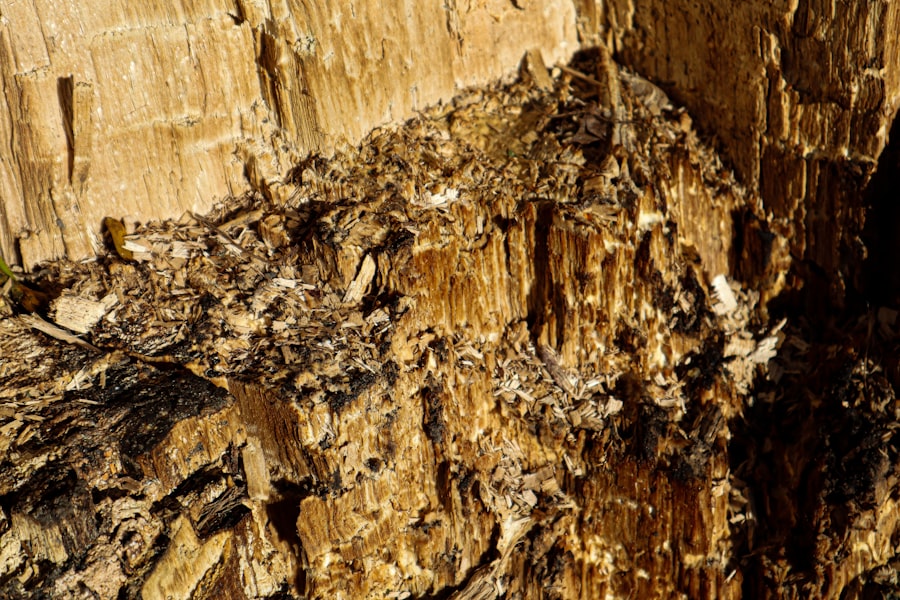
Termite control in historic homes presents unique challenges that require careful consideration and specialized approaches. One of the primary difficulties lies in the materials used in these older structures. Many historic homes feature original woodwork, which may be irreplaceable or difficult to replicate.
This means that traditional pest control methods, which often involve chemical treatments or extensive structural modifications, may not be suitable for your property. You must balance effective termite control with the need to preserve the authenticity of your home. Additionally, historic homes often have complex architectural features that can create hidden spaces where termites can thrive undetected.
These nooks and crannies may be challenging to access for treatment, making it difficult to ensure comprehensive pest control. Furthermore, many historic homes are located in areas with high humidity or moisture levels, which can exacerbate termite problems. As a homeowner, you must navigate these challenges with care, seeking solutions that protect both your home and its historical significance.
Preserving the Past: Balancing Termite Control with Historic Preservation
As you consider termite control options for your historic home, it’s essential to strike a balance between effective pest management and preserving the unique character of your property. This often requires collaboration with preservationists who understand the importance of maintaining historical integrity while addressing modern pest issues. You may find that some conventional treatments could compromise original materials or architectural features, so exploring alternative methods becomes crucial.
One approach is to focus on integrated pest management (IPM), which emphasizes prevention and monitoring rather than solely relying on chemical treatments. By implementing IPM strategies, you can minimize the risk of infestations while preserving the historical aspects of your home. This might include improving drainage around your property to reduce moisture levels or using physical barriers to deter termites without damaging original structures.
By prioritizing preservation alongside pest control, you can ensure that your historic home remains a cherished part of your community’s heritage.
Traditional Treatments: Examining the Effectiveness of Conventional Termite Control Methods
When faced with a termite infestation, many homeowners instinctively turn to traditional treatments such as chemical pesticides or fumigation. While these methods can be effective in eliminating termites, they often come with drawbacks that may not align with your goals as a historic homeowner. Chemical treatments can pose risks to both human health and the environment, particularly if they seep into surrounding soil or water sources.
Additionally, some treatments may damage original woodwork or other materials that contribute to your home’s historical value. It’s important to weigh the pros and cons of conventional methods before making a decision. While they may provide immediate relief from an infestation, they do not address underlying issues that could lead to future problems.
For instance, if moisture levels remain high or if there are structural vulnerabilities, termites may return even after treatment. As you consider your options, it’s wise to consult with pest control professionals who specialize in historic homes to determine the best course of action for your specific situation.
Modern Solutions: Exploring Innovative Approaches to Termite Control in Historic Homes

Effective and Environmentally Friendly Baiting Systems
In recent years, innovative approaches to termite control have emerged that prioritize both effectiveness and preservation. One such method is the use of baiting systems that target termites without relying on harmful chemicals. These systems involve placing bait stations around your property that contain substances designed to attract termites. Once consumed, these substances disrupt the insects’ growth and reproduction cycles, ultimately leading to their elimination. This approach minimizes the risk of damage to your home’s original materials while effectively addressing infestations.
Natural Predators and Biological Controls
Another modern solution involves utilizing natural predators or biological controls to manage termite populations. For example, nematodes—microscopic worms—can be introduced into infested areas to seek out and kill termites without harming other beneficial organisms in your garden or home environment.
Preserving Your Historic Property
By exploring these innovative methods, you can find solutions that align with your commitment to preserving your historic property while effectively managing termite threats.
Working with Professionals: The Importance of Hiring Experienced Pest Control Specialists
When it comes to termite control in historic homes, enlisting the help of experienced pest control specialists is essential. These professionals possess specialized knowledge about both pest management techniques and preservation practices that are crucial for protecting your property’s integrity. They can conduct thorough inspections to identify potential vulnerabilities and recommend tailored solutions that address your specific needs.
Moreover, working with professionals ensures that you have access to the latest advancements in pest control technology and methods. They can guide you through the complexities of treatment options while considering factors such as environmental impact and historical significance. By partnering with experts who understand the unique challenges associated with historic homes, you can feel confident that you are making informed decisions that prioritize both pest management and preservation.
Environmental Considerations: Choosing Termite Control Methods that are Safe for Historic Homes
As a conscientious homeowner, you likely want to ensure that any termite control methods you choose are environmentally friendly and safe for both your family and your historic property. Many traditional treatments involve harsh chemicals that can pose risks not only to human health but also to surrounding ecosystems. Therefore, it’s essential to explore alternatives that minimize environmental impact while effectively managing termite populations.
One option is to consider organic or eco-friendly treatments that utilize natural ingredients known for their pest-repelling properties. For instance, diatomaceous earth—a natural powder made from fossilized algae—can be an effective barrier against termites without posing risks associated with synthetic chemicals. Additionally, focusing on preventative measures such as improving ventilation and reducing moisture levels can create an inhospitable environment for termites without resorting to harmful treatments.
Preventative Measures: Strategies for Minimizing the Risk of Future Termite Infestations
Preventing future termite infestations is key to maintaining the integrity of your historic home over time. As a proactive homeowner, there are several strategies you can implement to minimize risk effectively. First and foremost, regular inspections are crucial; scheduling annual check-ups with pest control professionals will help identify any potential issues before they escalate into full-blown infestations.
Additionally, consider making modifications around your property that deter termites from gaining access. This might include ensuring proper drainage away from your foundation, sealing cracks or gaps in walls and foundations, and keeping firewood or mulch away from direct contact with your home’s structure. By taking these preventative measures seriously, you can significantly reduce the likelihood of future infestations while preserving the beauty and history of your cherished home.
Collaborating with Historic Preservation Organizations: Leveraging Resources for Termite Control
Collaborating with local historic preservation organizations can provide valuable resources and support as you navigate termite control challenges in your historic home. These organizations often have access to expertise in both pest management and preservation techniques tailored specifically for older properties like yours. They may offer workshops or educational materials on best practices for maintaining historic homes while addressing pest issues.
Furthermore, partnering with preservation organizations can connect you with other homeowners facing similar challenges, allowing for shared experiences and solutions. By leveraging these resources, you can enhance your understanding of termite control options while ensuring that your efforts align with broader preservation goals within your community.
Long-Term Maintenance: Establishing a Plan for Ongoing Termite Control in Historic Homes
Establishing a long-term maintenance plan for termite control is essential for safeguarding your historic home against future infestations. This plan should include regular inspections by pest control professionals who specialize in historic properties as well as ongoing monitoring for signs of termite activity throughout the year. In addition to professional inspections, consider implementing a routine maintenance schedule that includes preventative measures such as moisture control and structural repairs as needed.
By staying proactive about termite management and prioritizing regular upkeep of your home’s integrity, you can ensure that it remains a cherished part of history for generations to come. In conclusion, navigating termite control in historic homes requires a thoughtful approach that balances effective pest management with preservation efforts. By understanding the threats posed by termites, identifying signs of infestations early on, collaborating with professionals and organizations dedicated to preservation, and implementing preventative measures, you can protect both your home’s structural integrity and its historical significance for years ahead.
If you are looking for the best pest control service in Greensboro, North Carolina, look no further than Thrift Pest Control. Their expertise in handling various pest infestations can help safeguard your home from creepy crawlies. In addition to tackling termite control in historic homes, it is essential to have a reliable pest control service on hand to address any potential issues that may arise.
FAQs
What are the challenges of termite control in historic homes?
Historic homes often have unique architectural features and building materials that can make termite control more challenging. Additionally, the age and condition of the home may make it more susceptible to termite infestations.
What are the potential risks of termite infestations in historic homes?
Termite infestations can cause significant damage to the structural integrity of historic homes, potentially compromising their historical value and requiring costly repairs.
What are some solutions for termite control in historic homes?
Some solutions for termite control in historic homes include regular inspections, using termite-resistant building materials, and implementing preventative measures such as maintaining proper ventilation and moisture control.
Are there any specific regulations or considerations for termite control in historic homes?
In some cases, there may be specific regulations or considerations for termite control in historic homes, especially if the home is designated as a historic landmark. It’s important to consult with local historic preservation authorities and pest control professionals familiar with historic homes.