
When you think about household pests, termites might not be the first that come to mind. However, these tiny insects pose a significant threat to your home and property. Termites are often referred to as “silent destroyers” because they can chew through wood, flooring, and even wallpaper without you noticing until the damage is extensive.
They thrive in warm, moist environments and can be found in various regions, making them a widespread concern for homeowners. Understanding the termite threat is crucial for protecting your investment and ensuring the safety of your living space. Termites primarily feed on cellulose, a component found in wood and plant materials.
This means that any wooden structure in your home, from beams to furniture, can become a target. There are several species of termites, but the most common ones include subterranean, drywood, and dampwood termites. Each type has its own habits and preferred environments, which can influence how you approach prevention and treatment.
By familiarizing yourself with these pests, you can take proactive measures to safeguard your home against potential infestations.
Key Takeaways
- Termite infestations can cause significant damage to homes and structures, making it important to understand the threat they pose.
- Signs of termite infestation include hollow-sounding wood, discarded wings, and mud tubes, among others.
- Not treating termites can lead to costly structural damage and decreased property value.
- Tenting is an effective treatment option for severe termite infestations, but there are other treatment options available as well.
- The cost of tenting can vary depending on the size of the property and the severity of the infestation, so it’s important to consider this when making a decision.
Signs of Termite Infestation
Recognizing the signs of a termite infestation early can save you from extensive damage and costly repairs. One of the most common indicators is the presence of mud tubes, which are small tunnels made of soil and saliva that termites use to travel between their nests and food sources. These tubes are often found along foundation walls or in crawl spaces.
If you notice these structures, it’s a clear sign that termites are nearby and that immediate action is necessary. Another telltale sign is the presence of discarded wings. After swarming, reproductive termites shed their wings, leaving them scattered around windowsills or near light sources.
Additionally, you may notice hollow-sounding wood when you tap on it or find small holes in wooden surfaces. These signs indicate that termites have been actively feeding on the wood, compromising its integrity. Being vigilant about these indicators can help you catch an infestation early and take appropriate measures to address it.
The Risks of Not Treating Termites
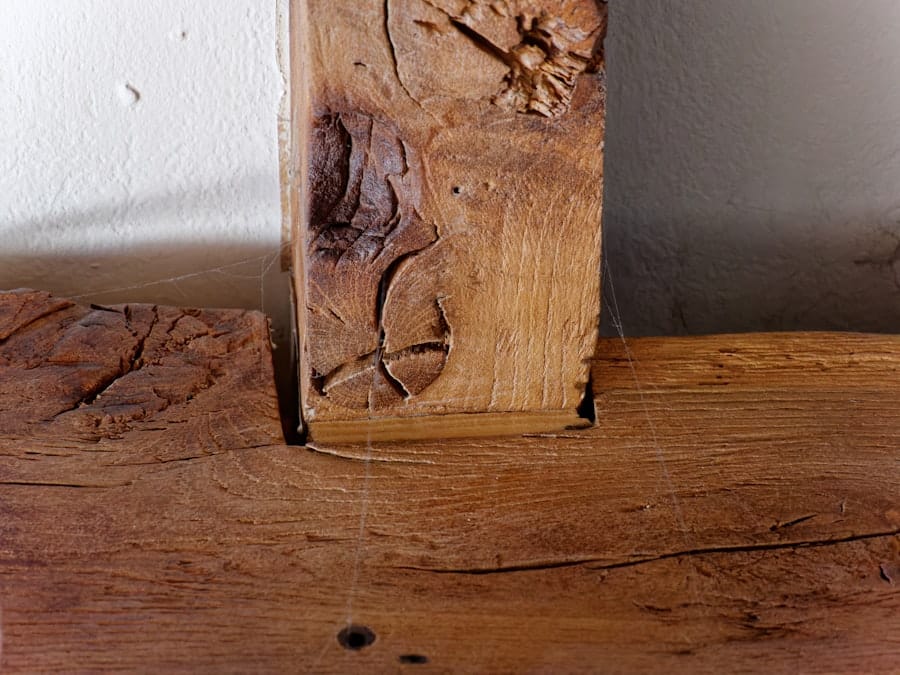
Ignoring a termite infestation can lead to severe consequences for your home and finances. One of the most significant risks is structural damage. Termites can weaken wooden structures over time, leading to sagging floors, warped walls, and even collapse in extreme cases.
This not only poses a safety hazard but can also significantly decrease your property’s value. If you plan to sell your home in the future, potential buyers may be deterred by the presence of termites or the damage they have caused. In addition to structural concerns, untreated termite infestations can lead to costly repairs.
The longer you wait to address the problem, the more extensive the damage will become. Repairing or replacing damaged wood can be expensive, and in some cases, it may require extensive renovations. Furthermore, many homeowners’ insurance policies do not cover termite damage, leaving you to foot the bill entirely.
By taking action at the first sign of an infestation, you can avoid these risks and protect your investment.
When it comes to treating a termite infestation, you have several options available, with tenting being one of the most effective methods for severe cases. Tenting involves covering your entire home with a large tent and then introducing a gas that penetrates all areas of the structure, effectively eliminating termites in every nook and cranny. This method is particularly useful for drywood termites that may be hidden deep within wooden structures.
While tenting is highly effective, it’s not the only option available to you. Other treatments include localized treatments with liquid insecticides or bait systems that target specific areas where termites are active. These methods can be less invasive and may be suitable for minor infestations.
However, they often require ongoing monitoring and may not provide a long-term solution if the infestation is widespread. Evaluating your specific situation with a pest control professional can help you determine which method is best suited for your needs.
Cost Considerations for Tenting
The cost of tenting your home for termites can vary significantly based on several factors, including the size of your home, the severity of the infestation, and your geographical location. On average, homeowners can expect to pay anywhere from $1,500 to $3,000 for tenting services. While this may seem like a substantial investment upfront, consider it a necessary expense to protect your home from further damage.
It’s also important to factor in potential costs associated with repairs if you choose not to treat the infestation effectively. The longer you wait to address termite issues, the more extensive the damage will become, leading to higher repair bills down the line. Additionally, some pest control companies offer financing options or payment plans to help make tenting more affordable for homeowners.
Weighing these costs against the potential risks of untreated infestations can help you make an informed decision.
Preparation for Tenting
Clear the Perimeter
Before the tenting process begins, it is essential to remove all plants and furniture from around the perimeter of your home. This includes garden decorations and any other items that could obstruct access to your home’s foundation.
Prepare the InteriorFollow the Checklist
Your pest control company will provide you with a detailed checklist of preparations to follow before tenting begins. Be sure to adhere closely to their guidelines for optimal results.
The Tenting Process
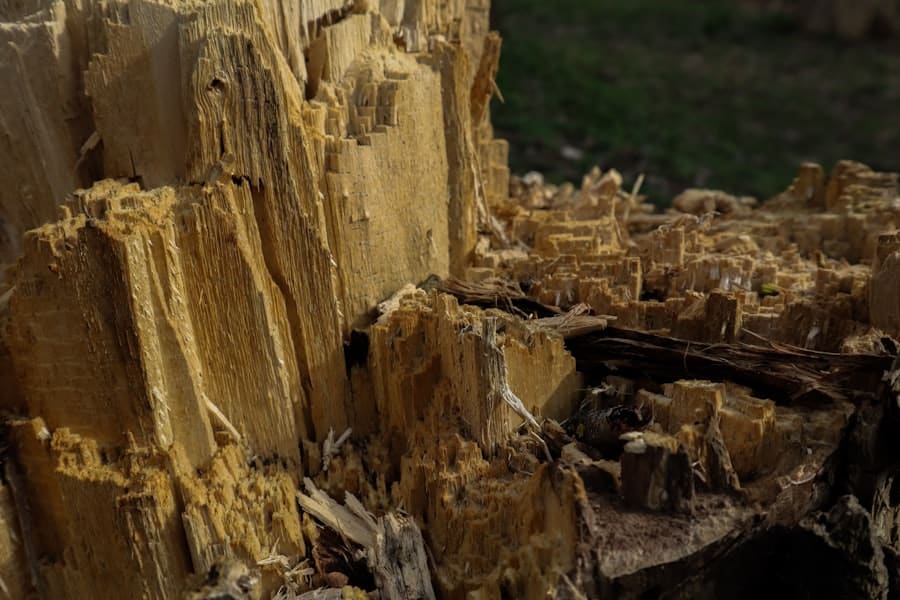
The actual tenting process typically takes one to three days, depending on the size of your home and the severity of the infestation. Once everything is prepared, pest control professionals will arrive to set up large tarps or tents over your home. They will then introduce a fumigant gas that penetrates all areas of your house, including walls and hidden spaces where termites may be lurking.
During this time, it’s essential for you and your family to vacate the premises entirely. The fumigant used during tenting is toxic and requires strict safety protocols to ensure everyone’s well-being. Your pest control company will provide specific instructions regarding when it’s safe to return home after treatment is complete.
Following these guidelines is crucial for ensuring a safe and effective treatment process.
Safety Concerns with Tenting
Safety is a top priority during the tenting process, both for homeowners and pest control professionals. The fumigant used in tenting is highly effective at eliminating termites but can also pose health risks if not handled properly. It’s essential that you follow all safety instructions provided by your pest control company before, during, and after treatment.
Before tenting begins, ensure that all family members and pets are safely relocated away from the property. Additionally, any items that could be affected by fumigation should be removed or sealed appropriately. After treatment is complete, your pest control company will conduct air quality tests to ensure that it’s safe for you to return home.
Only re-enter your property once they have confirmed that all levels are safe.
Environmental Impact of Tenting
While tenting is an effective method for eradicating termites, it’s essential to consider its environmental impact as well. The fumigants used during this process can have harmful effects on non-target organisms if not managed correctly. However, modern pest control companies are increasingly adopting eco-friendly practices and using less toxic alternatives that minimize environmental harm.
Additionally, many companies are committed to sustainable practices by ensuring that their methods do not adversely affect surrounding ecosystems or wildlife habitats. If environmental concerns are important to you, don’t hesitate to discuss them with your pest control provider before treatment begins. They can provide information on their practices and any eco-friendly options available.
Post-Tenting Considerations
After tenting has been completed and you’ve returned home safely, there are several post-treatment considerations to keep in mind. First and foremost, it’s essential to monitor your property for any signs of re-infestation in the months following treatment. While tenting is highly effective at eliminating existing termites, it does not prevent new colonies from establishing themselves if conditions are favorable.
You should also consider implementing preventive measures to reduce the risk of future infestations. This may include regular inspections by pest control professionals or making modifications around your property to eliminate moisture sources that attract termites. By staying vigilant and proactive after treatment, you can help protect your home from future termite threats.
Hiring a Professional for Tenting
When dealing with a termite infestation, hiring a professional pest control company is often the best course of action. These experts have the knowledge and experience necessary to assess the severity of an infestation accurately and recommend appropriate treatment options tailored to your specific situation. Attempting DIY solutions may lead to ineffective results or even exacerbate the problem.
When selecting a pest control company for tenting services, be sure to research their reputation and credentials thoroughly. Look for reviews from previous customers and inquire about their experience with termite treatments specifically. A reputable company will provide transparent pricing information and detailed explanations of their processes so that you feel confident in your decision.
In conclusion, understanding termites and their potential impact on your home is crucial for every homeowner. By recognizing signs of infestation early on and taking appropriate action—whether through tenting or other treatment options—you can protect your property from significant damage and financial loss. Remember that hiring professionals ensures effective treatment while prioritizing safety throughout the process.
If you are considering tenting your house for termites, you may also want to read about the best pest control services in Gilbert, Arizona. According to Thrifty Pest Control, they offer top-notch services to help homeowners deal with various pest infestations, including termites. It is always important to consult with professionals to determine the best course of action for your specific situation. Additionally, if you are located in Garland, Texas or North Las Vegas, Nevada, you may want to explore the best pest control services in those areas as well.
FAQs
What is tenting for termites?
Tenting, also known as fumigation, is a method used to eliminate a severe termite infestation in a structure. The process involves covering the entire building with a large tent and then releasing a fumigant gas to penetrate the structure and kill the termites.
When should I consider tenting my house for termites?
Tenting is typically recommended when a termite infestation is widespread and difficult to control with other methods such as localized treatments or baits. It is also used when drywood termites are present, as they can infest multiple areas of a structure.
How effective is tenting for termites?
Tenting is highly effective at eliminating termites within the structure. The fumigant gas can penetrate into areas that may be difficult to reach with other treatment methods, ensuring thorough eradication of the termite infestation.
Are there any risks or drawbacks to tenting my house for termites?
Tenting involves the use of toxic fumigant gases, which can pose health risks to humans and pets if not handled properly. Additionally, the process requires the occupants to vacate the premises for a period of time, typically 2-3 days, which can be an inconvenience.
How long does the tenting process take?
The tenting process typically takes 2-3 days to complete. This includes the time required for the fumigant gas to penetrate the structure and then dissipate to safe levels before re-entry is allowed.
Is tenting the only option for treating a termite infestation?
Tenting is not the only option for treating a termite infestation. There are other methods such as localized treatments, bait systems, and liquid termiticides that may be effective for smaller or localized infestations. It is best to consult with a professional pest control company to determine the most appropriate treatment method for your specific situation.