
When you think about pest control, the first images that may come to mind are harsh chemicals and toxic sprays. However, organic pest control offers a refreshing alternative that aligns with a more sustainable and environmentally friendly approach. At its core, organic pest control focuses on using natural methods to manage pests without the reliance on synthetic chemicals.
This approach not only protects your plants but also safeguards the surrounding ecosystem, including beneficial insects, soil health, and water quality. You might wonder how organic pest control works in practice. It involves a combination of prevention, monitoring, and intervention strategies that prioritize natural solutions.
By understanding the life cycles of pests and their natural enemies, you can create an environment that discourages infestations while promoting biodiversity. This holistic approach not only addresses the immediate problem of pests but also fosters a healthier garden ecosystem in the long run.
Key Takeaways
- Organic pest control focuses on using natural methods to manage and prevent pest infestations without the use of synthetic chemicals.
- Using organic pest control methods can help protect the environment, human health, and beneficial insects.
- Common organic pest control techniques include using physical barriers, traps, and beneficial insects to manage pests.
- Natural predators such as ladybugs, lacewings, and birds can be used to control pest populations in a garden.
- Organic pesticides and repellents derived from natural sources such as neem oil, diatomaceous earth, and garlic can be effective in managing pests without harming beneficial insects.
Benefits of Using Organic Pest Control Methods
One of the most compelling reasons to adopt organic pest control methods is the safety they offer. Unlike conventional pesticides, which can pose health risks to humans and pets, organic options are generally considered safer. You can cultivate your garden with peace of mind, knowing that you are minimizing exposure to harmful chemicals.
This is particularly important if you have children or pets who frequently play in your garden. In addition to safety, organic pest control methods contribute to environmental sustainability. By avoiding synthetic chemicals, you help protect local wildlife and pollinators, such as bees and butterflies, which are crucial for maintaining healthy ecosystems.
Furthermore, organic practices often improve soil health and promote biodiversity, creating a more resilient garden that can withstand pest pressures over time. You may find that by embracing organic methods, you not only enhance your garden’s productivity but also contribute positively to the planet.
Common Organic Pest Control Techniques

As you delve into the world of organic pest control, you’ll discover a variety of techniques that can be employed to manage pests effectively. One common method is the use of physical barriers, such as row covers or nets, which can prevent pests from reaching your plants while allowing sunlight and moisture to penetrate. This simple yet effective strategy can significantly reduce pest populations without resorting to chemicals.
Another technique you might consider is the use of traps. Sticky traps or pheromone traps can help monitor and capture pests before they become a larger problem. By regularly checking these traps, you can gain valuable insights into pest activity in your garden and take action before infestations escalate.
Additionally, handpicking larger pests like caterpillars or beetles can be an effective way to keep their numbers in check while minimizing harm to beneficial insects.
Natural Predators for Pest Control
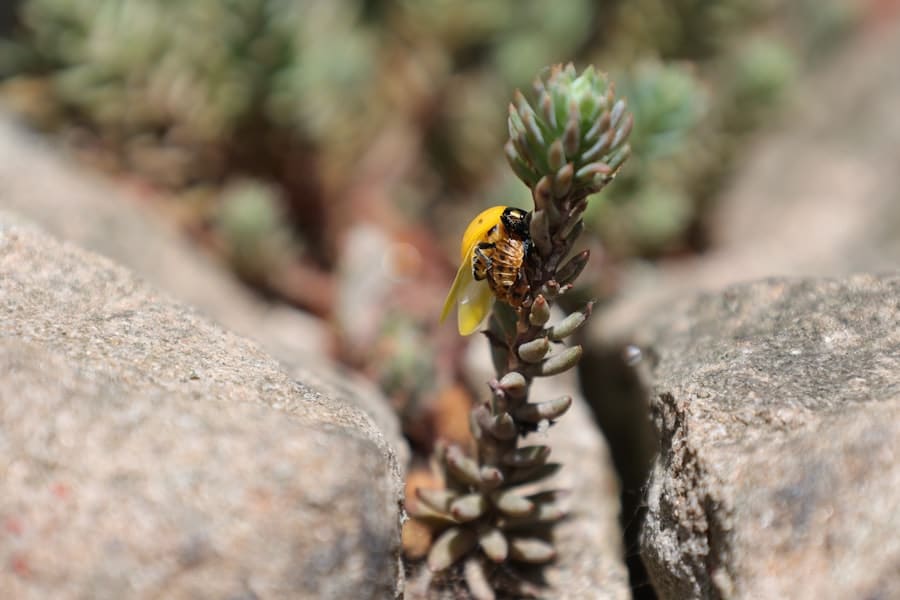
One of the most fascinating aspects of organic pest control is the role of natural predators in maintaining a balanced ecosystem. You may be surprised to learn that many common garden pests have natural enemies that can help keep their populations in check. For instance, ladybugs are well-known for their voracious appetite for aphids, while lacewings target a variety of soft-bodied insects.
By attracting these beneficial insects to your garden, you can create a natural pest control system that requires minimal intervention on your part. To encourage natural predators, consider planting a diverse array of flowers and herbs that provide nectar and pollen. Plants like dill, fennel, and yarrow are particularly attractive to beneficial insects.
You might also want to create habitats for these predators by leaving some areas of your garden undisturbed or incorporating insect hotels. By fostering a welcoming environment for natural predators, you can enhance your garden’s resilience against pest infestations.
Using Organic Pesticides and Repellents
While prevention and natural predators are essential components of organic pest control, there may be times when you need to take more direct action against pests. In such cases, organic pesticides and repellents can be effective tools in your arsenal. These products are derived from natural sources and are designed to target specific pests while minimizing harm to beneficial insects and the environment.
When selecting an organic pesticide, it’s crucial to read labels carefully and choose products that are appropriate for your specific pest problem. Neem oil, for example, is a popular choice for managing a wide range of pests due to its ability to disrupt their life cycles. Similarly, insecticidal soaps can effectively target soft-bodied insects like aphids and spider mites without harming beneficial species.
As you explore these options, remember that timing and application methods are key to achieving the best results.
Implementing Crop Rotation and Companion Planting
Crop rotation and companion planting are two powerful strategies that can enhance your organic pest control efforts while promoting soil health. Crop rotation involves changing the location of specific crops each growing season to disrupt pest life cycles and reduce soil-borne diseases. By rotating crops, you can prevent pests from becoming established in one area and minimize their impact on your garden.
Companion planting is another effective technique that involves growing certain plants together to deter pests or attract beneficial insects. For instance, planting marigolds alongside vegetables can help repel nematodes and other harmful pests. Similarly, interplanting herbs like basil with tomatoes can enhance flavor while also deterring common tomato pests.
By thoughtfully planning your garden layout with these strategies in mind, you can create a more resilient ecosystem that thrives without heavy reliance on chemical interventions.
Managing Pest Infestations with Organic Practices
Even with the best preventive measures in place, pest infestations can still occur from time to time. When faced with an outbreak, it’s essential to remain calm and take a systematic approach to manage the situation organically. Start by identifying the specific pests causing the problem; this will help you determine the most effective course of action.
Once you’ve identified the pests, assess the extent of the infestation. In some cases, simply increasing monitoring efforts or enhancing cultural practices—such as improving air circulation or adjusting watering schedules—can help mitigate the issue. If necessary, consider employing targeted organic treatments like insecticidal soap or neem oil as mentioned earlier.
Remember that patience is key; organic methods may take longer to show results compared to synthetic options, but they ultimately lead to healthier plants and ecosystems.
Tips for Successful Organic Pest Control in Home Gardens
To ensure your organic pest control efforts are successful in your home garden, consider implementing a few key practices. First and foremost, regular monitoring is essential. By keeping a close eye on your plants and checking for signs of pests or damage early on, you can catch potential problems before they escalate into full-blown infestations.
Additionally, maintaining healthy soil is crucial for supporting robust plant growth that can better withstand pest pressures. Incorporate organic matter like compost into your soil to improve its structure and nutrient content. Healthy plants are less susceptible to pests and diseases, making them easier to manage organically.
Lastly, don’t hesitate to seek out resources and community support as you navigate your organic gardening journey. Local gardening clubs or online forums can provide valuable insights and tips from fellow gardeners who share your commitment to sustainable practices. By staying informed and engaged with others who prioritize organic methods, you’ll be better equipped to tackle any challenges that arise in your garden.
In conclusion, embracing organic pest control methods not only benefits your garden but also contributes positively to the environment as a whole. By understanding the principles behind organic practices and implementing various techniques—from attracting natural predators to using organic pesticides—you can create a thriving garden ecosystem that flourishes without harmful chemicals. With patience and dedication, you’ll find that organic gardening is not just a method; it’s a rewarding journey toward sustainability and harmony with nature.
For those interested in exploring effective methods for maintaining a pest-free environment without relying on harsh chemicals, organic pest control offers a sustainable solution. A related article that delves into natural remedies and alternatives to traditional pesticides can be found here: Beyond Pesticides: Natural Remedies for a Pest-Free Home. This resource provides valuable insights into various organic strategies that can help homeowners manage pests while promoting a healthier living space.
FAQs
What is organic pest control?
Organic pest control refers to the use of natural methods and products to manage and eliminate pests in gardens, farms, and homes without the use of synthetic chemicals.
What are some examples of organic pest control methods?
Examples of organic pest control methods include using beneficial insects, such as ladybugs and praying mantises, to control pest populations, using natural predators like birds and bats, and using organic pesticides derived from natural sources like plants and minerals.
What are the benefits of using organic pest control methods?
The benefits of using organic pest control methods include reducing the environmental impact of chemical pesticides, preserving beneficial insects and wildlife, and promoting healthier soil and plants. Additionally, organic pest control methods are often safer for humans and pets.
Are organic pest control methods effective?
Yes, organic pest control methods can be effective in managing and controlling pest populations. However, they may require more frequent applications and a combination of different methods to achieve the desired results compared to chemical pesticides.
Are there any drawbacks to using organic pest control methods?
Some drawbacks of using organic pest control methods include the potential for slower results, the need for more frequent applications, and the possibility of not being as effective as chemical pesticides in certain situations. Additionally, organic pest control methods may require more knowledge and expertise to implement effectively.