
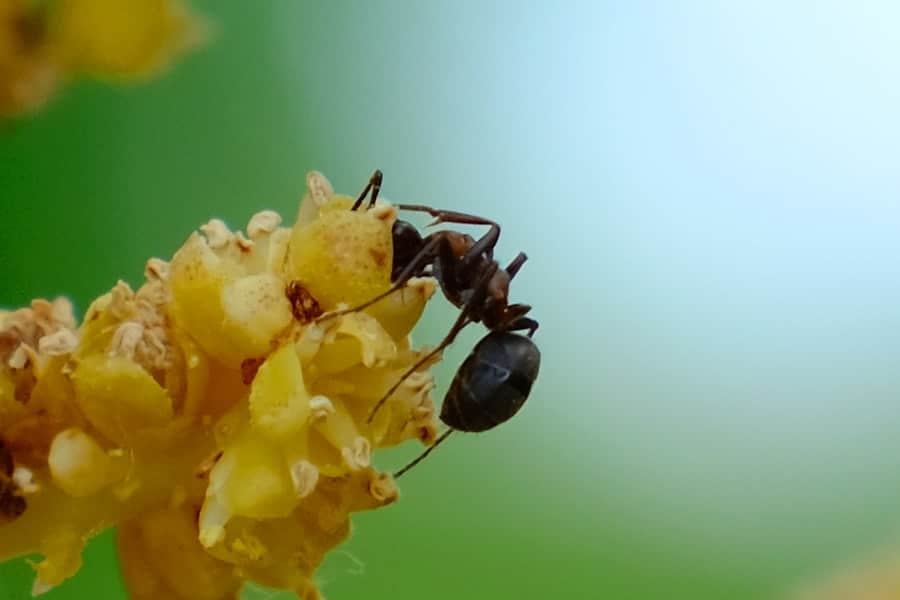
When you find ants invading your space, the first step is to identify the species. Different types of ants exhibit distinct behaviors and preferences, which can significantly influence your approach to managing them. For instance, if you notice small, black ants scurrying around your kitchen, you might be dealing with odorous house ants.
These ants are notorious for their sweet tooth and are often attracted to sugary spills and food remnants. On the other hand, if you encounter larger, reddish-brown ants, you may be facing carpenter ants, which can cause structural damage to your home by nesting in wood. Understanding the behavior of these ants is equally important.
Some species, like fire ants, are aggressive and can deliver painful stings, while others, such as pavement ants, are more benign but can still be a nuisance. Observing their trails can provide insight into their foraging patterns and nesting sites. By taking the time to learn about the specific ant species invading your space, you can tailor your control methods more effectively, ensuring a more successful outcome in your battle against these persistent pests.
Key Takeaways
- Understanding the Ant Problem: Identifying the species and behavior is crucial for effective ant control.
- Natural Remedies: Non-toxic solutions like vinegar, cinnamon, and citrus peels can help in controlling ant infestations.
- Chemical Treatments: Effective insecticides such as boric acid and diatomaceous earth can be used for severe ant infestations.
- Prevention Tips: Keeping food sealed, cleaning up spills, and using natural deterrents can help keep ants away from your picnic area.
- DIY Traps and Baits: Homemade solutions like sugar and borax baits can be effective in controlling ant populations.
Natural Remedies: Non-Toxic Solutions for Ant Control
Vinegar: A Natural Deterrent
One popular natural remedy is vinegar, which disrupts the trails that ants use to navigate. By mixing equal parts of vinegar and water in a spray bottle, you can create a solution that not only cleans surfaces but also deters ants from returning. Spraying this mixture around entry points and along ant trails can help break their communication and discourage them from invading your space.
Diatomaceous Earth: A Non-Toxic Solution
Another effective natural remedy is diatomaceous earth (DE), a fine powder made from fossilized algae. When sprinkled in areas where ants are active, DE can dehydrate and kill them without posing a risk to humans or pets. This non-toxic solution works by damaging the exoskeleton of the ants as they crawl over it. You can apply it in cracks, crevices, and along ant trails for maximum effectiveness.
Peace of Mind with Natural Remedies
These natural remedies not only help control ant populations but also provide peace of mind knowing that you are using safe alternatives in your home. By using natural ant control methods, you can rest assured that you are creating a healthier and safer living space for you and your loved ones.
Chemical Treatments: Effective Insecticides for Ant Infestations
While natural remedies can be effective for minor ant problems, sometimes a more aggressive approach is necessary. Chemical insecticides specifically designed for ant control can provide quick and efficient results when dealing with larger infestations. When selecting an insecticide, look for products that contain active ingredients like fipronil or imidacloprid, which are known for their effectiveness against various ant species.
Always read the label carefully to ensure that the product is suitable for indoor or outdoor use, depending on where you need it. When applying chemical treatments, it’s crucial to follow safety guidelines to protect yourself and your environment. Wear gloves and a mask if necessary, and ensure that pets and children are kept away from treated areas until it is safe to return.
Additionally, consider using bait stations that allow ants to carry the poison back to their colony, effectively targeting the source of the problem rather than just the visible ants. This method can lead to a more comprehensive solution by eliminating not just the workers but also the queen and other members of the colony.
Prevention Tips: How to Keep Ants Away from Your Picnic Area
Preventing ants from invading your picnic area requires a combination of cleanliness and strategic planning. One of the most effective ways to deter ants is by keeping food sealed and stored properly. Use airtight containers for snacks and beverages, and avoid leaving food out in the open for extended periods.
If you’re enjoying a picnic outdoors, consider using picnic blankets with built-in barriers or placing food on elevated surfaces to make it less accessible to ants. Another key prevention tip is to maintain a clean environment around your picnic area. After eating, promptly clean up any crumbs or spills that may attract ants.
Dispose of trash in sealed bags or containers to minimize odors that could lure them in. Additionally, consider creating a barrier around your picnic area by using natural repellents like essential oils or citrus peels, which many ants find unappealing. By taking these proactive measures, you can significantly reduce the likelihood of an ant invasion during your outdoor gatherings.
DIY Traps and Baits: Homemade Solutions for Ant Control
If you’re inclined towards DIY solutions, creating homemade traps and baits can be an effective way to manage ant populations without spending a fortune on commercial products. One simple bait involves mixing equal parts of sugar and borax in water to create a syrupy solution that attracts ants while also being lethal to them. Place this mixture in shallow containers near ant trails or nests, allowing the worker ants to carry it back to their colony.
Another creative DIY trap involves using a jar filled with soapy water as a drowning trap. Simply place a small amount of food at the bottom of the jar to lure ants in; once they enter, they will struggle to escape due to the soapy water’s surface tension. This method is particularly useful for catching small numbers of ants quickly.
By experimenting with different homemade traps and baits, you can find what works best for your specific ant problem while also enjoying the satisfaction of crafting your own solutions.
Professional Pest Control: When to Call in the Experts
While many ant infestations can be managed with DIY methods or over-the-counter products, there are times when calling in professional pest control services is necessary. If you’ve tried various methods without success or if you suspect that you’re dealing with a more serious infestation—such as carpenter ants that could damage your home—it’s wise to seek expert help. Professionals have access to advanced tools and treatments that are not available to the general public, allowing them to tackle even the most stubborn infestations effectively.
Additionally, pest control experts can provide valuable insights into preventing future infestations by identifying potential entry points and offering tailored advice based on your specific situation. They can also conduct thorough inspections to ensure that all nests are located and treated appropriately. If you’re feeling overwhelmed by an ant problem or simply want peace of mind knowing that it’s being handled by professionals, don’t hesitate to reach out for assistance.
Other Insect Pests: Dealing with Flies, Mosquitoes, and Other Unwanted Guests
While ants may be a common nuisance during picnics and outdoor gatherings, they are not the only pests you might encounter. Flies and mosquitoes can also disrupt your enjoyment of nature. To combat flies, consider using natural repellents like essential oils or setting up fly traps around your picnic area.
Keeping food covered and cleaning up spills promptly will also help minimize their attraction. Mosquitoes pose another challenge during outdoor events, especially in warmer months. To keep these pesky insects at bay, consider using citronella candles or torches around your picnic area.
Wearing light-colored clothing and using insect repellent on exposed skin can also help protect you from bites. By being proactive about these other pests alongside your ant control efforts, you can create a more enjoyable outdoor experience free from unwanted interruptions.
Enjoying a Pest-Free Picnic Experience
In conclusion, managing ant infestations and other pests requires a multifaceted approach that combines understanding their behavior with effective control methods. Whether you choose natural remedies or chemical treatments, being informed about the species you’re dealing with will empower you to take appropriate action. Additionally, implementing preventive measures will go a long way in ensuring that your picnic area remains free from unwanted guests.
By taking the time to create homemade traps or seeking professional help when necessary, you can enjoy a pest-free picnic experience with family and friends. Remember that maintaining cleanliness and being proactive about pest control will not only enhance your outdoor gatherings but also contribute to a more pleasant environment overall. With these strategies in mind, you can focus on what truly matters—enjoying good food and great company in nature’s embrace without the distraction of pesky insects.
If you’re looking for the best pest control service in Nashville-Davidson, Tennessee, look no further than Thrift Pest Control. Their team of experts is dedicated to providing effective solutions for all your insect pest issues, just like the ones discussed in the article “No More Ants at Your Picnic: Proven Solutions for Insect Pest Issues.” With their top-notch services and commitment to customer satisfaction, Thrift Pest Control is the go-to choice for pest control in Nashville-Davidson. Check out their website here for more information.
FAQs
What are some common insect pests that can disrupt a picnic?
Some common insect pests that can disrupt a picnic include ants, flies, mosquitoes, bees, and wasps.
What are some proven solutions for dealing with insect pests at a picnic?
Proven solutions for dealing with insect pests at a picnic include using insect repellent, setting up citronella candles or torches, keeping food and drinks covered, and using natural deterrents such as mint or lavender.
How can I prevent ants from ruining my picnic?
To prevent ants from ruining your picnic, you can create a barrier around your picnic area using chalk, baby powder, or cinnamon, as ants are repelled by these substances. Additionally, keeping food and drinks in sealed containers and cleaning up any spills promptly can help deter ants.
What can I do to keep flies away from my picnic?
To keep flies away from your picnic, you can use a combination of physical barriers such as food covers or mesh screens, as well as natural repellents like basil, mint, or eucalyptus. Keeping food and trash sealed and disposing of waste properly can also help prevent flies from being attracted to your picnic area.
Are there any natural solutions for repelling mosquitoes at a picnic?
Natural solutions for repelling mosquitoes at a picnic include using essential oils such as citronella, lavender, or eucalyptus, as well as planting mosquito-repelling plants like marigolds or rosemary around your picnic area. Additionally, using fans or mosquito-repelling candles can help keep mosquitoes at bay.