
Pollinators, particularly bees and butterflies, play a crucial role in maintaining the balance of ecosystems and controlling pest populations. As you may know, these creatures are not just responsible for the beautiful blooms you see in gardens; they also contribute significantly to the health of agricultural systems. By facilitating the reproduction of flowering plants, pollinators help create habitats that support a diverse range of species, including natural predators of pests.
This interconnectedness means that when pollinators thrive, so too do the natural mechanisms that keep pest populations in check. Moreover, the presence of pollinators can lead to a reduction in the need for chemical pest control methods. When you have a healthy population of bees and butterflies, they can help manage pest species naturally.
For instance, many plants that rely on these pollinators also attract beneficial insects that prey on harmful pests. This symbiotic relationship not only promotes biodiversity but also enhances the resilience of agricultural systems against pest outbreaks. By understanding the importance of pollinators in pest control, you can appreciate their role in creating a sustainable environment.
Key Takeaways
- Pollinators play a crucial role in natural pest control by helping to maintain a balanced ecosystem and reducing the need for chemical pesticides.
- Bee and butterfly populations are declining at an alarming rate, posing a threat to global food production and biodiversity.
- Bees and butterflies are essential for agriculture as they facilitate the pollination of many crops, contributing to higher yields and better quality produce.
- Pesticides have a detrimental impact on pollinators, leading to decreased populations and disrupting the delicate balance of ecosystems.
- Natural pest control methods using bees and butterflies, such as integrated pest management, offer sustainable and environmentally friendly alternatives to chemical pesticides.
The Decline of Bee and Butterfly Populations
In recent years, you may have noticed a troubling trend: the decline of bee and butterfly populations worldwide. Factors such as habitat loss, climate change, and pesticide use have contributed to this alarming decrease. Urbanization and agricultural expansion have led to the destruction of natural habitats, leaving these essential pollinators with fewer resources to thrive.
As their environments shrink, so does their ability to reproduce and maintain healthy populations. Additionally, climate change has altered the timing of flowering plants and the life cycles of pollinators, creating mismatches that can be detrimental to both groups. For example, if flowers bloom earlier due to warmer temperatures but bees emerge later, there may be a lack of food sources for these insects when they need them most.
This disconnect can lead to further declines in bee and butterfly populations, which in turn affects the ecosystems and agricultural systems that depend on them. Recognizing these challenges is vital for understanding the broader implications of pollinator decline.
The Role of Bees and Butterflies in Agriculture
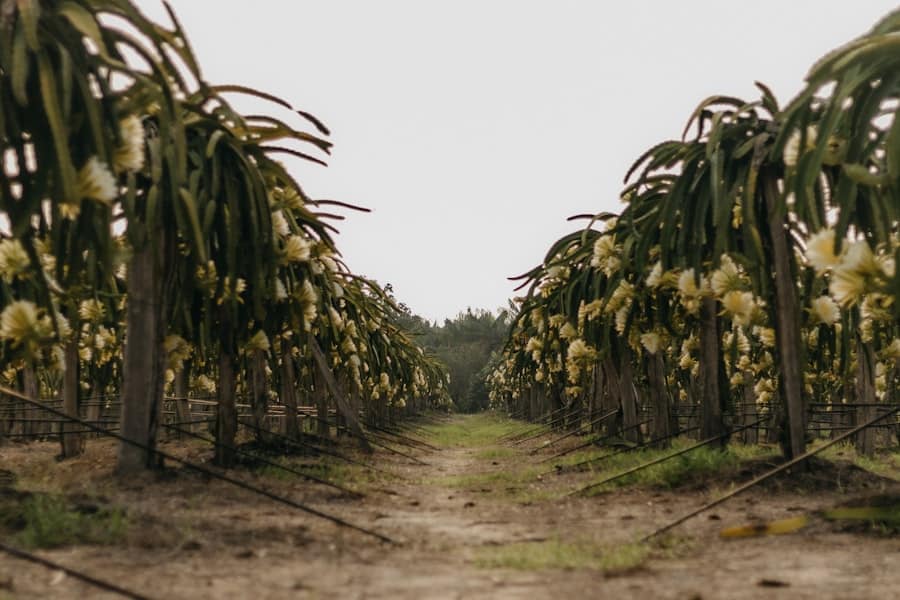
Bees and butterflies are not just beautiful additions to your garden; they are also indispensable allies in agriculture. These pollinators are responsible for the fertilization of many crops, which directly impacts food production and economic stability. When you consider that approximately one-third of the food you consume relies on pollination, it becomes clear how vital these creatures are to your daily life.
From fruits and vegetables to nuts and seeds, the contributions of bees and butterflies are woven into the fabric of our diets. Furthermore, their role extends beyond just crop production. Pollinators help maintain genetic diversity among plants, which is essential for resilience against diseases and pests.
When you support healthy bee and butterfly populations, you are also promoting a more robust agricultural system that can withstand environmental challenges. This interconnectedness highlights the importance of protecting these pollinators not only for their sake but also for the future of food security and sustainable farming practices.
The Impact of Pesticides on Pollinators
While pesticides are often used to control pest populations in agriculture, their impact on pollinators can be devastating. You may not realize that many common pesticides are toxic to bees and butterflies, leading to disorientation, reduced reproductive success, and even death. The widespread use of these chemicals has contributed significantly to the decline of pollinator populations, creating a vicious cycle where fewer pollinators lead to increased reliance on pesticides.
Moreover, the effects of pesticides can extend beyond immediate harm. Sublethal doses can impair the foraging behavior and navigation abilities of bees, making it difficult for them to find food sources or return to their hives. This disruption can have cascading effects on entire ecosystems, as pollination services diminish and plant populations decline.
Understanding the impact of pesticides on pollinators is crucial for advocating for safer alternatives and promoting practices that protect these essential species.
Natural Pest Control Methods Using Bees and Butterflies
As you explore ways to manage pests in your garden or farm, consider the benefits of natural pest control methods that leverage the strengths of bees and butterflies. By fostering a diverse ecosystem that includes these pollinators, you can create an environment where natural predators thrive alongside your crops. For instance, planting a variety of flowering plants can attract beneficial insects like ladybugs and lacewings, which feed on aphids and other harmful pests.
Additionally, incorporating companion planting strategies can enhance pest control while supporting pollinator populations. Certain plants can repel pests or attract beneficial insects when grown alongside your crops. By embracing these natural methods, you not only reduce your reliance on chemical pesticides but also contribute to a healthier ecosystem that supports both pollinators and agricultural productivity.
Creating Pollinator-Friendly Habitats
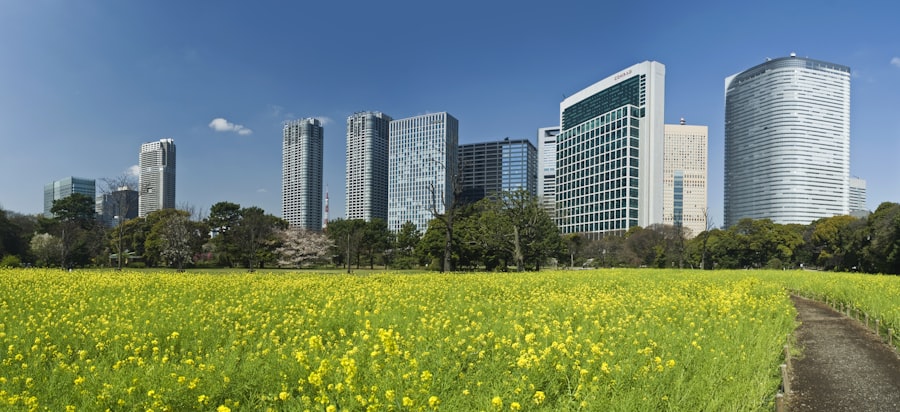
Creating habitats that support bees and butterflies is essential for their survival and well-being. You can take simple steps in your own backyard or community to foster environments where these pollinators can thrive. Start by planting native flowering plants that provide nectar and pollen throughout the growing season.
Native species are often better suited to local ecosystems and can attract a variety of pollinators. In addition to planting flowers, consider providing shelter for bees and butterflies. You can create nesting sites by leaving patches of bare soil or incorporating bee hotels made from natural materials like wood or bamboo.
Water sources are also important; a shallow dish with pebbles can provide a safe place for pollinators to drink without drowning. By taking these steps, you contribute to a healthier environment that supports not only pollinators but also the broader ecosystem.
Supporting Organic Farming Practices
Supporting organic farming practices is another way you can help protect pollinators while promoting sustainable agriculture. Organic farms typically use fewer synthetic pesticides and fertilizers, which reduces the risk of harm to bees and butterflies. By choosing organic products at your local grocery store or farmers’ market, you send a message that you value environmentally friendly practices that prioritize pollinator health.
Moreover, organic farming often emphasizes biodiversity through crop rotation and polyculture systems, which create habitats for beneficial insects and promote soil health. When you support organic farmers, you are investing in practices that not only protect pollinators but also contribute to long-term agricultural sustainability. Your choices as a consumer can have a significant impact on the future of farming practices and the health of our ecosystems.
Educating and Engaging Communities in Pollinator Protection
Education plays a vital role in fostering awareness about the importance of pollinators and the challenges they face. You can engage your community by organizing workshops or informational sessions focused on pollinator protection. Sharing knowledge about the benefits of bees and butterflies can inspire others to take action in their own gardens or neighborhoods.
Additionally, community engagement initiatives such as planting days or habitat restoration projects can bring people together while promoting pollinator-friendly practices. By working collectively, you can create a network of individuals committed to protecting these essential species. The more people understand the significance of pollinators, the more likely they are to advocate for their conservation.
Government Policies and Initiatives for Pollinator Conservation
Government policies play a crucial role in shaping the future of pollinator conservation efforts. You may be interested to know that various initiatives aim to protect bees and butterflies at local, national, and international levels. These policies often focus on habitat restoration, pesticide regulation, and funding for research on pollinator health.
By advocating for stronger policies that prioritize pollinator protection, you can contribute to meaningful change in your community and beyond. Engaging with local representatives or participating in public forums allows you to voice your concerns about pollinator decline and support initiatives that promote sustainable practices. Your involvement can help ensure that future generations inherit a world where pollinators thrive.
Collaboration with Farmers and Landowners to Protect Pollinators
Collaboration between communities, farmers, and landowners is essential for effective pollinator protection strategies. You may find it beneficial to connect with local agricultural organizations or conservation groups focused on promoting practices that support pollinators. By working together, you can develop initiatives that benefit both agricultural productivity and ecosystem health.
For instance, farmers can implement buffer zones with native plants around their fields to provide habitat for pollinators while reducing pesticide drift into surrounding areas. Landowners can also participate in conservation programs that incentivize habitat restoration efforts on their properties. By fostering collaboration among various stakeholders, you contribute to a more holistic approach to protecting pollinators while ensuring sustainable agricultural practices.
The Future of Pollinator Protection and Pest Control
As you reflect on the future of pollinator protection and pest control, it becomes clear that collective action is essential for creating lasting change. The challenges facing bees and butterflies require innovative solutions that prioritize both ecological health and agricultural productivity. By embracing sustainable practices, supporting organic farming, and advocating for policy changes, you can play an active role in shaping a future where pollinators thrive.
Moreover, as awareness grows about the importance of these creatures in our ecosystems, there is hope for renewed efforts toward conservation initiatives worldwide. Your commitment to protecting pollinators not only benefits them but also contributes to healthier food systems and resilient ecosystems for generations to come. Together, we can ensure that bees and butterflies continue to flourish as vital components of our environment and agriculture.
In a related article on Thrift Pest Control’s website, they discuss the importance of understanding pest behavior for effective control. The article titled “Buzz, Scurry, Slither: Understanding Pest Behavior for Effective Control” delves into the various behaviors of pests and how this knowledge can be used to develop more successful pest control strategies. To learn more about this topic, visit here.
FAQs
What is the importance of bees and butterflies in pest control?
Bees and butterflies play a crucial role in pest control by pollinating plants, which helps to maintain the health and diversity of ecosystems. They also contribute to the production of many fruits, vegetables, and other crops.
How are bees and butterflies affected by pest control methods?
Bees and butterflies can be negatively impacted by traditional pest control methods, such as the use of chemical pesticides. These substances can harm or kill pollinators, leading to a decline in their populations.
What are some alternative pest control methods that protect bees and butterflies?
There are several alternative pest control methods that can help protect bees and butterflies, including the use of biological controls, such as natural predators and parasites, as well as the implementation of integrated pest management (IPM) strategies.
How can individuals contribute to protecting bees and butterflies in pest control?
Individuals can contribute to protecting bees and butterflies in pest control by avoiding the use of chemical pesticides in their gardens and supporting organic and sustainable farming practices. Planting pollinator-friendly flowers and providing habitat for bees and butterflies can also help support their populations.