
Pest adaptation is a critical aspect of agriculture and public health that you must understand to effectively manage pest populations. As pests evolve, they develop new behaviors and traits that allow them to survive in changing environments. This adaptability poses significant challenges for farmers, gardeners, and pest control professionals alike.
The need for effective pest control strategies has never been more pressing, as pests can cause substantial damage to crops, spread diseases, and disrupt ecosystems. Understanding the mechanisms behind pest adaptation is essential for developing effective control measures that can mitigate their impact. In this article, you will explore the various dimensions of pest adaptation and control.
From understanding pest behavior to examining the environmental factors that influence their evolution, you will gain insights into the complexities of managing these resilient organisms. You will also learn about the genetic adaptations that enable pests to thrive in diverse conditions, the phenomenon of pesticide resistance, and the importance of integrated pest management strategies. By the end of this exploration, you will be better equipped to tackle the challenges posed by pests in your own environment.
Key Takeaways
- Pest adaptation is a significant challenge in pest control and management.
- Understanding pest behavior and adaptation is crucial for effective pest control.
- Environmental factors play a key role in influencing pest adaptation.
- Genetic adaptation in pest populations can lead to increased resistance to control measures.
- Integrated pest management strategies and biological control methods are important for effective pest control.
Understanding Pest Behavior and Adaptation
Behavioral Flexibility
Pests exhibit a range of behaviors that are influenced by their environment, food sources, and interactions with other organisms. For instance, some pests may develop feeding habits that allow them to exploit new food sources when their preferred options become scarce.
Adaptability in Reproductive Strategies
Moreover, pests often exhibit changes in reproductive strategies in response to environmental pressures. For example, when faced with high levels of predation or competition, certain pest species may increase their reproductive rates to ensure that some offspring survive.
Implications for Pest Management
This adaptability not only allows them to thrive in various conditions but also complicates your efforts to control their populations. By recognizing these behaviors, you can tailor your pest management strategies to address the specific challenges posed by different pest species.
Environmental Factors Influencing Pest Adaptation
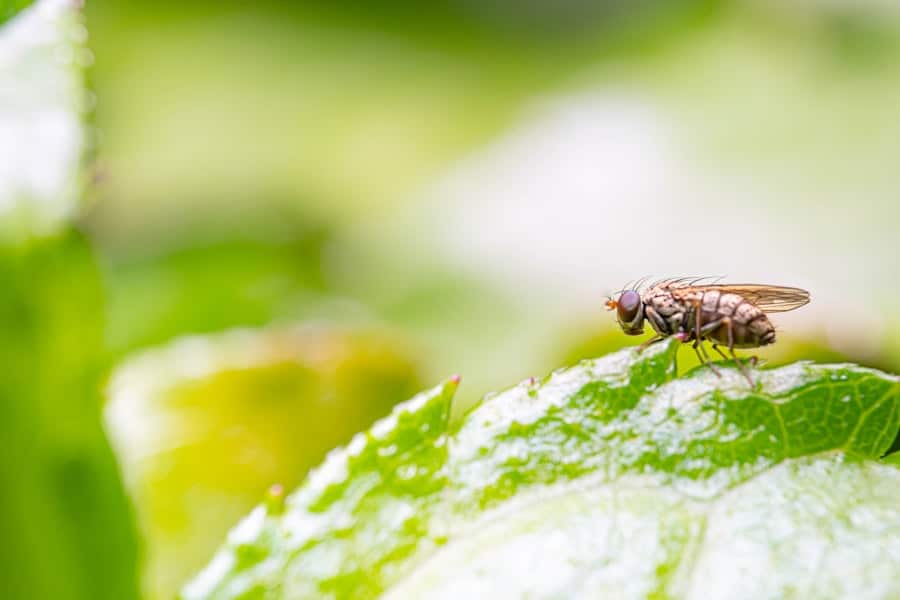
Environmental factors play a significant role in shaping pest adaptation. Climate change, habitat destruction, and agricultural practices can all influence how pests evolve over time. For instance, rising temperatures may expand the geographic range of certain pests, allowing them to invade new areas where they were previously unable to survive.
This shift can lead to increased competition with native species and disrupt local ecosystems. Additionally, changes in land use and agricultural practices can create new niches for pests to exploit. Monoculture farming, for example, can provide a consistent food source for specific pests, allowing them to thrive and reproduce rapidly.
As you consider pest control strategies, it is essential to take these environmental factors into account. By understanding how changes in the environment affect pest behavior and distribution, you can develop more effective management practices that anticipate and mitigate these challenges.
Genetic Adaptation in Pest Populations
Genetic adaptation is another crucial aspect of pest evolution that you should be aware of when developing control strategies. Over time, pests can undergo genetic changes that enhance their survival in specific environments. These adaptations may include alterations in metabolic pathways that allow them to detoxify harmful substances or changes in physical traits that improve their ability to evade predators.
The process of genetic adaptation often occurs through natural selection, where individuals with advantageous traits are more likely to survive and reproduce. This means that as you implement pest control measures, you may inadvertently select for resistant individuals within a population. Understanding the genetic basis of these adaptations can help you anticipate how pests might respond to your control efforts and inform your approach to managing their populations effectively.
Pesticide Resistance and Adaptation
One of the most pressing issues in pest management today is pesticide resistance. As you apply chemical controls to manage pest populations, some individuals may possess genetic traits that confer resistance to these substances. Over time, repeated exposure to pesticides can lead to a situation where only resistant pests survive and reproduce, resulting in a population that is increasingly difficult to control.
This phenomenon underscores the importance of using pesticides judiciously and as part of a broader integrated pest management strategy. By rotating different classes of pesticides and incorporating non-chemical control methods, you can reduce the selection pressure on pest populations and help prevent the development of resistance. Understanding the mechanisms behind pesticide resistance will empower you to make informed decisions about pest control that minimize the risk of resistance while effectively managing pest populations.
Integrated Pest Management Strategies

Understanding Pest Behavior
As you explore IPM, you’ll find that it emphasizes the importance of understanding pest life cycles, behaviors, and environmental interactions.
Integrated Control Methods
By integrating various control methods—such as biological, cultural, mechanical, and chemical controls—you can create a more sustainable approach to pest management.
Proactive Monitoring and Intervention
One key aspect of IPM is monitoring pest populations to determine when control measures are necessary. By keeping track of pest numbers and assessing damage levels, you can make informed decisions about when and how to intervene. This proactive approach not only helps reduce reliance on chemical controls but also promotes long-term sustainability by encouraging natural pest regulation through beneficial organisms.
Biological Control Methods
Biological control methods involve using natural predators or parasites to manage pest populations. This approach can be particularly effective because it leverages existing ecological relationships rather than relying solely on chemical interventions. For instance, introducing ladybugs into your garden can help control aphid populations without harming beneficial insects or pollinators.
As you consider biological control options, it’s essential to select organisms that are well-suited to your specific environment and target pests. Additionally, fostering a diverse ecosystem can enhance the effectiveness of biological control by providing habitats for beneficial organisms. By embracing biological control methods as part of your overall pest management strategy, you can promote ecological balance while effectively managing pest populations.
Cultural Control Practices
Cultural control practices involve modifying agricultural practices and environmental conditions to reduce pest populations. These methods can include crop rotation, intercropping, and adjusting planting dates to disrupt pest life cycles. By implementing cultural controls, you can create an environment that is less conducive to pest infestations.
For example, rotating crops can help break the life cycle of soil-borne pests by depriving them of their preferred food source. Similarly, planting resistant crop varieties can reduce susceptibility to specific pests while promoting overall plant health. As you explore cultural control practices, consider how small changes in your gardening or farming techniques can lead to significant reductions in pest populations over time.
Mechanical and Physical Control Measures
Mechanical and physical control measures involve using physical barriers or devices to prevent pests from accessing crops or living spaces. These methods can include installing row covers, traps, or barriers that deter pests from entering specific areas. By employing these strategies, you can create a more controlled environment that minimizes pest access while reducing reliance on chemical controls.
For instance, using sticky traps can help monitor pest populations while also capturing individuals before they cause damage. Similarly, installing fences or netting around gardens can protect plants from larger pests like deer or rabbits. As you consider mechanical and physical control options, think about how these methods can complement your overall pest management strategy while providing immediate results.
Chemical Control Options
While integrated approaches are essential for sustainable pest management, chemical control options still play a role in many situations. When used judiciously and as part of an integrated strategy, pesticides can effectively reduce pest populations when other methods fall short. However, it is crucial to select the right products based on the specific pests you are targeting and their life stages.
When considering chemical controls, always follow label instructions carefully and be mindful of potential impacts on non-target organisms and the environment. Additionally, consider using targeted applications rather than blanket treatments to minimize pesticide use while maximizing effectiveness. By integrating chemical controls thoughtfully into your overall pest management plan, you can achieve effective results while promoting long-term sustainability.
Future Challenges and Innovations in Pest Control
As you look toward the future of pest management, several challenges and innovations are on the horizon. Climate change continues to alter ecosystems and expand the range of many pests, making it essential for you to stay informed about emerging threats. Additionally, increasing public concern about pesticide use is driving research into alternative methods of pest control that are both effective and environmentally friendly.
Innovations such as precision agriculture technologies are also transforming how you approach pest management. These technologies allow for more targeted applications of pesticides based on real-time data about pest populations and environmental conditions. By embracing these advancements and remaining adaptable in your strategies, you can navigate the evolving landscape of pest management while ensuring sustainable practices for future generations.
In conclusion, understanding pest adaptation and implementing effective control measures is crucial for anyone involved in agriculture or gardening. By exploring various strategies—from biological controls to integrated approaches—you can develop a comprehensive plan that addresses the challenges posed by resilient pests while promoting ecological balance and sustainability in your environment.
If you are interested in learning more about pest control services, you may want to check out this article on the best pest control service in Wichita, Kansas. It provides valuable information on how to effectively manage pest infestations in your area. Additionally, you may find this article on identifying and solving mystery pest invasions to be helpful in understanding the different types of pests and how to control them. And if you are located in Sacramento, California, you can also read about the best pest control service in your area.
FAQs
What are pests?
Pests are organisms that are detrimental to humans, animals, crops, and the environment. They can include insects, rodents, birds, and other organisms that cause harm or nuisance.
How do pests adapt to changes in the environment?
Pests can adapt to changes in the environment through various mechanisms such as developing resistance to pesticides, changing their behavior and habits, and evolving to thrive in new conditions.
What are some control methods for pests?
Control methods for pests include biological control using natural predators or parasites, chemical control using pesticides, cultural control through habitat modification, and mechanical control using traps or barriers.
Why is it important to control pests?
Controlling pests is important to protect human health, prevent damage to crops and structures, and preserve the balance of ecosystems. Uncontrolled pest populations can lead to economic losses and public health risks.
How do pests impact the environment?
Pests can impact the environment by disrupting natural ecosystems, reducing biodiversity, and causing damage to plants and animals. They can also contribute to the spread of diseases and parasites.