
Mosquitoes are more than just a nuisance; they are vectors for various diseases that can pose serious health risks to humans and animals alike. You may find yourself swatting at these pesky insects during a summer evening barbecue or while enjoying a stroll in the park, but the implications of their presence extend far beyond mere annoyance. Mosquitoes are known carriers of diseases such as malaria, dengue fever, Zika virus, and West Nile virus.
Understanding the mosquito problem is crucial for anyone looking to protect themselves and their loved ones from these potential threats. The life cycle of a mosquito is relatively short, yet it is highly effective in ensuring their survival and proliferation. Female mosquitoes require blood to develop their eggs, which is why they are the ones that bite.
After feeding, they lay their eggs in stagnant water, where the larvae can thrive. This cycle can lead to rapid population growth, especially in warm climates. By understanding how mosquitoes operate, you can take proactive measures to minimize their impact on your life and environment.
Key Takeaways
- Mosquitoes are a common problem and can carry diseases such as malaria and dengue fever.
- Standing water is a prime breeding ground for mosquitoes, so it’s important to identify and eliminate these areas.
- Regularly emptying and cleaning water containers, gutters, and other potential breeding sites can help reduce mosquito populations.
- Using mosquito repellents containing DEET or picaridin can help protect against mosquito bites.
- Installing mosquito traps can help reduce mosquito populations in and around your home.
Identifying Mosquito Breeding Sites
To effectively combat mosquitoes, you first need to identify where they breed. These insects thrive in environments where standing water is present, as it provides the perfect habitat for their larvae. You might be surprised to learn that even small amounts of water can serve as breeding grounds.
Items like flower pots, bird baths, clogged gutters, and even discarded tires can collect rainwater and become ideal sites for mosquito reproduction. By being vigilant and inspecting your surroundings, you can significantly reduce the chances of a mosquito infestation. Once you have identified potential breeding sites around your home or property, it’s essential to take action.
Look for areas where water tends to accumulate and consider how you can modify these spaces to prevent mosquitoes from laying eggs. For instance, if you have a bird bath, change the water regularly to disrupt the mosquito life cycle. By taking these steps, you not only protect yourself but also contribute to the broader community effort to control mosquito populations.
Eliminating Standing Water
Eliminating standing water is one of the most effective strategies for reducing mosquito populations in your area. You may not realize it, but even the smallest puddle can become a breeding ground for these insects. Start by walking around your property and checking for any containers that may collect water.
This includes items like buckets, plant saucers, and even pet dishes. If you find any, empty them out or store them upside down to prevent water accumulation. In addition to addressing obvious sources of standing water, consider larger areas that may not be as easily visible.
For example, check your gutters to ensure they are clear of debris that could trap water. If you have a pond or other natural water feature, think about introducing fish that feed on mosquito larvae. By taking these proactive measures to eliminate standing water, you create an environment that is less hospitable to mosquitoes and significantly reduce their numbers.
Using Mosquito Repellents
When it comes to personal protection against mosquitoes, using repellents is an effective strategy that you should consider. There are various types of repellents available on the market, ranging from chemical-based options containing DEET or picaridin to natural alternatives like citronella oil or lemon eucalyptus oil. Each type has its pros and cons, so it’s essential to choose one that fits your lifestyle and preferences.
When applying mosquito repellent, make sure to follow the instructions on the label for optimal effectiveness. Apply it generously on exposed skin and clothing before heading outdoors, especially during peak mosquito activity times such as dawn and dusk. If you’re planning to spend extended periods outside, reapply the repellent as directed to maintain its protective barrier.
By incorporating mosquito repellents into your outdoor routine, you can enjoy your time outside without constantly worrying about bites.
Installing Mosquito Traps
Another effective method for controlling mosquito populations is the installation of mosquito traps around your property. These traps work by attracting mosquitoes using various lures such as carbon dioxide or heat and then capturing them in a way that prevents escape. You might find that some traps are designed for outdoor use while others are more suitable for indoor environments.
By strategically placing these traps in areas where mosquitoes are likely to congregate, you can significantly reduce their numbers. When selecting a mosquito trap, consider factors such as size, effectiveness, and maintenance requirements. Some traps require regular cleaning or replacement of lures, while others may be more self-sustaining.
Regardless of the type you choose, having mosquito traps in place can provide an additional layer of protection against these pests. As you monitor the traps and see them filled with captured mosquitoes, you’ll gain a sense of accomplishment knowing that you’re actively working to keep your environment mosquito-free.
Utilizing Natural Predators
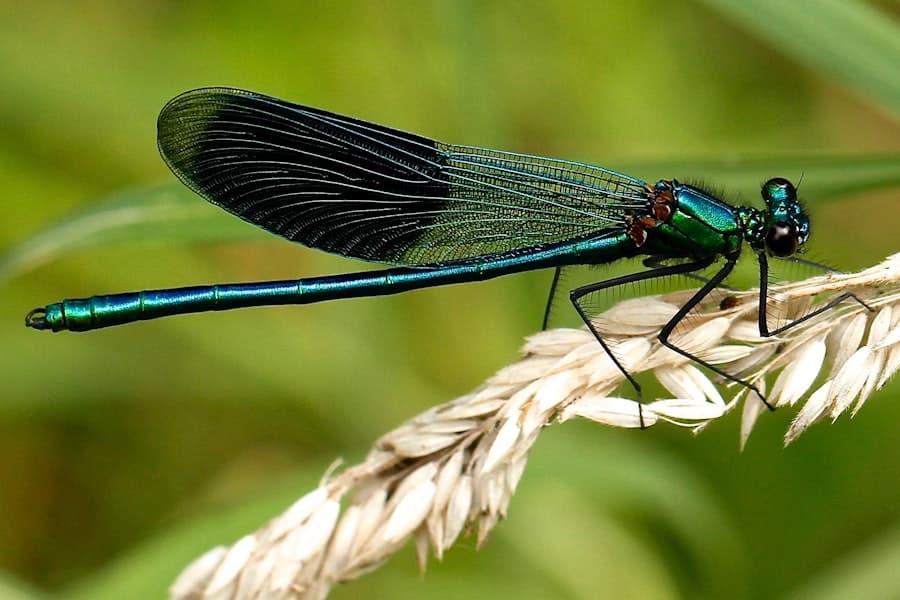
In addition to human intervention, nature has its own way of controlling mosquito populations through natural predators. You may not realize it, but certain species of birds, bats, and even dragonflies feed on mosquitoes and their larvae. By creating an environment that attracts these natural predators, you can help keep mosquito numbers in check without relying solely on chemical solutions.
To attract birds and bats to your yard, consider installing birdhouses or bat boxes. Planting native vegetation can also provide food sources and shelter for these beneficial creatures. Additionally, maintaining a healthy ecosystem with diverse plant life can encourage dragonflies to take up residence in your area.
By fostering a habitat that supports natural predators, you not only help control mosquito populations but also enhance the overall biodiversity of your environment.
Seeking Professional Help
If you find that your efforts to control mosquitoes are not yielding the desired results, it may be time to seek professional help. Pest control companies specialize in mosquito management and can provide targeted treatments tailored to your specific situation. They often have access to advanced tools and techniques that are not available to the average homeowner.
When considering professional assistance, do your research to find a reputable company with experience in mosquito control. They will typically conduct an assessment of your property to identify breeding sites and recommend appropriate treatments. While this option may involve an investment, the peace of mind that comes from knowing experts are handling the situation can be well worth it.
Preventing Future Infestations
Once you’ve successfully reduced the mosquito population around your home, it’s essential to implement strategies for preventing future infestations. Regular maintenance is key; continue monitoring your property for standing water and remove any potential breeding sites as they arise. Establishing a routine check-up schedule can help ensure that you stay ahead of any new issues before they escalate.
Additionally, consider educating your family and neighbors about mosquito control measures. By fostering a community-wide effort to manage mosquito populations, you create a more significant impact than individual actions alone can achieve. Share tips on eliminating standing water and using repellents effectively; together, you can create a healthier environment free from the threat of mosquitoes.
In conclusion, understanding the mosquito problem is just the beginning of effective management strategies. By identifying breeding sites, eliminating standing water, using repellents, installing traps, utilizing natural predators, seeking professional help when necessary, and preventing future infestations, you can take control of your outdoor space and enjoy it without fear of these pesky insects. With diligence and proactive measures, you can create a more comfortable living environment for yourself and those around you.
If you are struggling with a mosquito infestation, you may want to consider hiring a professional pest control service. Thrift Pest Control offers the best pest control service in Richmond, Virginia, Little Rock, Arkansas, and Portland, Oregon. Their team of experts can help you get rid of thousands of mosquitoes and ensure your home is pest-free. For more information on their services, check out their website