
When it comes to dealing with unwanted wildlife in your home or garden, the first step is identifying the problem. You may notice signs of intrusion, such as droppings, gnaw marks, or even the sounds of scurrying at night. These indicators can help you determine what type of animal is causing the disturbance.
For instance, if you find small, dark droppings and hear scratching noises in your walls, you might be dealing with rodents. On the other hand, larger droppings and claw marks could suggest the presence of raccoons or opossums. By carefully observing these signs, you can gain valuable insights into the specific wildlife issue you are facing.
Once you have identified the problem, it’s essential to assess the extent of the infestation. Are there just a few signs, or is there a more significant presence? This evaluation will guide your next steps.
You might want to take note of when and where you see these signs most frequently. For example, if you notice droppings near your garden or around your trash cans, it could indicate that animals are attracted to those areas. Understanding the behavior and habits of the wildlife in question will help you devise a more effective strategy for removal and prevention.
Key Takeaways
- Identifying the Problem: Recognize signs of wildlife infestation such as droppings, nests, or damage to property.
- Removing Food Sources: Keep outdoor areas clean and free of food scraps to discourage wildlife from foraging.
- Securing Trash and Food Storage: Use tightly sealed containers for trash and food to prevent access by wildlife.
- Using Repellents and Deterrents: Consider using natural or commercial repellents to discourage wildlife from entering your property.
- Sealing Entry Points: Seal off any potential entry points such as gaps in walls, windows, or doors to prevent wildlife from entering your home.
Removing Food Sources
Securing Food Storage and Waste
In addition to removing obvious food sources, consider how you store food within your home. Ensure that pantry items are sealed tightly in containers that are difficult for animals to access. This not only protects your food but also prevents any lingering scents that might attract wildlife. If you have a compost pile, make sure it is properly managed and secured, as compost can be a magnet for various animals.
Creating a Wildlife-Deterrent Environment
By taking these proactive measures, you can create an environment that discourages wildlife from making your home their feeding ground.
Securing Trash and Food Storage
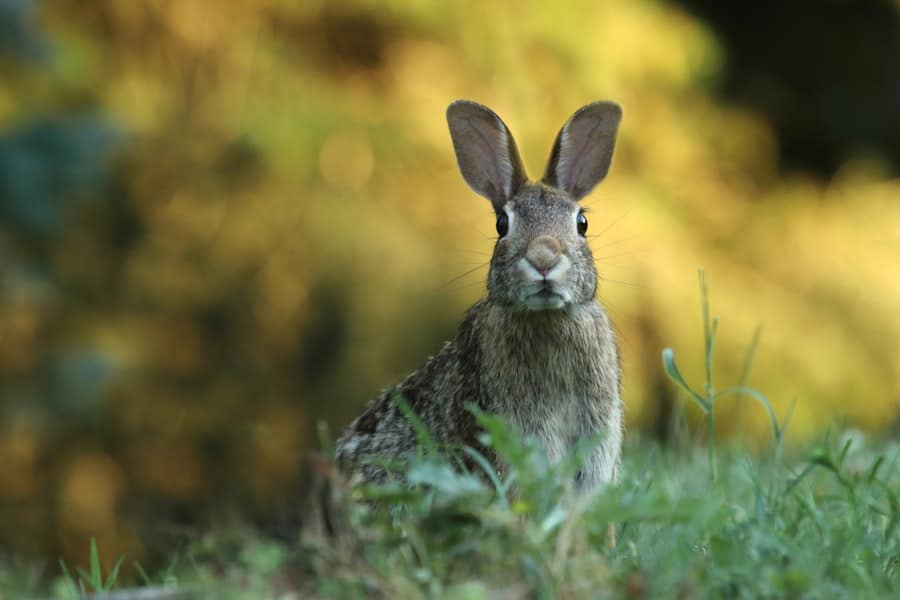
Securing trash and food storage is another critical step in preventing wildlife infestations. Many animals are opportunistic feeders and will rummage through garbage cans if they smell something enticing. To combat this, invest in sturdy trash bins with tight-fitting lids that are difficult for animals to open.
If possible, store your trash cans in a garage or shed until collection day to minimize access. Additionally, consider using animal-proof containers specifically designed to keep wildlife out. When it comes to food storage inside your home, take similar precautions.
Store all food items in airtight containers made of glass or heavy-duty plastic. This not only keeps your food fresh but also prevents any odors from escaping that might attract curious critters. If you have a garden, be mindful of how you store harvested produce; using mesh bags or hanging baskets can deter animals from snacking on your hard-earned fruits and vegetables.
By securing both trash and food storage effectively, you create a less inviting environment for wildlife.
Using Repellents and Deterrents
In addition to removing food sources and securing storage, using repellents and deterrents can be an effective strategy for keeping wildlife at bay. There are various types of repellents available on the market, ranging from natural options like peppermint oil to commercial products designed specifically for deterring certain animals. For instance, if you’re dealing with raccoons, you might consider using motion-activated lights or noise devices that startle them away from your property.
Another approach is to use physical barriers as deterrents. Fencing can be an effective way to keep larger animals out of your garden or yard. Make sure the fence is tall enough and buried a few inches underground to prevent digging.
Additionally, planting certain herbs or flowers known for their strong scents can act as natural repellents for some animals. By combining various deterrent methods, you can create a multi-layered defense against wildlife intrusions.
Sealing Entry Points
Sealing entry points is a crucial step in preventing wildlife from entering your home or garden. Animals are often adept at finding small openings through which they can gain access. Start by conducting a thorough inspection of your property, looking for gaps around windows, doors, vents, and even the foundation of your home.
Pay special attention to areas where utility lines enter your house; these can often be overlooked but provide easy access for critters. Once you’ve identified potential entry points, take action to seal them off effectively. Use materials like caulk or expanding foam to fill small gaps and cracks.
For larger openings, consider using hardware cloth or metal mesh to create a barrier that animals cannot chew through. It’s also wise to check your roof for any missing shingles or holes that could allow birds or squirrels to enter. By sealing these entry points diligently, you significantly reduce the likelihood of wildlife making themselves at home in your living space.
Seeking Professional Help
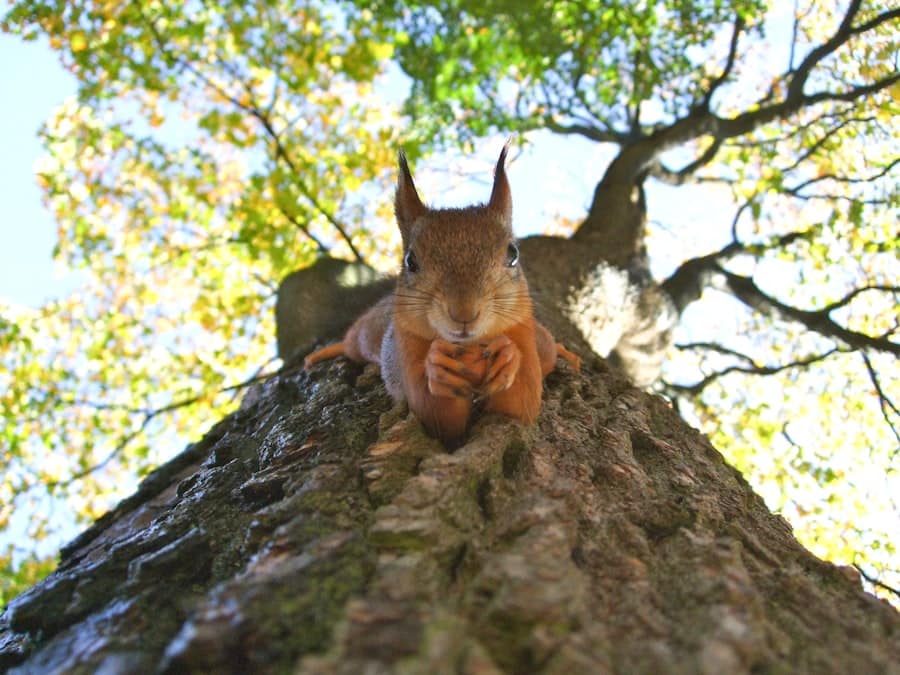
If your efforts to manage wildlife intrusions prove unsuccessful or if the situation escalates beyond what you feel comfortable handling, seeking professional help may be necessary. Wildlife control experts have the training and experience needed to deal with various animal issues safely and effectively. They can assess the situation thoroughly and provide tailored solutions based on the specific wildlife problem you’re facing.
When choosing a professional service, look for companies that are licensed and insured, as this ensures they adhere to local regulations and standards for humane treatment of animals. A reputable service will also offer follow-up consultations to ensure that the problem has been resolved and provide advice on preventing future infestations. While it may involve an upfront cost, investing in professional help can save you time and stress in the long run.
Creating a Wildlife-Friendly Environment
While it’s essential to manage unwanted wildlife intrusions effectively, creating a wildlife-friendly environment can also be beneficial for both you and local ecosystems. By designing your outdoor space with native plants and natural habitats in mind, you can attract beneficial wildlife while discouraging pests. For example, planting native flowers can draw pollinators like bees and butterflies without attracting larger animals that may cause problems.
Additionally, consider incorporating features like birdhouses or bat boxes into your yard design. These structures provide safe nesting sites for birds and bats while helping control insect populations naturally. By fostering a balanced ecosystem in your garden, you not only enhance its beauty but also contribute positively to local wildlife conservation efforts.
This approach allows you to coexist with nature while minimizing conflicts with unwanted pests.
Preventing Future Infestations
Finally, prevention is key when it comes to avoiding future wildlife infestations. After addressing any current issues, take proactive steps to ensure that your property remains uninviting to unwanted guests. Regularly inspect your home and yard for new entry points or signs of animal activity; early detection can make all the difference in managing potential problems before they escalate.
Additionally, maintain cleanliness around your property by regularly disposing of trash and keeping outdoor areas tidy. If you have pets, be mindful of their feeding habits; avoid leaving food outside overnight and clean up any spills promptly. Educating yourself about local wildlife behaviors can also help you anticipate potential issues before they arise.
By staying vigilant and proactive in your approach, you can create a harmonious living environment free from unwanted wildlife intrusions.
If you’re looking to get rid of animals around your house, you may also be interested in learning about the surprising connection between pests and allergies. This article explores how pests can exacerbate allergies and offers tips on how to combat them. Additionally, if you’re in Toledo, Ohio, you may want to check out the best pest control service in the area. This article highlights the top pest control service providers in Toledo. And for those looking to find calm amidst the creepy crawly chaos of pest control, be sure to read about the zen of pest control in this