
When it comes to deterring pests, fake owls have gained popularity as a go-to solution for homeowners and gardeners alike. These decoys are designed to mimic the appearance of real owls, which are natural predators of many small animals, including chipmunks. You might find these plastic or wooden replicas perched on fences, garden stakes, or even rooftops, all in an effort to create an illusion of danger.
The effectiveness of fake owls largely hinges on their ability to instill fear in unsuspecting chipmunks and other small critters. However, the question remains: do they truly work? Research and anecdotal evidence suggest that while fake owls can be effective in the short term, their long-term efficacy is often questionable.
Chipmunks are intelligent creatures that can quickly adapt to their surroundings. Initially, they may be startled by the sight of a fake owl, but over time, they may come to recognize it as a harmless object. This adaptation can lead to a false sense of security, allowing chipmunks to return to areas where they once felt threatened.
Therefore, while fake owls can serve as a temporary deterrent, relying solely on them may not yield lasting results in your battle against these persistent pests.
Key Takeaways
- Fake owls are not very effective in deterring chipmunks and other pests.
- Chipmunks are known for their curious and exploratory behavior, often leading them to ignore scare tactics like fake owls.
- Predation plays a significant role in shaping chipmunk behavior, leading them to be cautious and wary of potential threats.
- Scare tactics, including fake owls, may not be the most effective method of pest control and can have limited success in deterring chipmunks.
- Alternatives to fake owls, such as natural predators or integrated pest management, may be more effective in controlling chipmunk populations.
The Behavior of Chipmunks
Understanding chipmunk behavior is crucial if you want to effectively manage their presence in your garden or yard. These small rodents are known for their energetic and curious nature. They are primarily diurnal, meaning they are most active during the day, which makes them easy to spot as they scurry about in search of food.
Chipmunks are opportunistic feeders, often foraging for seeds, nuts, fruits, and even insects. Their diet is diverse, which allows them to thrive in various environments. You may notice that chipmunks exhibit a range of behaviors that can be both entertaining and frustrating.
They are known for their characteristic cheek-pouch storage system, where they hoard food for later consumption. This behavior not only helps them survive during leaner months but also contributes to the dispersal of seeds, playing a vital role in the ecosystem. However, their foraging habits can wreak havoc on gardens and flower beds, leading many homeowners to seek ways to manage their populations effectively.
The Role of Predation in Chipmunk Behavior
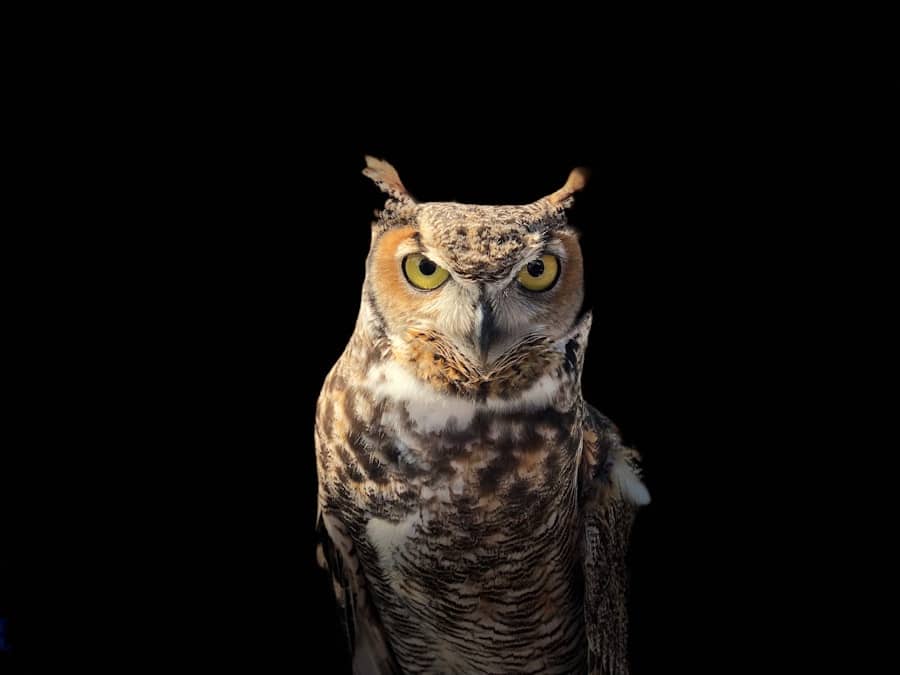
Predation plays a significant role in shaping the behavior of chipmunks. As prey animals, they have evolved various strategies to avoid becoming a meal for larger predators. You might observe that chipmunks are incredibly vigilant; they often pause and scan their surroundings for potential threats before venturing out into the open.
This heightened awareness is a survival mechanism that has developed over generations. The presence of natural predators, such as hawks, snakes, and even domestic cats, can influence chipmunk behavior significantly. When these predators are nearby, chipmunks tend to stay hidden in their burrows or seek refuge in dense vegetation.
This instinctual response to predation not only affects their foraging habits but also their social interactions. In areas where predation pressure is high, you may find that chipmunks are more solitary and cautious, while in safer environments, they may be more social and bold.
The Use of Scare Tactics in Pest Control
Scare tactics have long been employed as a method of pest control, and fake owls are just one example of this approach. The underlying principle is simple: by creating an environment that appears threatening to pests, you can encourage them to relocate elsewhere. In addition to fake owls, other scare tactics include reflective surfaces, noise-making devices, and even motion-activated sprinklers.
Each of these methods aims to exploit the natural instincts of animals like chipmunks. While scare tactics can be effective in the short term, they often require regular maintenance and repositioning to remain effective. Animals are quick learners; if they become accustomed to a particular scare tactic, its effectiveness diminishes over time.
Therefore, you may find that combining multiple scare tactics yields better results than relying on a single method alone. By diversifying your approach, you can create an environment that keeps chipmunks guessing and encourages them to seek food sources elsewhere.
Alternatives to Fake Owls
If you find that fake owls aren’t providing the desired results in your pest control efforts, there are several alternatives worth considering. One popular option is the use of natural repellents made from ingredients like garlic or hot pepper. These substances can create an unpleasant taste or smell for chipmunks, discouraging them from entering your garden or yard.
You might also explore planting certain herbs or flowers that are known to repel rodents. Another alternative involves physical barriers such as fencing or netting. Installing a fence around your garden can create a physical barrier that prevents chipmunks from accessing your plants.
However, it’s essential to ensure that the fence is buried a few inches underground since chipmunks are adept diggers. Additionally, using raised garden beds can make it more challenging for these critters to reach your plants while also providing better drainage and soil quality.
The Importance of Integrated Pest Management

Integrated Pest Management (IPM) is a holistic approach that combines various strategies to manage pest populations effectively while minimizing harm to the environment and non-target species. This method emphasizes understanding the life cycle and behavior of pests like chipmunks and using that knowledge to inform control measures. By adopting an IPM approach, you can create a more sustainable solution for managing chipmunk populations.
Incorporating IPM into your pest control strategy means considering factors such as habitat modification, biological control methods, and cultural practices alongside traditional methods like scare tactics or traps. For instance, you might focus on removing food sources by cleaning up fallen fruit or seeds from bird feeders while also using natural repellents or barriers. This comprehensive approach not only addresses the immediate issue but also helps prevent future infestations by creating an environment less conducive to chipmunk habitation.
Creating a Hostile Environment for Chipmunks
To effectively deter chipmunks from invading your space, creating a hostile environment is key. This involves making your garden or yard less appealing by removing potential food sources and shelter options. You might start by regularly cleaning up debris such as fallen fruit or nuts that could attract these rodents.
Additionally, consider trimming back overgrown vegetation where chipmunks might find refuge. Another strategy involves using mulch or gravel around your plants instead of traditional soil. These materials can make it more challenging for chipmunks to dig and access roots or bulbs.
Furthermore, consider planting species that are less palatable to chipmunks or using protective coverings for vulnerable plants during peak feeding times. By taking these proactive measures, you can significantly reduce the likelihood of chipmunks making themselves at home in your garden.
The Ethical Considerations of Using Fake Owls
While fake owls may seem like a harmless solution for pest control, ethical considerations should not be overlooked. The use of decoys raises questions about animal welfare and the potential impact on local ecosystems. For instance, while you may be targeting chipmunks specifically, other wildlife could also be affected by the presence of fake owls.
Birds and other small mammals may become stressed or alter their behavior due to perceived threats in their environment. Moreover, relying solely on artificial deterrents can lead to a lack of understanding about the ecological role that chipmunks play in your garden’s ecosystem. Instead of viewing them solely as pests, consider their contributions as seed dispersers and prey for larger animals.
By adopting a more balanced perspective on pest management that considers both ethical implications and ecological impacts, you can develop strategies that promote coexistence rather than conflict with wildlife. In conclusion, managing chipmunk populations requires a multifaceted approach that considers their behavior, ecological roles, and ethical implications of control methods like fake owls. By understanding these factors and employing integrated pest management strategies, you can create an environment that minimizes conflicts with these curious creatures while promoting a healthy ecosystem in your garden or yard.
If you are looking for effective pest control services in North Las Vegas, Nevada, Washington, D.C., or San Diego, California, you may want to consider the use of fake owls to deter chipmunks. According to a related article on Thrifty Pest Control, fake owls can be a useful tool in keeping chipmunks away from your property. By placing these decoys strategically around your yard, you may be able to discourage chipmunks from making themselves at home in your garden or landscaping.
FAQs
What are fake owls?
Fake owls are decoy owls that are designed to resemble real owls in order to scare away pests and small animals. They are often used in gardens, farms, and other outdoor areas to deter birds, rodents, and other pests.
Do fake owls keep chipmunks away?
While fake owls may be effective at deterring some pests, they are generally not very effective at keeping chipmunks away. Chipmunks are intelligent and adaptable animals, and they may quickly learn that the owl is not a real threat.
What are some other methods for keeping chipmunks away?
Some other methods for keeping chipmunks away include using physical barriers such as fences or netting, removing potential food sources such as bird feeders and fallen fruit, and using repellents or traps. It may also be helpful to make the area less attractive to chipmunks by keeping it clean and free of debris.