
Termite infestation is a concern that many homeowners face, often without realizing the extent of the threat until it’s too late. These tiny insects, often referred to as “silent destroyers,” can cause significant damage to wooden structures and even some non-wood materials. As you delve into the world of termites, it becomes clear that understanding their behavior and habits is crucial for effective prevention and treatment.
The more you know about these pests, the better equipped you will be to protect your home from their destructive tendencies. In this article, you will explore various aspects of termite infestation, particularly focusing on how they interact with brick and concrete structures. While it may seem that these materials are impervious to such pests, the reality is more complex.
By gaining insight into termite behavior, common misconceptions, and effective prevention strategies, you can take proactive steps to safeguard your property against these unwelcome invaders.
Key Takeaways
- Termite infestation in brick or concrete structures can cause significant damage if left untreated.
- Understanding termite behavior and habits is crucial in preventing and treating infestations in brick or concrete structures.
- Common misconceptions about termite infestation can lead to overlooking potential risks to brick or concrete structures.
- Factors such as moisture, wood debris, and soil contact can attract termites to brick or concrete structures.
- Professional inspection and treatment are essential for effectively addressing termite infestation in brick or concrete structures.
Understanding Termite Behavior and Habits
To effectively combat termite infestations, it is essential to understand their behavior and habits. Termites are social insects that live in colonies, which can range from a few thousand to millions of individuals. They are primarily divided into three castes: workers, soldiers, and reproductive members.
The worker termites are responsible for foraging for food, building tunnels, and caring for the queen and her offspring. This division of labor allows them to efficiently exploit their environment, making them formidable foes when it comes to property damage. Termites thrive in warm, moist environments and are particularly attracted to cellulose, a component found in wood and other plant materials.
As you learn more about their feeding habits, you will realize that they can consume wood at an alarming rate. A single colony can eat through a significant amount of wood in just a few months, leading to structural weaknesses that may go unnoticed until serious damage has occurred. Understanding these behaviors will help you identify potential risks in your home and take appropriate measures to mitigate them.
Common Misconceptions about Termite Infestation

There are several misconceptions surrounding termite infestations that can lead to inadequate responses when faced with these pests. One common belief is that termites only infest wooden structures. While it is true that wood is their primary food source, termites can also be found in other materials, including drywall, insulation, and even some types of concrete.
This misconception can lead homeowners to overlook potential signs of infestation in non-wooden areas of their homes. Another prevalent myth is that termites are only a problem in rural areas or older homes. In reality, termite infestations can occur in any location where conditions are favorable for their survival.
Newer homes are not immune; they may even be at risk if they have been built with untreated wood or if there are moisture issues present. By debunking these myths, you can better understand the risks associated with termite infestations and take proactive measures to protect your property.
Can Termites Infest Brick or Concrete Structures?
You may wonder whether termites can actually infest brick or concrete structures, given that these materials seem impervious to such pests. The answer is nuanced. While termites cannot consume brick or concrete directly, they can exploit weaknesses in these materials to access wood or cellulose-based products within your home.
For instance, if there are wooden beams or supports hidden behind brick walls or concrete slabs, termites can tunnel through any gaps or cracks to reach their food source. Additionally, subterranean termites are known for their ability to create mud tubes that allow them to travel between their underground colonies and above-ground food sources. These tubes can be constructed along the exterior of brick or concrete walls, providing a pathway for termites to access wooden structures without being exposed to the elements.
Understanding this behavior is crucial for identifying potential vulnerabilities in your home’s construction.
Factors that Attract Termites to Brick or Concrete Structures
Several factors can attract termites to brick or concrete structures, even if these materials themselves are not their primary targets. One significant factor is moisture. Termites thrive in damp environments, so any leaks or water accumulation around your foundation can create an inviting habitat for them.
If you notice standing water near your home or have poor drainage systems in place, you may inadvertently be attracting these pests. Another factor is the presence of wood or cellulose-based materials near your brick or concrete structures. This could include wooden decks, fences, or even landscaping mulch that contains organic matter.
If these materials are in close proximity to your home’s foundation, they can serve as a food source for termites while also providing easy access points for them to infiltrate your property. By addressing these factors, you can significantly reduce the likelihood of a termite infestation.
Signs of Termite Infestation in Brick or Concrete Structures
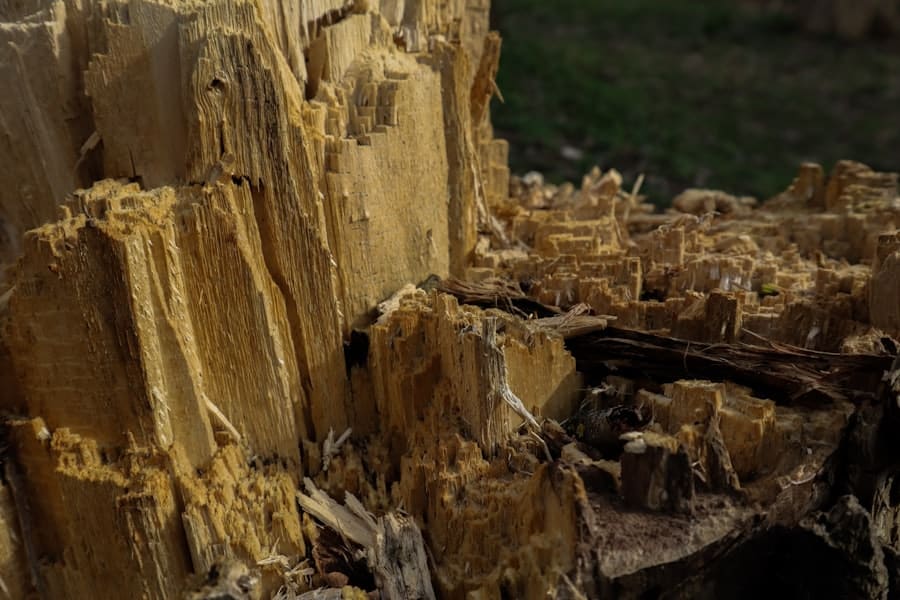
Recognizing the signs of termite infestation is crucial for early detection and intervention. While you may not see the pests themselves within brick or concrete structures, there are several indicators that can alert you to their presence. One of the most common signs is the appearance of mud tubes along walls or foundations.
These tubes are typically about the width of a pencil and serve as protective highways for termites as they travel between their colony and food sources. Another sign to watch for is the presence of discarded wings near windowsills or doors. Swarming termites shed their wings after mating, leaving behind small piles that can indicate an active infestation nearby.
Additionally, if you notice any hollow-sounding wood when tapped or see small holes in wooden structures, these could be signs of termite activity as well. Being vigilant about these signs will help you catch an infestation early before it leads to significant damage.
Risks and Damage Caused by Termite Infestation in Brick or Concrete Structures
The risks associated with termite infestations extend beyond just the immediate damage they cause; they can also lead to long-term structural issues that compromise the safety of your home. When termites invade wooden components hidden within brick or concrete structures, they can weaken load-bearing beams and supports over time. This deterioration may not be immediately visible but can result in costly repairs and even pose safety hazards if left unaddressed.
Moreover, termite damage is often not covered by standard homeowner’s insurance policies, meaning you could be left with significant out-of-pocket expenses if an infestation goes undetected for too long. The financial implications alone make it essential for homeowners to take termite prevention seriously and remain vigilant about monitoring their properties for signs of infestation.
Preventing and Treating Termite Infestation in Brick or Concrete Structures
Preventing termite infestations requires a proactive approach that includes both regular maintenance and strategic treatments. One effective method is to ensure proper drainage around your home’s foundation. This involves directing downspouts away from the house and ensuring that gutters are clean and functioning properly.
Additionally, consider using barriers such as metal mesh or treated wood when constructing decks or fences near your home. If you suspect a termite infestation has already taken hold, it’s crucial to act quickly. Treatment options vary depending on the severity of the infestation but may include liquid insecticides applied around the foundation or baiting systems designed to eliminate entire colonies over time.
Consulting with a pest control professional can help you determine the best course of action based on your specific situation.
Professional Inspection and Treatment for Termites
When it comes to termite infestations, enlisting the help of professionals can make all the difference in effectively managing the problem. A trained pest control expert will conduct a thorough inspection of your property, identifying potential entry points and areas at risk for infestation. They have access to specialized tools and treatments that may not be available for DIY methods.
Professional treatments often involve a combination of chemical barriers and baiting systems designed to eliminate existing colonies while preventing future infestations. By investing in professional services, you not only address current issues but also gain peace of mind knowing that your home is protected against future threats.
DIY Methods for Preventing Termite Infestation in Brick or Concrete Structures
While professional help is invaluable when dealing with termite infestations, there are also several DIY methods you can implement to reduce your risk. Regularly inspect your property for signs of moisture accumulation and address any leaks promptly. Additionally, consider using physical barriers such as steel mesh around vulnerable areas like vents or pipes entering your home.
You might also want to apply borate-based treatments on exposed wood surfaces as a preventive measure against termites. These treatments can deter termites from feeding on wood while being safe for humans and pets when applied correctly. By combining these DIY methods with regular inspections and maintenance practices, you can create an environment less conducive to termite infestations.
Taking Action to Protect Brick and Concrete Structures from Termites
In conclusion, protecting your brick and concrete structures from termite infestations requires vigilance and proactive measures. By understanding termite behavior and debunking common misconceptions, you empower yourself with knowledge that can help prevent costly damage down the line. Regular inspections, moisture management, and professional treatments are all essential components of an effective strategy against these pests.
Taking action now will not only safeguard your property but also provide peace of mind knowing that you have done everything possible to protect your home from these silent destroyers. Whether through professional assistance or DIY methods, being proactive about termite prevention is key to maintaining the integrity of your brick and concrete structures for years to come.
If you are concerned about termites infesting your brick or concrete structures, you may want to consider hiring the best pest control service in Boston, Massachusetts. According to a related article on thriftypestcontrol.net, termites can indeed infest non-wood structures, so it is important to take preventative measures to protect your property. Additionally, if you are located in Rochester, New York, you can also find top-notch pest control services to help keep your home termite-free. Visit thriftypestcontrol.net for more information on how to protect your property from termite damage.
FAQs
Can termites infest brick or concrete structures?
Yes, termites can infest brick or concrete structures. While termites are commonly associated with wood, they are also capable of infesting other materials such as brick and concrete. Termites can enter these structures through cracks and gaps in the foundation or through mud tubes built on the exterior.
Are termites limited to infesting wood?
No, termites are not limited to infesting wood. While they are known for their ability to damage wood, termites can also infest other materials such as paper, cardboard, and even certain types of insulation. Additionally, they can infest structural components made of materials other than wood, such as brick, concrete, and metal.