
When it comes to wooden furniture, the threat of termites is a concern that many homeowners may overlook. Termites are notorious for their ability to consume wood, and they can wreak havoc on your beloved pieces if left unchecked. These pests are not just a nuisance; they can cause significant structural damage to your furniture, leading to costly repairs or replacements.
Understanding the nature of these insects is crucial in safeguarding your possessions. Termites thrive in environments where wood is abundant, making your home an ideal target. They are social insects that live in colonies, and their primary diet consists of cellulose found in wood.
This means that any wooden furniture you own is at risk if termites are present in your vicinity. The most common types of termites that infest homes are subterranean, drywood, and dampwood termites, each with unique behaviors and preferences. By familiarizing yourself with these pests, you can take proactive measures to protect your furniture from potential infestations.
Key Takeaways
- Termites can infest wooden furniture, causing significant damage if left unchecked.
- Signs of termite infestation in wooden furniture include hollow-sounding wood, presence of termite droppings, and discarded wings near the furniture.
- Termites can cause extensive damage to wooden furniture, compromising its structural integrity and leading to costly repairs or replacements.
- Prevent termite infestation by keeping wooden furniture dry, using termite-resistant wood, and conducting regular inspections for early detection.
- Seek professional termite control services if infestation is severe, but also consider DIY methods and wood treatment options for prevention.
Signs of Termite Infestation in Wooden Furniture
Exit Holes: A Clear Indication
One of the most common indicators is the presence of small holes in the wood, often referred to as “exit holes.” These holes are created by termites as they leave the wood after consuming it. If you notice tiny holes on the surface of your furniture, it’s a clear signal that you should investigate further.
Frass: A Strong Indication
Another telltale sign is the presence of frass, which is termite droppings that resemble sawdust or small pellets. If you find this material near your wooden furniture, it’s a strong indication that termites are actively feeding on it. Additionally, you may notice a hollow sound when tapping on the wood, which suggests that the interior has been compromised.
Vigilance is Key
Being vigilant and aware of these signs can help you catch an infestation before it escalates into a more significant problem.
The Damage Termites Can Cause to Wooden Furniture
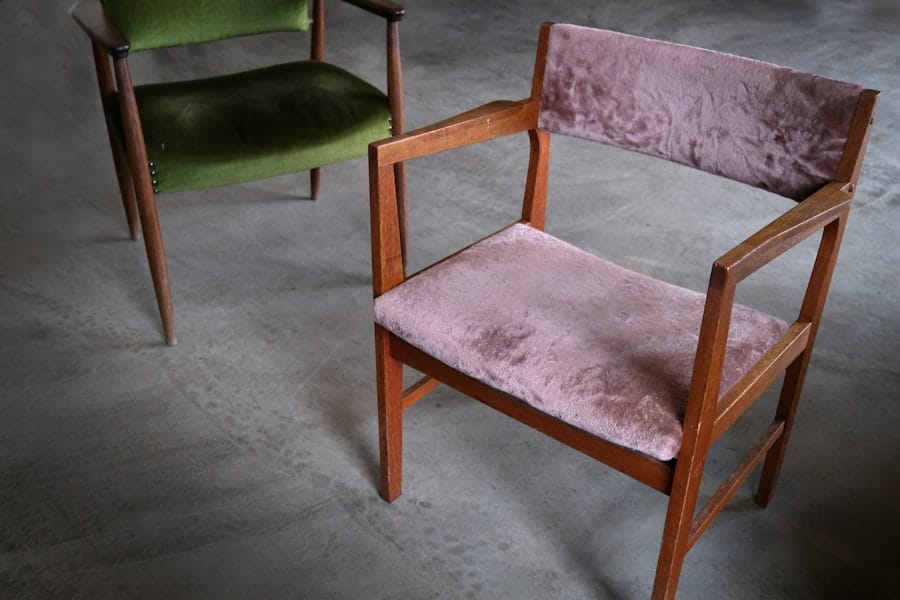
The damage caused by termites can be extensive and often goes unnoticed until it’s too late. As these pests consume wood from the inside out, they can weaken the structural integrity of your furniture, making it unsafe for use. Over time, this can lead to sagging, warping, or even complete collapse of the affected pieces.
The financial implications can be staggering, as repairing or replacing infested furniture can strain your budget. Moreover, the emotional toll of losing cherished wooden furniture cannot be underestimated. Many people have sentimental attachments to their belongings, and seeing them deteriorate due to termite damage can be disheartening.
It’s not just about the monetary value; it’s about preserving memories and maintaining a comfortable living space. Understanding the potential damage termites can inflict emphasizes the importance of taking preventive measures to protect your furniture.
Protecting Your Belongings: Tips for Preventing Termite Infestation
Preventing termite infestation requires a proactive approach to safeguarding your wooden furniture. One effective strategy is to maintain proper humidity levels in your home. Termites thrive in moist environments, so using dehumidifiers in areas prone to dampness can significantly reduce the risk of infestation.
Additionally, ensure that any leaks or water damage are promptly addressed, as these conditions can attract termites. Another crucial tip is to keep wooden furniture away from direct contact with soil or moisture sources. Elevating furniture off the ground and using protective barriers can help deter termites from accessing your belongings.
Regularly inspecting your furniture for signs of wear and tear can also aid in early detection of potential infestations. By implementing these preventive measures, you can create an environment that is less conducive to termite activity.
Regular Inspections: The Key to Catching Termites Early
Conducting regular inspections of your wooden furniture is vital for catching termite infestations early on. Set aside time every few months to thoroughly examine your pieces for any signs of damage or pest activity. Pay close attention to joints, corners, and areas where wood meets other materials, as these are common entry points for termites.
During your inspections, don’t hesitate to use tools such as flashlights or magnifying glasses to get a closer look at hard-to-see areas. If you notice any suspicious signs, such as frass or exit holes, take immediate action to address the issue. Early detection can save you from extensive damage and costly repairs down the line, making regular inspections an essential part of maintaining your wooden furniture.
Wood Treatment Options for Preventing Termite Infestation

There are several wood treatment options available that can help prevent termite infestations in your furniture. One popular method is applying a borate-based treatment to the wood before it is used in construction or furniture-making. Borate acts as a natural insecticide and helps protect against termites while being safe for humans and pets.
Another option is using pressure-treated wood for outdoor furniture or items exposed to moisture. This type of wood has been chemically treated to resist decay and insect damage, making it a durable choice for long-lasting furniture. Additionally, consider using wood sealants or finishes that contain insect-repelling properties to provide an extra layer of protection against termites.
Using Termite-Resistant Wood for Furniture
When selecting materials for new wooden furniture, consider opting for termite-resistant wood species. Certain types of wood naturally possess properties that deter termites due to their density or chemical composition. For instance, hardwoods like oak and teak are less appealing to termites compared to softer woods like pine or cedar.
Incorporating termite-resistant wood into your furniture design not only enhances its durability but also reduces the likelihood of infestations over time. By making informed choices about the materials you use, you can create beautiful pieces that stand the test of time while minimizing the risk of termite damage.
Proper Storage and Maintenance of Wooden Furniture
Proper storage and maintenance play a crucial role in protecting your wooden furniture from termite infestations. When storing wooden items, ensure they are kept in a dry environment with adequate ventilation. Avoid placing them directly on concrete floors or in damp basements, as moisture can attract termites.
Regular cleaning and maintenance are also essential for preserving the integrity of your furniture. Dusting surfaces and applying appropriate wood polish can help maintain their appearance while also allowing you to inspect for any signs of pest activity. By taking these steps, you create an environment that is less inviting to termites and prolong the life of your cherished pieces.
Professional Termite Control Services: When to Seek Help
If you suspect a termite infestation in your wooden furniture or home, seeking professional help is often the best course of action. Pest control experts have the knowledge and tools necessary to assess the situation accurately and implement effective treatment plans. They can conduct thorough inspections and identify areas at risk while providing tailored solutions based on your specific needs.
Don’t hesitate to reach out for professional assistance if you notice signs of termite activity or if you want peace of mind regarding your home’s safety. Early intervention by experts can prevent further damage and save you from costly repairs down the line.
DIY Methods for Protecting Wooden Furniture from Termites
For those who prefer a hands-on approach, there are several DIY methods you can employ to protect your wooden furniture from termites. One effective strategy is creating a barrier using diatomaceous earth around areas where termites may enter your home. This natural substance dehydrates insects upon contact, making it an eco-friendly option for pest control.
Additionally, consider using essential oils known for their insect-repelling properties, such as neem oil or orange oil. Mixing these oils with water and spraying them on your wooden furniture can deter termites while leaving a pleasant scent behind. While DIY methods can be effective, always remain vigilant and monitor for any signs of infestation.
What to Do if Your Wooden Furniture is Already Infested by Termites
If you discover that your wooden furniture is already infested with termites, it’s crucial to act quickly to mitigate further damage. First, isolate the affected pieces by moving them away from other furniture to prevent the infestation from spreading. Next, consider contacting a pest control professional who can assess the extent of the damage and recommend appropriate treatment options.
In some cases, treating infested furniture with insecticides specifically designed for termites may be necessary. However, always follow safety guidelines when using chemicals and consider seeking expert advice before proceeding with any treatment methods. Remember that addressing an infestation promptly can save you time, money, and heartache in the long run.
By understanding the threat posed by termites and taking proactive measures to protect your wooden furniture, you can enjoy peace of mind knowing that your cherished belongings are safe from these destructive pests. Regular inspections, proper maintenance, and informed choices about materials will go a long way in preserving the beauty and integrity of your wooden pieces for years to come.
If you are concerned about termites infesting and damaging your wooden furniture, you may want to consider hiring a professional pest control service to protect your belongings. One option to consider is