
Cultural beliefs and superstitions surrounding insect pests are deeply rooted in the traditions and histories of various societies. These beliefs often reflect a community’s relationship with nature, their understanding of the environment, and their attempts to explain the unexplainable. You may find that these beliefs can range from reverence for certain insects, which are seen as omens or messengers, to fear and aversion towards others, which are viewed as harbingers of misfortune or disease.
Such perspectives can significantly influence how individuals and communities respond to pest infestations, shaping their attitudes toward pest control and management. In many cultures, insects are not merely seen as nuisances but are imbued with symbolic meanings that can affect daily life. For instance, the appearance of a specific insect might be interpreted as a sign of good luck or a warning of impending trouble.
You might encounter stories passed down through generations that illustrate how certain insects are believed to carry messages from ancestors or spirits. This intricate web of beliefs can complicate the straightforward task of pest management, as cultural narratives often dictate how people perceive and interact with these creatures.
Key Takeaways
- Cultural beliefs and superstitions play a significant role in shaping people’s attitudes and behaviors towards insect pests.
- Examples of cultural beliefs and superstitions related to insect pests include the belief that certain insects bring good or bad luck, or that killing certain insects will bring harm.
- Cultural beliefs and superstitions can impact control practices by influencing the methods used to manage insect pests, such as avoiding certain control measures due to superstitions.
- Traditional pest control methods are often shaped by cultural beliefs and superstitions, such as the use of specific plants or rituals to ward off insect pests.
- Modern pest control strategies can be influenced by cultural beliefs and superstitions, as some communities may be resistant to new methods due to traditional beliefs.
Examples of Cultural Beliefs and Superstitions Regarding Insect Pests
Throughout the world, various cultures have developed unique beliefs about insect pests that reflect their values and experiences. In some African cultures, for example, the presence of locusts is seen as a sign of impending prosperity, while in others, they are viewed as a devastating plague. You may find that these contrasting views can lead to different responses to locust swarms, with some communities preparing to celebrate a bountiful harvest while others brace for disaster.
In Asian cultures, the presence of certain insects can be interpreted in various ways. The cricket, for instance, is often regarded as a symbol of good fortune in Chinese culture. You might hear stories about how keeping crickets in the home is believed to attract wealth and happiness.
Conversely, the cockroach is frequently associated with filth and disease, leading to strong aversions and even rituals aimed at warding off these pests. Such beliefs not only shape individual attitudes but also influence community practices regarding pest control.
Impact of Cultural Beliefs and Superstitions on Control Practices

Cultural beliefs and superstitions can significantly impact pest control practices within communities. When you consider how these beliefs shape perceptions of insects, it becomes clear that they can either hinder or enhance efforts to manage pest populations effectively. For instance, if a community holds a belief that certain insects are sacred or bring good luck, you may find that individuals are less likely to take action against them, even when they pose a threat to crops or health.
On the other hand, superstitions can also lead to the adoption of unconventional pest control methods that may not be scientifically validated. You might observe communities relying on traditional remedies or rituals to ward off pests instead of employing modern techniques. While these practices may be rooted in cultural significance, they can sometimes result in ineffective pest management strategies that fail to address the underlying issues.
How Cultural Beliefs and Superstitions Shape Traditional Pest Control Methods
Traditional pest control methods are often steeped in cultural beliefs and superstitions that have been passed down through generations. You may find that these methods vary widely from one culture to another, reflecting local customs and environmental conditions. For example, in some rural communities, you might encounter practices such as burning specific herbs or using animal dung as repellents against pests.
These methods are not only practical but also carry cultural significance, reinforcing community identity and continuity. Moreover, traditional pest control methods often incorporate elements of spirituality or ritual. You might witness ceremonies performed to appease spirits believed to influence pest populations or rituals aimed at ensuring a bountiful harvest.
Such practices highlight the interconnectedness of culture and nature, where pest management is not merely a technical endeavor but also a deeply spiritual one. This blending of tradition and practicality can create a rich tapestry of pest control strategies that reflect the values and beliefs of a community.
Influence of Cultural Beliefs and Superstitions on Modern Pest Control Strategies
As societies evolve and modern pest control strategies emerge, cultural beliefs and superstitions continue to play a significant role in shaping these approaches. You may notice that even in urban settings where scientific methods dominate pest management, traditional beliefs still influence how people perceive and respond to insect infestations. For instance, individuals may be hesitant to use chemical pesticides due to fears rooted in cultural narratives about their potential harm.
Furthermore, the integration of cultural beliefs into modern pest control strategies can enhance community acceptance and participation. When you consider that many people are more likely to embrace pest management solutions that align with their cultural values, it becomes clear that understanding these beliefs is crucial for effective communication and outreach. Pest control professionals who acknowledge and respect cultural perspectives can foster trust and collaboration with communities, leading to more successful outcomes.
Addressing Cultural Beliefs and Superstitions in Integrated Pest Management
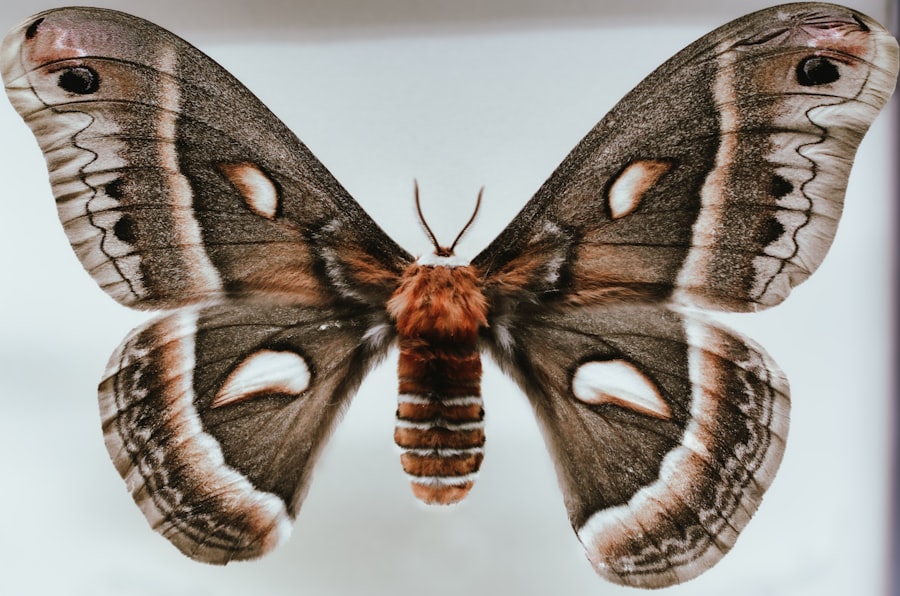
Addressing Cultural Beliefs and Superstitions
To be successful in implementing IPM practices, it is essential to address cultural beliefs and superstitions related to insect pests. You may find that engaging with communities through education and dialogue can help bridge the gap between traditional practices and modern techniques.
Incorporating Cultural Perspectives into IPM Programs
By incorporating cultural perspectives into IPM programs, you can create tailored solutions that resonate with local values. For example, you might work with community leaders to develop educational materials that explain the benefits of certain pest control methods while respecting traditional beliefs.
Empowering Communities through Collaboration
This collaborative approach not only enhances the effectiveness of pest management strategies but also empowers communities to take ownership of their pest control efforts.
The Role of Education and Awareness in Changing Cultural Beliefs and Superstitions
Education plays a vital role in reshaping cultural beliefs and superstitions surrounding insect pests. You may find that increasing awareness about the ecological roles of insects can help dispel myths and foster a more balanced perspective on pest management. By providing information about the benefits of certain insects—such as pollinators or natural predators—you can encourage communities to view them through a more nuanced lens.
Moreover, educational initiatives can help individuals understand the science behind modern pest control methods. When you equip people with knowledge about how specific strategies work and their potential benefits, you empower them to make informed decisions about pest management. This shift in understanding can lead to greater acceptance of integrated approaches that respect both cultural beliefs and scientific principles.
Balancing Cultural Beliefs and Superstitions with Effective Pest Control Practices
In conclusion, navigating the complex landscape of cultural beliefs and superstitions related to insect pests requires sensitivity and understanding. As you engage with communities on this topic, it becomes evident that these beliefs are not merely obstacles but also opportunities for collaboration and innovation in pest management. By recognizing the significance of cultural narratives while promoting effective pest control practices, you can foster a more harmonious relationship between people and their environment.
Ultimately, striking a balance between respecting cultural beliefs and implementing scientifically sound pest management strategies is essential for sustainable outcomes. As you work towards this goal, remember that education, dialogue, and community involvement are key components in bridging the gap between tradition and modernity. By embracing this holistic approach, you can contribute to more effective pest control practices that honor both cultural heritage and environmental health.
Are There Cultural Beliefs and Superstitions Related to Insect Pests, and How Do They Impact Control Practices? explores the influence of cultural beliefs and superstitions on pest control practices. This article delves into the ways in which different cultures perceive insect pests and how these perceptions can impact the methods used to control them. For more information on effective pest control services, check out the best pest control service in West Valley City, Utah, the best pest control service in Omaha, Nebraska, or