Symbiotic relationships are intricate connections between different species that can significantly influence the dynamics of ecosystems. These relationships can take various forms, including mutualism, commensalism, and parasitism, each characterized by the nature of the interaction and the benefits or detriments experienced by the organisms involved. As you delve into the world of symbiosis, you will discover how these interactions shape not only individual species but entire ecosystems, influencing biodiversity and ecological balance.
Understanding symbiotic relationships is crucial for grasping the complexities of nature. You may find it fascinating that these interactions can be both beneficial and detrimental, depending on the context and the species involved. For instance, while some relationships foster cooperation and mutual benefit, others can lead to exploitation and harm.
By exploring these dynamics, you can gain insights into how organisms coexist and adapt within their environments, revealing the delicate balance that sustains life on Earth.
Key Takeaways
- Symbiotic relationships play a crucial role in the balance of ecosystems.
- Pests serve important functions in ecosystems, such as controlling population sizes and providing food for other organisms.
- Mutualistic relationships between pests and other organisms can benefit both parties involved.
- Parasitic relationships between pests and other organisms can have detrimental effects on the host organism.
- Examples of fascinating symbiotic relationships include the mutualistic relationship between ants and aphids, and the parasitic relationship between parasitoid wasps and their hosts.
The Role of Pests in Ecosystems
Pests often carry a negative connotation, typically associated with destruction and disease. However, when you examine their role within ecosystems, you may find that they serve essential functions that contribute to ecological balance. Pests can be defined as organisms that cause harm to crops, livestock, or human health, but they also play a part in nutrient cycling and food webs.
For instance, many pests are decomposers that break down organic matter, returning vital nutrients to the soil and supporting plant growth. Moreover, pests can act as prey for various predators, thus maintaining population control within ecosystems. When you consider the interconnectedness of species, it becomes clear that pests are not merely nuisances; they are integral components of their habitats.
By understanding their ecological roles, you can appreciate the complexity of interactions that sustain life and recognize that even pests have a place in the grand tapestry of nature.
Mutualistic Relationships Between Pests and Other Organisms
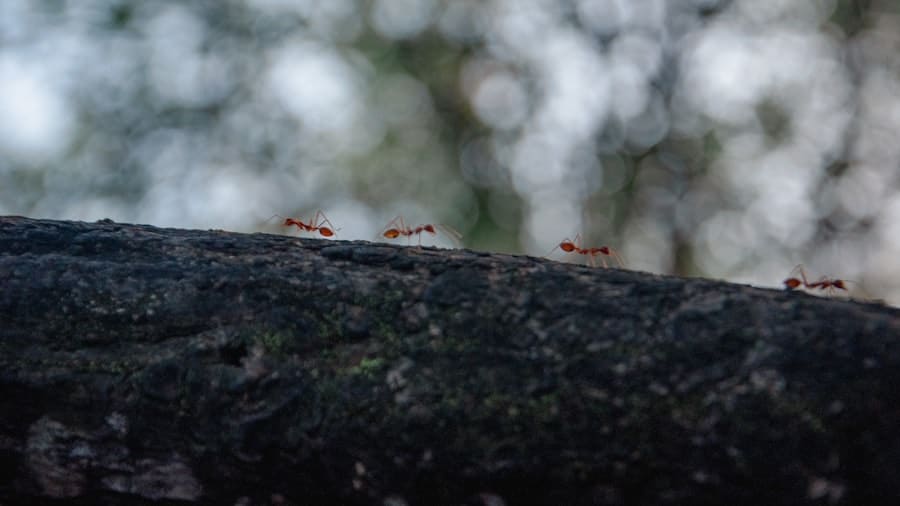
Mutualism is a type of symbiotic relationship where both species involved benefit from the interaction. In the context of pests, you might be surprised to learn that some pests engage in mutualistic relationships with other organisms. For example, aphids are known to produce honeydew, a sugary substance that attracts ants.
In return for this food source, ants protect aphids from predators and parasites. This relationship exemplifies how pests can contribute positively to their ecosystems while simultaneously benefiting from their interactions. Another fascinating example is found in the relationship between certain pests and plants.
Some insects, such as pollinators, play a crucial role in plant reproduction by transferring pollen from one flower to another. While these insects may be considered pests in agricultural settings due to their feeding habits, their role in pollination is invaluable for many crops. By recognizing these mutualistic relationships, you can appreciate how pests can enhance biodiversity and contribute to ecosystem resilience.
Parasitic Relationships Between Pests and Other Organisms
In contrast to mutualism, parasitism is a relationship where one organism benefits at the expense of another. Many pests fall into this category, as they often exploit their hosts for resources. For instance, parasitic wasps lay their eggs inside or on other insects, eventually leading to the host’s demise.
This relationship highlights the darker side of symbiosis, where one organism thrives while another suffers. Parasitic relationships can have significant implications for host populations and ecosystem dynamics. When you consider the impact of pests like these on agricultural systems or natural habitats, it becomes evident that they can disrupt food webs and lead to declines in host species.
Understanding these parasitic interactions is essential for developing effective pest management strategies that minimize harm while maintaining ecological balance.
Examples of Fascinating Symbiotic Relationships
The natural world is replete with captivating examples of symbiotic relationships that illustrate the complexity of interactions between pests and other organisms. One such example is the relationship between cleaner fish and larger marine animals. Cleaner fish remove parasites and dead skin from their hosts, benefiting from a food source while providing a service to their hosts.
This mutualistic interaction showcases how even small organisms can play significant roles in maintaining the health of larger species. Another intriguing example involves oxpeckers and large mammals like rhinos or buffaloes. Oxpeckers feed on ticks and other parasites found on their hosts’ skin.
In this case, both species benefit: the oxpeckers receive nourishment while the mammals enjoy relief from irritating pests. These examples highlight the diverse ways in which symbiotic relationships manifest in nature, emphasizing that even pests can contribute positively to their ecosystems.
The Impact of Symbiotic Relationships on Pest Control
Towards Sustainable Solutions
As you consider pest control options, it becomes clear that leveraging symbiotic relationships can lead to more effective and sustainable solutions.
How Symbiotic Relationships Can Affect Pest Management Strategies
When developing pest management strategies, it is essential to consider the role of symbiotic relationships in shaping pest populations and their interactions with other organisms. By understanding these dynamics, you can tailor your approaches to target specific pests while preserving beneficial species. For example, if you recognize that certain pests have mutualistic relationships with predators or parasitoids, you may choose to implement practices that enhance those beneficial populations rather than resorting to broad-spectrum pesticides.
Additionally, integrating knowledge of symbiotic relationships into pest management can lead to innovative solutions that promote ecological balance. You might explore techniques such as companion planting or habitat manipulation to encourage beneficial organisms while deterring harmful pests. By adopting a holistic perspective that considers the interconnectedness of species, you can develop more effective pest management strategies that align with natural processes.
The Potential for Utilizing Symbiotic Relationships in Pest Control
The potential for utilizing symbiotic relationships in pest control is vast and largely untapped. As you delve deeper into this field, you may uncover opportunities for harnessing these interactions to create innovative pest management solutions. For instance, researchers are exploring ways to enhance mutualistic relationships between plants and beneficial insects to improve crop resilience against pests.
One promising avenue involves using pheromones or other signaling mechanisms to attract natural enemies of pests while repelling harmful species. By manipulating these interactions, you can create an environment where beneficial organisms thrive while pest populations are kept in check. This approach not only reduces reliance on chemical interventions but also promotes biodiversity and ecosystem health.
Ethical Considerations in Utilizing Symbiotic Relationships for Pest Control
While the potential benefits of utilizing symbiotic relationships in pest control are significant, ethical considerations must guide your approach. As you explore this topic further, it is essential to weigh the potential consequences of manipulating natural systems for human benefit. For instance, introducing non-native species to control pests may lead to unintended ecological consequences that disrupt existing ecosystems.
Moreover, ethical pest management should prioritize sustainability and minimize harm to non-target species. As you develop strategies based on symbiotic relationships, consider the long-term implications for biodiversity and ecosystem health. Engaging with local communities and stakeholders can also help ensure that your approaches align with ethical principles and promote shared stewardship of natural resources.
The Future of Symbiotic Relationships in Pest Management
The future of pest management lies in embracing the complexities of symbiotic relationships within ecosystems. As research continues to uncover new insights into these interactions, you may find innovative solutions emerging that prioritize ecological balance over chemical interventions. Advances in technology and our understanding of ecological dynamics will likely pave the way for more effective pest management strategies that harness natural processes.
Furthermore, as awareness grows regarding the importance of biodiversity and ecosystem health, there is an increasing push toward sustainable practices in agriculture and pest management. By integrating knowledge of symbiotic relationships into your approaches, you can contribute to a future where pest control is not only effective but also harmonious with nature.
Exploring the Intricate Interactions Between Pests and Other Organisms
In conclusion, exploring the intricate interactions between pests and other organisms reveals a complex web of relationships that shape ecosystems. From mutualistic partnerships that enhance biodiversity to parasitic dynamics that challenge host populations, these interactions underscore the importance of understanding nature’s interconnectedness. As you reflect on this topic, consider how recognizing these relationships can inform more sustainable pest management strategies that prioritize ecological balance.
By embracing the potential of symbiotic relationships in pest control, you can contribute to a future where human needs align with environmental stewardship. The journey into the world of symbiosis offers valuable insights into how we can coexist with nature while addressing challenges posed by pests. Ultimately, fostering an appreciation for these intricate interactions will empower you to make informed decisions that benefit both people and the planet.
Are There Any Fascinating Symbiotic Relationships Between Pests and Other Organisms? explores the intricate connections between pests and other organisms in nature. For more information on how to effectively manage pests, check out the best pest control service in Honolulu, Hawaii. This article delves into the importance of professional pest control services in maintaining a healthy environment.
FAQs
What is a symbiotic relationship?
A symbiotic relationship is a close and long-term interaction between two different species. These interactions can be beneficial, harmful, or neutral for the organisms involved.
Are there any fascinating symbiotic relationships between pests and other organisms?
Yes, there are several fascinating symbiotic relationships between pests and other organisms. For example, certain species of ants protect and cultivate aphids, in return for the honeydew that the aphids produce. Additionally, some species of wasps lay their eggs inside pest insects, using them as hosts for their larvae.
How do these symbiotic relationships impact pest control?
These symbiotic relationships can impact pest control in various ways. For example, the presence of certain beneficial organisms, such as parasitic wasps, can help control pest populations naturally. On the other hand, some symbiotic relationships can make pest control more challenging, as the pests may have protective or supportive relationships with other organisms.
Can symbiotic relationships be used for pest management?
Yes, symbiotic relationships can be utilized for pest management. For example, certain beneficial organisms, such as nematodes or bacteria, can be used as biological control agents to target specific pest species. Additionally, understanding the complex interactions between pests and other organisms can help develop more effective and sustainable pest management strategies.