
In the realm of construction, the choice of building materials plays a pivotal role in determining the longevity and sustainability of structures. As you embark on your journey to create or renovate a space, understanding the significance of termite-resistant and environmentally friendly materials becomes essential. Termites, often referred to as “silent destroyers,” can wreak havoc on traditional building materials, leading to costly repairs and structural damage.
However, the emergence of innovative materials designed to withstand these pests while also being kind to the environment offers a promising solution. The growing awareness of environmental issues has prompted a shift in the construction industry towards more sustainable practices. You may find yourself increasingly drawn to materials that not only resist termites but also minimize ecological footprints.
This article will explore the impact of termites on traditional building materials, delve into alternative options that are both termite-resistant and environmentally friendly, and highlight the benefits and challenges associated with these choices. By the end, you will be equipped with valuable insights to make informed decisions for your building projects.
Key Takeaways
- Traditional building materials are susceptible to termite damage, leading to significant economic and environmental impact.
- Alternative termite-resistant building materials, such as steel, concrete, and certain types of wood, offer a more sustainable and environmentally friendly option.
- The use of alternative building materials can reduce the environmental impact of construction and contribute to sustainable development.
- Challenges in using alternative building materials include cost, availability, and resistance to other environmental factors.
- Innovations in termite-resistant and environmentally friendly building materials continue to drive the development of more sustainable construction options for the future.
The Impact of Termites on Traditional Building Materials
Vulnerability of Traditional Building Materials
Wood, a common choice for framing and finishing, is particularly vulnerable to termite infestations. Once termites establish a colony within a structure, they can cause extensive damage before their presence is even detected.
The Financial Implications of Termite Damage
The financial implications of termite damage can be staggering. Homeowners often face repair costs that can run into thousands of dollars, not to mention the potential decrease in property value.
The Long-Term Consequences of Using Traditional Materials
As you weigh your options, it’s important to consider not only the immediate costs but also the long-term implications of using traditional materials that may be susceptible to these pests. The need for regular treatments and inspections adds another layer of expense and inconvenience, making it clear that relying solely on conventional materials may not be the most prudent choice.
Traditional Termite-Resistant Building Materials and Their Environmental Impact
In response to the threat posed by termites, various traditional building materials have been developed with inherent resistance properties. Pressure-treated wood, for instance, is infused with chemical preservatives designed to deter termites and other pests. While this option may provide some level of protection, it often comes at a significant environmental cost.
The chemicals used in pressure treatment can leach into the soil and waterways, posing risks to both human health and local ecosystems. Another common approach is the use of concrete and steel in construction. These materials are naturally resistant to termites; however, their production processes are energy-intensive and contribute to greenhouse gas emissions.
As you consider these traditional options, it’s essential to weigh their effectiveness against their environmental impact. While they may offer short-term solutions for termite resistance, they often fail to align with sustainable building practices that prioritize ecological health.
Alternative Building Materials That Are Termite-Resistant
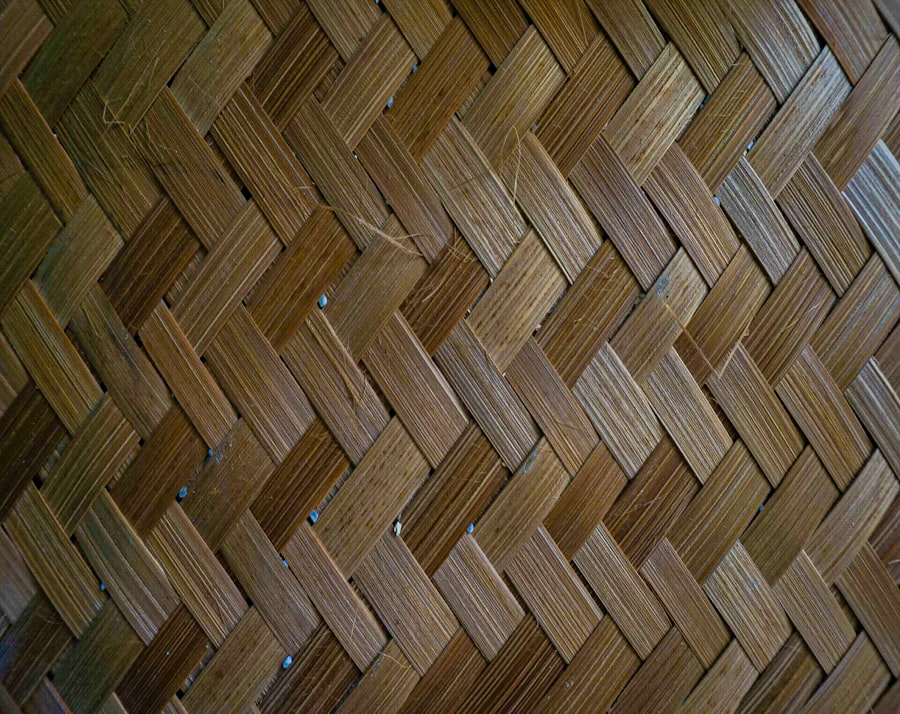
As you explore alternatives to traditional building materials, you will discover a range of innovative options that offer both termite resistance and environmental benefits. One such material is bamboo, which is not only strong and lightweight but also grows rapidly and requires minimal resources for cultivation. Its natural properties make it less appealing to termites, providing an effective barrier against infestations while promoting sustainable forestry practices.
Another promising alternative is recycled plastic lumber, which is made from post-consumer plastic waste. This material is impervious to termites and does not require chemical treatments, making it an eco-friendly choice for decking, fencing, and other outdoor applications. By opting for recycled plastic lumber, you contribute to reducing plastic waste while enjoying a durable and low-maintenance building material that stands up to the elements.
The Environmental Impact of Alternative Building Materials
When considering alternative building materials, it’s essential to evaluate their overall environmental impact. Bamboo, for instance, is not only renewable but also sequesters carbon dioxide as it grows, making it a carbon-negative option. Its cultivation requires less water compared to traditional timber sources, further enhancing its sustainability profile.
As you contemplate your building choices, bamboo stands out as an environmentally responsible material that aligns with modern ecological values. Recycled plastic lumber also presents significant environmental advantages. By repurposing plastic waste that would otherwise end up in landfills or oceans, this material helps mitigate pollution while conserving natural resources.
Additionally, its durability means that it requires less frequent replacement than traditional wood products, reducing the overall demand for new materials. As you weigh your options, consider how these alternative materials can contribute positively to both your project and the planet.
Benefits of Using Environmentally Friendly Building Materials
Healthier Living Environment
By choosing materials that are both termite-resistant and sustainable, you contribute to a healthier living environment for yourself and future generations. These materials often promote better indoor air quality by minimizing harmful emissions associated with conventional products.
Long-term Cost Savings
Moreover, utilizing eco-friendly materials can lead to long-term cost savings. While some alternative options may have higher upfront costs, their durability and low maintenance requirements often result in reduced expenses over time. Additionally, many environmentally friendly materials are designed with energy efficiency in mind, helping you save on utility bills while reducing your carbon footprint.
A Commitment to a Responsible Future
As you consider your choices, remember that investing in sustainable materials is not just a trend; it’s a commitment to a more responsible future.
Challenges and Limitations of Using Alternative Building Materials
Despite the numerous advantages of alternative building materials, there are challenges and limitations that you should be aware of as you plan your construction project. One significant hurdle is the availability of these materials in certain regions. Depending on where you live, sourcing eco-friendly options like bamboo or recycled plastic lumber may prove difficult or costly due to transportation expenses.
Additionally, some alternative materials may require specialized knowledge or skills for installation. If you’re working with contractors who are unfamiliar with these products, it could lead to complications during the construction process. As you navigate these challenges, it’s essential to conduct thorough research and engage with professionals who have experience in using alternative building materials effectively.
Case Studies of Successful Implementation of Alternative Building Materials
Examining real-world examples can provide valuable insights into the successful implementation of alternative building materials in construction projects. One notable case is a residential development in California that utilized bamboo as a primary building material. The project not only showcased the aesthetic appeal of bamboo but also highlighted its structural integrity and resistance to termites.
Homeowners reported lower maintenance costs and improved energy efficiency due to the natural insulating properties of bamboo. Another inspiring example comes from a community initiative in New York City that focused on using recycled plastic lumber for park benches and playground equipment. This project not only diverted plastic waste from landfills but also created durable outdoor spaces that required minimal upkeep.
By showcasing these successful implementations, you can gain confidence in the viability of alternative building materials for your own projects.
Innovations in Termite-Resistant and Environmentally Friendly Building Materials
The construction industry is continually evolving, with innovations emerging that enhance both termite resistance and environmental sustainability. One exciting development is the use of bio-based composites that combine natural fibers with resins derived from renewable resources. These composites offer excellent strength while being less appealing to termites compared to traditional wood products.
Additionally, advancements in nanotechnology have led to the creation of coatings that can be applied to existing structures to enhance their resistance to pests without compromising environmental integrity. These innovations represent a significant step forward in addressing the challenges posed by termites while promoting sustainable building practices. As you explore your options, keep an eye on these emerging technologies that could revolutionize your approach to construction.
Considerations for Choosing the Right Building Materials for Termite-Resistance and Environmental Friendliness
When selecting building materials for your project, several factors should guide your decision-making process. First and foremost, assess the specific environmental conditions of your location. Understanding local pest populations and climate factors will help you determine which termite-resistant materials are most suitable for your needs.
Next, consider the lifecycle impact of the materials you choose. Look for options that minimize resource consumption during production and offer durability over time. Additionally, prioritize materials that can be sourced locally or have low transportation footprints to further reduce environmental impact.
By taking these considerations into account, you can make informed choices that align with both your project goals and sustainability objectives.
Conclusion and Future Outlook for Termite-Resistant and Environmentally Friendly Building Materials
As you reflect on the importance of termite-resistant and environmentally friendly building materials, it’s clear that the future of construction lies in innovation and sustainability. The challenges posed by termites can no longer be ignored; however, by embracing alternative materials and practices, you can create structures that are resilient against pests while also being kind to the planet. The ongoing advancements in material science promise exciting possibilities for eco-conscious builders like yourself.
As awareness grows around environmental issues and pest management strategies evolve, you will find an increasing array of options at your disposal. By prioritizing termite resistance alongside environmental friendliness in your building projects, you contribute not only to your own well-being but also to a more sustainable future for generations to come.
If you are looking for ways to protect your home from termites while also being environmentally conscious, you may want to consider exploring alternative building materials. One article that may be of interest is “Best Pest Control Service in San Diego, California”, which discusses the importance of using eco-friendly pest control methods to protect your home from termite damage. By combining termite-resistant building materials with sustainable pest control practices, you can create a more environmentally friendly living space.
FAQs
What are alternative building materials?
Alternative building materials are non-traditional materials that can be used for construction, often with the aim of reducing environmental impact or improving sustainability. These materials can include recycled or renewable resources, as well as innovative new materials.
What are some termite-resistant alternative building materials?
Some termite-resistant alternative building materials include steel, concrete, stone, and certain types of treated wood. Additionally, some newer materials such as bamboo, recycled plastic lumber, and composite materials are also being developed with termite resistance in mind.
What are environmentally friendly building materials?
Environmentally friendly building materials are those that have a reduced impact on the environment compared to traditional materials. This can include materials that are sustainably sourced, have a lower carbon footprint, are recyclable, or are made from renewable resources.
Are there alternative building materials that are both termite-resistant and environmentally friendly?
Yes, there are alternative building materials that are both termite-resistant and environmentally friendly. For example, bamboo is a renewable resource that is naturally termite-resistant and can be used for construction. Additionally, certain types of recycled plastic lumber and composite materials are designed to be both termite-resistant and environmentally friendly.