
When you think of pests that can invade your home, termites might not be the first creatures that come to mind. However, these small insects can wreak havoc on your property, especially if they establish a colony in your yard. Termites are often referred to as “silent destroyers” because they can cause significant damage before you even realize they are present.
Understanding the nature of these pests and their potential impact on your home is crucial for any homeowner. Termites thrive in warm, moist environments, making your yard an ideal habitat for them. They feed primarily on cellulose, which is found in wood, paper, and other plant materials.
This means that any wooden structures in your yard, such as fences, decks, or even trees, can become a target for these voracious eaters. As you delve deeper into the world of termites, you’ll discover the importance of vigilance and proactive measures to protect your property from these destructive insects.
Key Takeaways
- Termites are small insects that can cause significant damage to wooden structures in the yard.
- Signs of termite infestation include mud tubes, discarded wings, and hollow-sounding wood.
- Potential damage caused by termites includes structural weakening of buildings and wooden furniture.
- Termites can decrease property value and make it difficult to sell a home.
- Termite infestations can pose health and safety risks, especially for those with allergies or asthma.
Signs of Termite Infestation
Identifying Mud Tubes
One of the most common indicators of a termite infestation is the presence of small tunnels made from soil and wood particles that termites use to travel between their nest and food sources. If you notice these tubes along the foundation of your home or on wooden structures in your yard, it’s a clear sign that termites are nearby.
Discarded Wings: A Sign of Swarmers
Another telltale sign of a termite infestation is the presence of discarded wings. Swarmers, or reproductive termites, often leave behind their wings after mating. If you find these wings scattered around your yard or near windows and doors, it may indicate that a colony is nearby.
Other Signs of Infestation
Additionally, you might notice hollow-sounding wood when you tap on it or small piles of frass (termite droppings) near infested areas. Being aware of these signs can help you take action before the situation escalates.
Potential Damage Caused by Termites
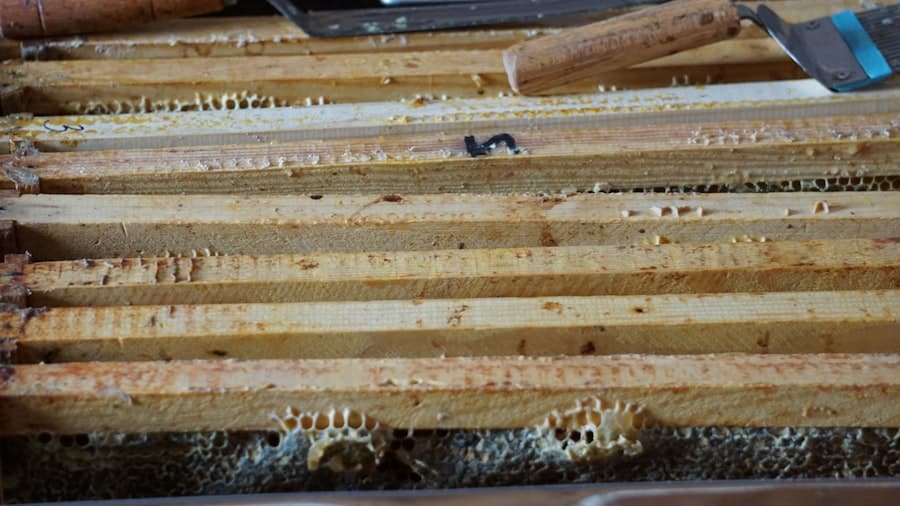
The damage caused by termites can be extensive and costly. These pests can compromise the structural integrity of your home by feeding on wooden beams, floor joists, and other critical components. Over time, this can lead to sagging floors, warped walls, and even collapse in severe cases.
The longer you wait to address a termite problem, the more damage they can inflict, resulting in expensive repairs that could have been avoided with early intervention. In addition to structural damage, termites can also affect other areas of your property. For instance, they may target wooden fences, decks, and outdoor furniture, leading to costly replacements.
Even trees in your yard can fall victim to these pests if they are weakened by termite activity. Understanding the potential damage termites can cause emphasizes the importance of regular inspections and prompt action if you suspect an infestation.
Risks to Property Value
Termite infestations can significantly impact your property value. If you are planning to sell your home, potential buyers will likely be wary of any signs of termite damage or infestation. A history of termite problems can lead to lower offers or even deter buyers altogether.
In many cases, homes with a known termite issue may require extensive repairs before they can be sold at market value. Moreover, if a buyer discovers termite damage during a home inspection, it could lead to negotiations that favor the buyer or even cause the sale to fall through entirely. To protect your investment and maintain your property’s value, it is essential to address any termite issues promptly and keep thorough records of pest control measures taken.
Risks to Health and Safety
While termites are not known to pose direct health risks to humans, their presence can lead to indirect health concerns. For example, if termites compromise the structural integrity of your home, it could create unsafe living conditions. A weakened structure may lead to accidents or injuries if floors or walls collapse unexpectedly.
Additionally, the moisture problems associated with termite infestations can contribute to mold growth in your home. Mold can have serious health implications, particularly for individuals with respiratory issues or allergies. By addressing termite infestations promptly, you not only protect your property but also safeguard the health and safety of everyone living in your home.
Identifying Different Types of Termites
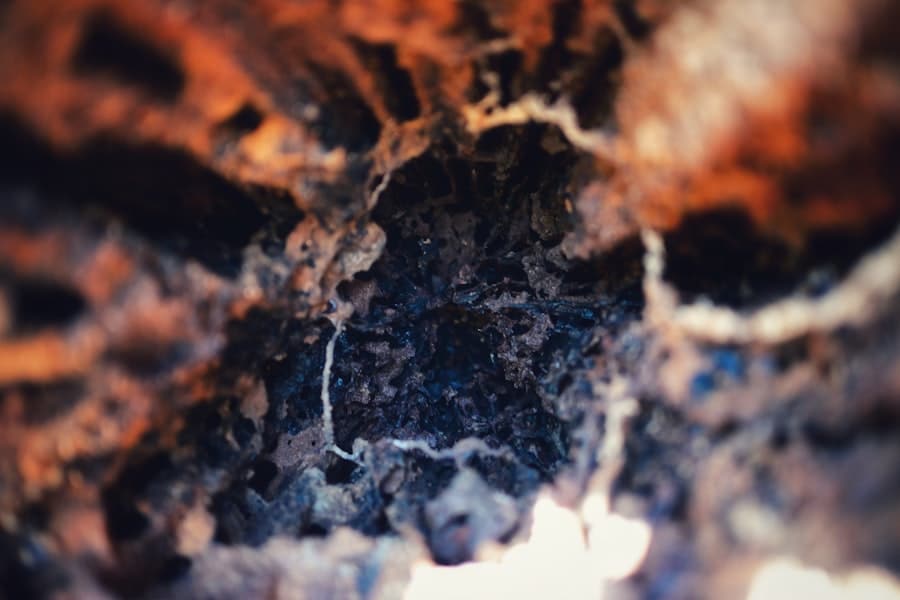
Understanding the different types of termites is crucial for effective management and control. The three main types are subterranean termites, drywood termites, and dampwood termites. Subterranean termites are the most common and are known for their underground colonies.
They typically enter homes through cracks in the foundation and are often responsible for significant structural damage. Drywood termites, on the other hand, do not require contact with soil and can infest dry wood directly. They often create colonies within wooden structures and furniture, making them harder to detect until significant damage has occurred.
Dampwood termites thrive in moist environments and are usually found in decaying wood or areas with high humidity levels. Identifying which type of termite is present in your yard can help determine the best course of action for control and prevention.
Prevention and Control Measures
Preventing termite infestations requires a proactive approach. One effective measure is to eliminate moisture sources around your property. Ensure that gutters are clean and functioning properly to direct water away from your home’s foundation.
Additionally, fix any leaks in plumbing or irrigation systems that could create damp conditions conducive to termite activity. Another important step is to maintain a barrier between soil and wood. This can be achieved by using concrete or metal supports for wooden structures like decks and fences.
Regularly inspect wooden elements in your yard for signs of damage or decay and replace any compromised materials promptly. By taking these preventive measures, you can significantly reduce the risk of termite infestations.
Hiring Professional Pest Control Services
When dealing with a termite infestation, hiring professional pest control services can be a wise decision. Pest control experts have the knowledge and experience necessary to identify the extent of an infestation and implement effective treatment strategies tailored to your specific situation. They can also provide valuable advice on preventive measures to keep termites at bay in the future.
Professional services often use advanced techniques and products that are not available to the average homeowner. This includes specialized treatments such as baiting systems or liquid barriers that can effectively eliminate termite colonies. While there may be an upfront cost associated with hiring professionals, the long-term savings from preventing further damage make it a worthwhile investment.
DIY Methods for Termite Control
If you prefer a hands-on approach to pest control, there are several DIY methods you can try to manage termite populations in your yard. One common method involves using nematodes—microscopic worms that feed on termites—by introducing them into areas where you suspect termite activity. This natural solution can help reduce termite numbers without harmful chemicals.
Another option is to create homemade bait stations using cardboard soaked in a sugar-water solution to attract termites. Once they feed on the bait, you can dispose of it along with the termites it attracts. However, while DIY methods can be effective for minor infestations, they may not be sufficient for larger problems.
Always assess the severity of the infestation before deciding on a DIY approach.
Environmental Impact of Termite Infestation
Termites play a vital role in ecosystems by breaking down dead wood and recycling nutrients back into the soil. However, when they invade residential areas, their impact shifts from beneficial to destructive. An unchecked termite infestation can lead to significant environmental consequences as trees and plants die off due to their feeding habits.
Moreover, the use of chemical treatments for termite control can also have environmental implications. Pesticides may harm beneficial insects and disrupt local ecosystems if not applied carefully. Therefore, it’s essential to consider both effective pest control methods and their potential environmental impact when dealing with termite issues.
Conclusion and Recommendations for Dealing with Termites in the Yard
In conclusion, dealing with termites in your yard requires vigilance and proactive measures to protect your property from potential damage. By understanding the signs of infestation and recognizing the risks associated with these pests, you can take appropriate action before problems escalate. Regular inspections and maintenance are key components in preventing infestations from taking hold.
Whether you choose to hire professional pest control services or explore DIY methods for managing termites, being informed about different types of termites and their behaviors will empower you to make better decisions regarding pest management. Ultimately, taking steps now will help ensure that your yard remains a safe and healthy environment for years to come.
If you are worried about termites in your yard, you may also be interested in learning about the latest smart tech solutions for pest control in the digital age. This article discusses how technology can help keep your home bug-free. Additionally, if you are looking for the best pest control service in Phoenix, Arizona, you can check out this resource for more information. And if you find yourself dealing with a pest infestation, this guide can help you navigate through the process.
FAQs
What are termites?
Termites are small, pale insects that feed on wood and can cause significant damage to wooden structures.
Are termites in the yard a cause for concern?
Yes, termites in the yard can be a cause for concern as they can potentially infest and damage wooden structures in and around your home.
How can I tell if there are termites in my yard?
Signs of termites in the yard include mud tubes on the exterior of the home, discarded termite wings, and hollow-sounding wood.
What should I do if I find termites in my yard?
If you find termites in your yard, it is important to contact a professional pest control company to assess the situation and recommend a course of action.
How can I prevent termites in my yard?
To prevent termites in your yard, it is important to keep woodpiles away from the home, eliminate moisture sources, and have regular inspections by a pest control professional.