
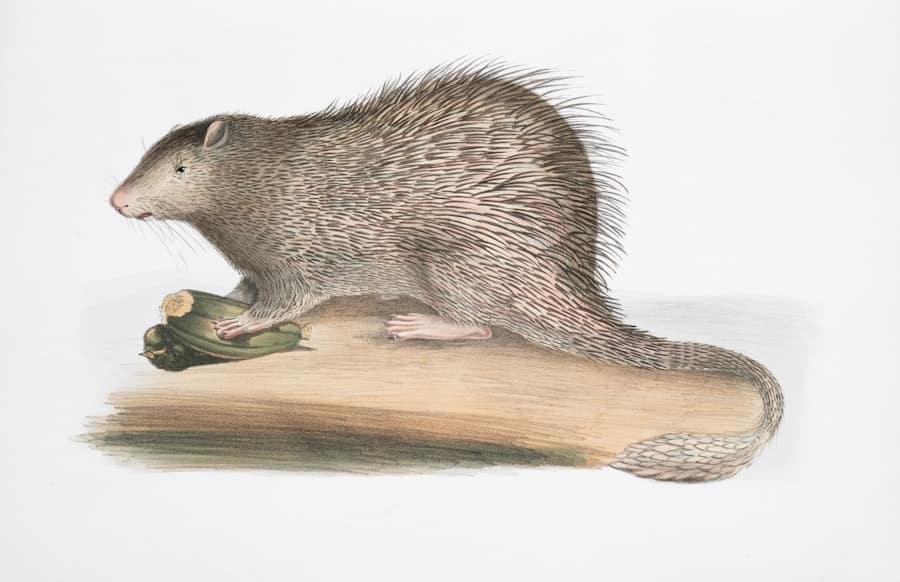
To truly appreciate the unique characteristics of porcupines and hedgehogs, you must first delve into their biology and behavior. Porcupines, belonging to the rodent family, are known for their distinctive quills, which serve as a defense mechanism against predators. These quills are not just sharp; they are barbed, making them difficult to remove once embedded in the skin of an attacker.
You might find it fascinating that porcupines are primarily nocturnal, spending their nights foraging for leaves, fruits, and bark. Their slow-moving nature often leads them to rely on their quills for protection rather than fleeing from danger. On the other hand, hedgehogs are small, spiny mammals that belong to the Erinaceidae family.
Unlike porcupines, hedgehogs have a more rounded body shape and are covered in stiff spines rather than long quills. When threatened, they curl into a tight ball, using their spines as a shield against predators. You may be surprised to learn that hedgehogs are also nocturnal and have a diet that consists mainly of insects, worms, and small invertebrates.
Understanding these differences not only enriches your knowledge but also helps you appreciate the ecological roles these creatures play in their respective environments.
Key Takeaways
- Porcupines and hedgehogs are both nocturnal animals with sharp quills for defense.
- Porcupines prefer wooded areas with trees and shrubs, while hedgehogs prefer grassy areas with access to insects and water.
- To avoid encounters, keep your pets on a leash and be mindful of your surroundings, especially at night.
- If you or your pet gets quilled, seek medical attention immediately to prevent infection and further injury.
- To create a porcupine and hedgehog-friendly environment, avoid using pesticides and provide natural shelters and food sources.
Identifying Porcupine and Hedgehog Habitats:
When it comes to identifying the habitats of porcupines and hedgehogs, you need to consider the specific environmental conditions that each species prefers. Porcupines are typically found in wooded areas, where they can easily access their preferred food sources like tree bark and leaves. They often make their homes in trees or rocky crevices, providing them with shelter from predators and harsh weather conditions.
If you’re exploring a forested area, keep an eye out for signs of porcupine activity, such as gnawed tree bark or quills left behind. In contrast, hedgehogs thrive in a variety of habitats, including gardens, grasslands, and woodlands. They prefer areas with plenty of cover, such as dense shrubs or piles of leaves, which provide them with protection from predators.
If you’re trying to spot a hedgehog in the wild, look for signs like small burrows or droppings that indicate their presence. Understanding these habitat preferences can enhance your outdoor experiences and help you appreciate the natural world around you.
Avoiding Porcupine and Hedgehog Encounters:
If you’re venturing into areas where porcupines and hedgehogs are known to roam, it’s essential to take precautions to avoid unwanted encounters. One effective strategy is to remain vigilant and aware of your surroundings. Porcupines are often found near trees or in dense underbrush, while hedgehogs may be spotted in gardens or grassy areas.
By keeping your eyes peeled for movement or signs of these animals, you can minimize the chances of surprising them. Another important aspect of avoiding encounters is to keep your pets on a leash during walks in areas where these creatures might be present. Dogs, in particular, may be curious and approach porcupines or hedgehogs out of instinct.
This curiosity can lead to painful encounters with quills or spines. By maintaining control over your pet’s movements, you can help ensure both their safety and that of the wildlife around you.
Handling Porcupine and Hedgehog Quills:
If you find yourself in a situation where you or your pet has come into contact with porcupine or hedgehog quills, it’s crucial to know how to handle the situation properly. First and foremost, remain calm. Panicking can exacerbate the situation and make it more difficult to address the injury.
If it’s your pet that has been injured, assess the extent of the quill penetration. If the quills are superficial and easily accessible, you may be able to remove them yourself using a pair of pliers or tweezers. However, if the quills are deeply embedded or if there are multiple quills present, it’s best to seek veterinary assistance.
Attempting to remove them without proper knowledge can lead to further injury or infection. For hedgehog spines, while they are less likely to cause severe harm compared to porcupine quills, they can still be painful if embedded in skin. In such cases, gentle removal is key, but again, if there’s any doubt about how to proceed, consulting a professional is always advisable.
Protecting Your Pets from Porcupine and Hedgehog Encounters:
As a pet owner, safeguarding your furry friends from potential encounters with porcupines and hedgehogs is paramount. One effective way to do this is by creating a secure outdoor environment for your pets. Fencing can be an excellent deterrent against wildlife intrusion while allowing your pets to enjoy the outdoors safely.
Ensure that any gaps or holes in your fencing are sealed off to prevent curious animals from entering your yard. Additionally, consider training your pets to respond to commands that keep them away from wildlife. Teaching commands like “leave it” or “come” can be invaluable when you’re out on walks or exploring nature together.
Reinforcing these commands through positive reinforcement will help your pets learn to respect boundaries and avoid potentially dangerous encounters with porcupines and hedgehogs.
Treating Porcupine and Hedgehog Quill Injuries:
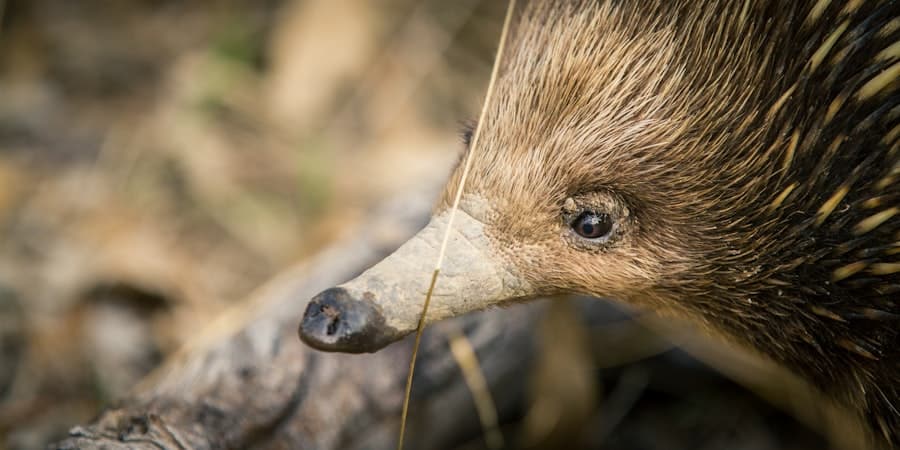
If you or your pet has sustained injuries from porcupine or hedgehog quills, prompt treatment is essential for preventing infection and ensuring proper healing. Start by carefully inspecting the affected area for any visible quills or spines. If you see any protruding from the skin, use sterilized tweezers or pliers to grasp the base of the quill firmly and pull it out in the direction it entered.
It’s important not to twist or jerk the quill out, as this can break it off beneath the skin. After removing the quills, clean the wound thoroughly with soap and water to reduce the risk of infection. Applying an antiseptic ointment can also help promote healing.
Keep an eye on the injury over the next few days for any signs of infection, such as redness or swelling. If you notice any concerning symptoms or if multiple quills were involved, don’t hesitate to seek medical attention for further evaluation and treatment.
Creating a Porcupine and Hedgehog-Friendly Environment:
If you’re interested in fostering a welcoming environment for porcupines and hedgehogs in your backyard or garden, there are several steps you can take. Start by planting native vegetation that provides food sources for these animals. For porcupines, consider planting trees like birch or maple that offer bark for them to gnaw on.
For hedgehogs, creating a diverse habitat with shrubs and wildflowers will attract insects that serve as their primary food source. Additionally, providing shelter can encourage these creatures to take up residence in your yard. You might build small brush piles or leave areas of your garden undisturbed to create natural hiding spots for hedgehogs.
For porcupines, leaving fallen logs or creating rock piles can offer safe havens where they can rest during the day. By taking these steps, you not only contribute to local biodiversity but also enjoy the presence of these fascinating animals in your own backyard.
Respecting Porcupines and Hedgehogs in the Wild:
Respecting porcupines and hedgehogs in their natural habitats is crucial for their conservation and well-being. When observing these animals in the wild, maintain a safe distance to avoid causing them stress or fear. Remember that both species have unique defense mechanisms; approaching too closely may provoke defensive behavior that could lead to injury for both you and the animal.
Moreover, refrain from feeding wild porcupines or hedgehogs as this can disrupt their natural foraging behaviors and lead to dependency on human-provided food sources. Instead, appreciate their presence by observing them from afar and allowing them to thrive in their natural environment. By respecting their space and understanding their needs, you contribute positively to their survival while enriching your own experience in nature.
If you’re looking for the best pest control service in Amarillo, Texas, look no further than Thrift Pest Control. Their team of experts can help you deal with prickly pests like porcupines and hedgehogs in a safe and effective manner. In a related article, “Outsmarting Nature: A Modern Approach to Pest Control,” they discuss innovative methods for managing pest populations without harming the environment. Whether you’re in Amarillo or Boston, Massachusetts, Thrift Pest Control has the solutions you need to keep your home pest-free.
FAQs
What are porcupines and hedgehogs?
Porcupines and hedgehogs are both small, spiny mammals known for their unique defensive quills. They belong to different families and have distinct physical characteristics, but they share the common trait of using their quills for protection.
Where do porcupines and hedgehogs live?
Porcupines are found in various regions across the Americas, Africa, and Asia, while hedgehogs are native to Europe, Asia, and Africa. Both species have adapted to a range of habitats, including forests, grasslands, and deserts.
What do porcupines and hedgehogs eat?
Porcupines are herbivores, feeding on a diet of leaves, twigs, and bark. Hedgehogs are omnivores, consuming a mix of insects, small vertebrates, fruits, and plants. Both species have specialized diets that suit their respective ecological roles.
How do porcupines and hedgehogs defend themselves?
Porcupines have sharp, barbed quills that they can raise and use as a defense mechanism. When threatened, they may also lash out with their quill-covered tails. Hedgehogs, on the other hand, curl into a tight ball, presenting a barrier of spines to deter predators.
Are porcupines and hedgehogs dangerous to humans?
Both porcupines and hedgehogs are generally not aggressive towards humans, but their quills can cause painful injuries if handled improperly. It’s important to observe these animals from a safe distance and avoid attempting to touch or handle them.
How can people coexist with porcupines and hedgehogs?
To coexist with porcupines and hedgehogs, it’s important to understand their behavior and habitat needs. This may involve taking measures to prevent conflicts, such as securing trash to avoid attracting wildlife, and creating wildlife-friendly landscapes that provide suitable habitat for these animals.