
Wildlife conservation is a critical aspect of maintaining the delicate balance of our ecosystems. As you delve into this topic, you will discover that every species plays a unique role in its environment, contributing to the overall health and stability of the ecosystem. The loss of even a single species can have cascading effects, leading to the decline of other species and the degradation of habitats.
By understanding the importance of wildlife conservation, you can appreciate the intricate web of life that sustains our planet and recognize your role in preserving it. Moreover, wildlife conservation is not just about protecting animals; it encompasses the preservation of entire ecosystems, including plants, water sources, and soil health. When you engage in conservation efforts, you are also safeguarding the resources that humans rely on for survival.
Clean air, fresh water, and fertile land are all products of healthy ecosystems. By prioritizing wildlife conservation, you are ensuring that future generations will inherit a world rich in biodiversity and natural beauty.
Key Takeaways
- Wildlife conservation is important for maintaining biodiversity and ecological balance
- Pest control can have negative impacts on wildlife, such as through the use of harmful chemicals
- Balancing pest control with wildlife conservation requires careful consideration and planning
- Eco-friendly pest control methods can help minimize harm to wildlife
- Creating wildlife-friendly habitats and integrating natural predators can help control pests while supporting wildlife
The Impact of Pest Control on Wildlife
Unintended Consequences
Birds, beneficial insects, and even mammals can be affected by these toxic substances, leading to declines in their populations and disrupting local ecosystems. Additionally, the use of pesticides can lead to bioaccumulation, where toxins build up in the food chain.
The Devastating Cycle
As you learn more about this process, you will realize that small organisms absorb these chemicals, which are then consumed by larger predators. This cycle can result in significant health issues for wildlife, including reproductive problems and increased mortality rates.
Informed Decision-Making
Understanding these impacts is crucial for making informed decisions about pest control methods that prioritize both human needs and wildlife conservation.
Balancing Pest Control with Wildlife Conservation
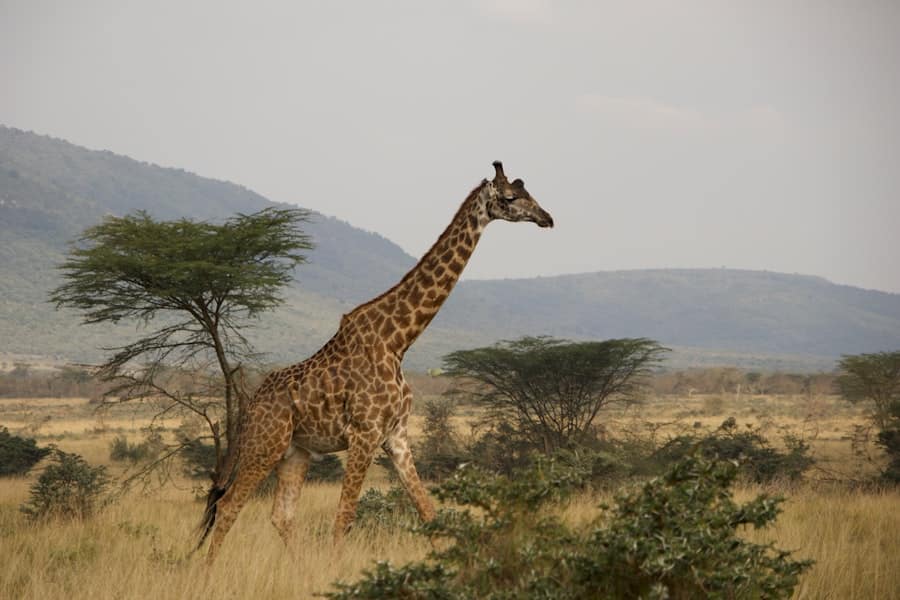
Finding a balance between effective pest control and wildlife conservation is a challenge that requires careful consideration and innovative solutions. As you explore this balance, you will discover that it is possible to manage pests while minimizing harm to wildlife. Integrated Pest Management (IPM) is one approach that emphasizes the use of multiple strategies to control pests while reducing reliance on chemical pesticides.
This method encourages you to assess pest populations and their impact before implementing control measures. In your quest for balance, it is also essential to consider the long-term effects of pest control practices on local wildlife populations. By adopting a holistic approach that includes habitat preservation and restoration, you can create an environment where both humans and wildlife can thrive.
This may involve planting native vegetation that supports beneficial insects or creating buffer zones around agricultural areas to protect wildlife habitats. By prioritizing coexistence, you can contribute to a healthier ecosystem while still addressing pest issues.
Implementing Eco-Friendly Pest Control Methods
As you seek eco-friendly pest control methods, you will find a variety of options that minimize harm to wildlife while effectively managing pest populations. One popular approach is the use of organic pesticides derived from natural sources. These products are often less toxic to non-target species and can be effective in controlling pests without causing significant harm to the environment.
Another method worth exploring is the use of physical barriers and traps. By employing techniques such as row covers or insect nets, you can protect your plants from pests without resorting to chemicals. Additionally, introducing beneficial insects like ladybugs or lacewings can help keep pest populations in check naturally.
As you implement these eco-friendly methods, you will not only protect wildlife but also contribute to a more sustainable approach to pest management.
Creating Wildlife-Friendly Habitats
Creating wildlife-friendly habitats is an essential step in promoting biodiversity and supporting local ecosystems. As you embark on this journey, consider incorporating native plants into your landscape. Native species are adapted to local conditions and provide food and shelter for various wildlife, including pollinators, birds, and small mammals.
By cultivating a diverse range of plants, you can create an inviting environment for these creatures while enhancing the beauty of your surroundings. In addition to planting native vegetation, think about incorporating features such as water sources and nesting sites into your habitat design. Birdhouses, bat boxes, and small ponds can attract various species and provide them with essential resources for survival.
As you create these habitats, remember that even small changes can have a significant impact on local wildlife populations. By fostering an environment that supports biodiversity, you contribute to the overall health of your ecosystem.
Integrating Natural Predators for Pest Control
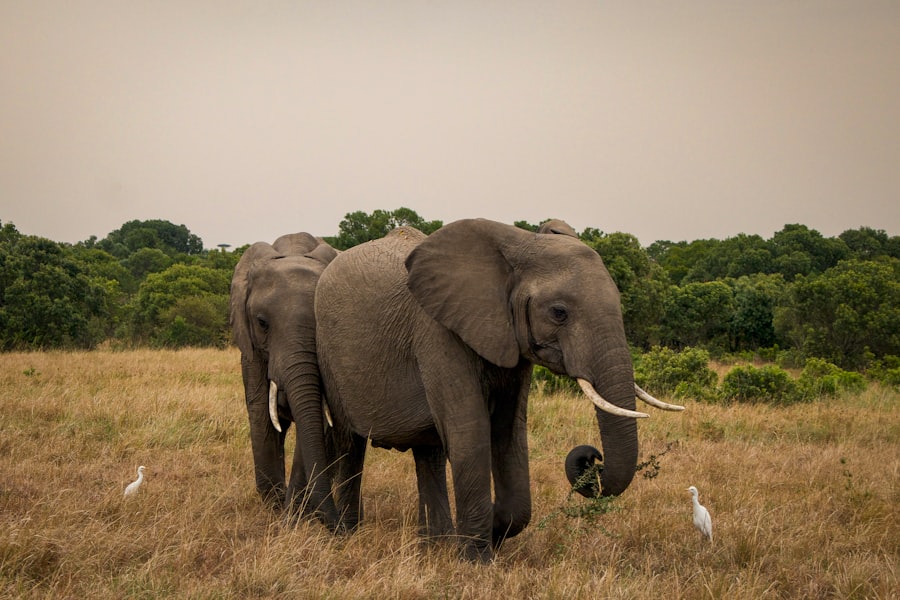
Integrating natural predators into your pest control strategy is an effective way to manage pest populations while promoting wildlife conservation. As you explore this method, consider how certain animals can help keep pests in check without the need for chemical interventions. For example, birds such as sparrows and wrens feed on insects, while bats consume vast quantities of moths and beetles each night.
To attract these natural predators to your garden or agricultural area, you can create habitats that support their needs. Planting native flowers that provide nectar for pollinators can also attract insectivorous birds. Additionally, providing roosting sites for bats or installing birdhouses can encourage these beneficial species to take up residence nearby.
By fostering a diverse ecosystem that includes natural predators, you can effectively manage pests while supporting wildlife conservation efforts.
Educating the Community on Pest Control and Wildlife Conservation
Education plays a vital role in promoting awareness about the relationship between pest control and wildlife conservation within your community. As you engage with others on this topic, consider organizing workshops or informational sessions that highlight the importance of sustainable pest management practices. By sharing knowledge about eco-friendly methods and their benefits for both humans and wildlife, you can inspire others to adopt similar approaches.
Additionally, collaborating with local schools or community organizations can amplify your efforts. Developing educational materials or programs that focus on the significance of biodiversity and the impact of pest control on wildlife can foster a sense of responsibility among community members. As more people become informed about these issues, they will be better equipped to make choices that support both effective pest management and wildlife conservation.
Finding Professional Pest Control Services with a Focus on Wildlife Conservation
When seeking professional pest control services, it is essential to choose companies that prioritize wildlife conservation in their practices. As you research potential providers, look for those that emphasize Integrated Pest Management (IPM) techniques and eco-friendly solutions. Many companies now offer services that focus on minimizing environmental impact while effectively managing pest populations.
In your search for a suitable provider, consider asking questions about their methods and commitment to wildlife conservation. A reputable company should be willing to discuss their approach and provide information about the products they use. By selecting a pest control service that aligns with your values regarding wildlife conservation, you can ensure that your pest management efforts contribute positively to the environment while effectively addressing your needs.
In conclusion, understanding the importance of wildlife conservation is crucial as we navigate the challenges posed by pest control. By balancing effective pest management with eco-friendly practices and fostering awareness within our communities, we can create a harmonious relationship between humans and wildlife. Through thoughtful actions—such as creating wildlife-friendly habitats and integrating natural predators—we can contribute to a healthier ecosystem for all living beings on our planet.
If you are interested in learning more about pest control services in different regions, you may want to check out this article on the best pest control service in Phoenix, Arizona. It provides valuable information on how to effectively manage pests in a desert climate.
FAQs
What is the relationship between pest control and wildlife conservation?
Pest control and wildlife conservation are interconnected because the methods used for pest control can have an impact on local wildlife populations. Finding a balance between managing pests and protecting wildlife is important for maintaining a healthy ecosystem.
How can pest control methods affect wildlife conservation?
Some pest control methods, such as the use of chemical pesticides, can harm non-target species and disrupt the natural food chain. Additionally, habitat modification for pest control purposes can also impact the habitats of local wildlife.
What are some ways to find harmony between pest control and wildlife conservation in your habitat?
Integrated Pest Management (IPM) techniques, which focus on using a combination of methods to control pests while minimizing harm to the environment, can help find a balance between pest control and wildlife conservation. This can include using natural predators, habitat modification, and targeted pesticide use.
Why is it important to consider wildlife conservation when implementing pest control measures?
Considering wildlife conservation when implementing pest control measures is important for maintaining biodiversity and the overall health of the ecosystem. Protecting wildlife habitats and minimizing harm to non-target species is crucial for a sustainable and balanced environment.