
Chipmunks are small, lively rodents that belong to the Sciuridae family, which also includes squirrels. You may have encountered these charming creatures in your backyard or local park, often darting about with their characteristic stripes and bushy tails. With their playful antics and curious nature, chipmunks can be a delightful sight, but they also come with their own set of challenges.
Understanding these creatures is essential for anyone who wishes to coexist peacefully with them, especially if you find them frequenting your property. These little mammals are primarily found in North America, where they inhabit a variety of environments, from forests to suburban gardens. Chipmunks are known for their distinctive appearance, featuring a series of stripes running down their backs and a small size that makes them easily recognizable.
They are primarily diurnal, meaning they are active during the day, which allows you to observe their behavior as they scurry about in search of food. While they may seem harmless, chipmunks can sometimes become a nuisance, particularly when they invade gardens or burrow into your yard. Understanding their behavior and habits is crucial for managing any potential issues they may cause.
Key Takeaways
- Chipmunks are small, striped rodents that are commonly found in North America and Asia.
- Chipmunks are known for their burrowing behavior and their tendency to hoard food.
- Chipmunks can cause damage to property by burrowing under foundations, patios, and walkways.
- Deterrents for chipmunks include using repellents, sealing off entry points, and keeping the yard clean and free of food sources.
- Natural ways to keep chipmunks away include planting mint, daffodils, and garlic, and using predator urine or hair around the yard.
Understanding Chipmunk Behavior
To effectively manage chipmunks on your property, it’s important to understand their behavior and lifestyle. Chipmunks are known for their foraging habits; they primarily feed on seeds, nuts, fruits, and insects. You might notice them gathering food and storing it in their cheek pouches, which they later transport to their burrows for safekeeping.
This behavior not only helps them survive during the colder months but also contributes to the dispersal of seeds, playing a vital role in the ecosystem. In addition to their foraging habits, chipmunks are territorial creatures. They establish burrows that serve as both homes and storage spaces for food.
These burrows can be quite complex, featuring multiple entrances and chambers. If you have chipmunks on your property, you may find evidence of their burrowing activities in your garden or lawn. Understanding these behaviors can help you identify when chipmunks are becoming a problem and allow you to take appropriate action before they cause significant damage.
The Impact of Chipmunks on Your Property
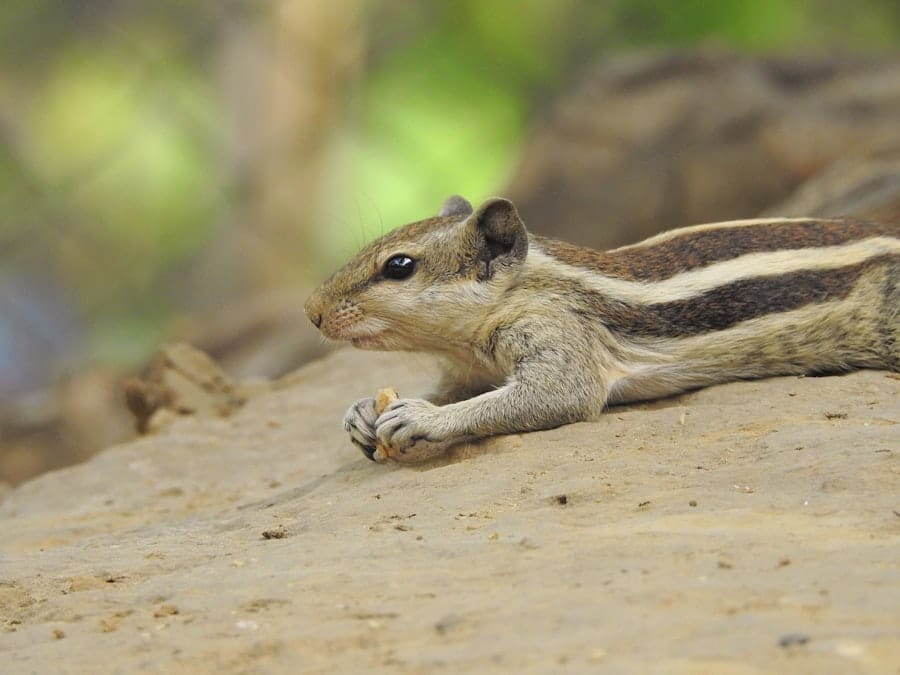
While chipmunks can be entertaining to watch, they can also pose challenges for homeowners. One of the most common issues is their tendency to dig up gardens and flower beds in search of food. If you’ve noticed your plants being uprooted or your bulbs disappearing, it’s possible that chipmunks are the culprits.
Their burrowing activities can also lead to unsightly holes in your lawn, which can be frustrating if you take pride in maintaining a pristine outdoor space. Moreover, chipmunks can attract other pests to your property. Their food storage habits may inadvertently invite larger animals such as raccoons or squirrels, which can lead to further complications.
Additionally, if chipmunks establish a burrow near your home’s foundation, it could potentially compromise the structural integrity of your property over time. Understanding the impact of chipmunks on your property is essential for taking proactive measures to mitigate any potential damage.
Deterrents for Chipmunks
If you’re looking to keep chipmunks at bay, there are several deterrents you can employ. One effective method is to create physical barriers around your garden or flower beds. Installing fencing that extends underground can prevent chipmunks from burrowing into your prized plants.
Make sure the fence is at least 12 inches deep and tall enough to deter them from climbing over it. Another deterrent involves using repellents that emit scents unpleasant to chipmunks. Commercially available sprays or granules can be applied around your garden to create an unwelcoming environment for these rodents.
Additionally, planting certain herbs or flowers that chipmunks dislike—such as marigolds or mint—can help keep them away from your garden while adding beauty to your landscape.
Natural Ways to Keep Chipmunks Away
If you prefer a more natural approach to keeping chipmunks at bay, there are several strategies you can implement without resorting to chemicals or traps. One effective method is to maintain a clean yard by regularly removing fallen fruits, nuts, and seeds that may attract chipmunks. By eliminating their food sources, you can discourage them from visiting your property.
Another natural deterrent involves using predator scents. Sprinkling cayenne pepper or placing used cat litter around your garden can create an environment that feels unsafe for chipmunks. Additionally, introducing natural predators—such as owls or hawks—can help control the chipmunk population in your area.
Installing owl boxes or birdhouses can encourage these birds of prey to take up residence nearby, providing a natural balance in the ecosystem.
Trapping and Removing Chipmunks

If chipmunks have become a persistent problem despite your best efforts at deterrence, trapping may be necessary. Live traps are a humane option that allows you to capture chipmunks without harming them. When setting traps, place them near burrow entrances or areas where you’ve noticed chipmunk activity.
Bait the traps with appealing foods such as sunflower seeds or peanut butter to increase your chances of success. Once captured, it’s important to relocate the chipmunks responsibly. Check local regulations regarding wildlife relocation in your area, as some regions have specific guidelines on where you can release trapped animals.
Ideally, you should transport them at least several miles away from your property to prevent them from returning. Remember that trapping should be considered a last resort after other deterrent methods have been exhausted.
Professional Help for Chipmunk Infestations
In cases where chipmunk populations have become overwhelming or if you’re uncomfortable handling the situation yourself, seeking professional help may be the best course of action. Pest control experts have the knowledge and tools necessary to assess the extent of the infestation and implement effective strategies for removal and prevention. When hiring a professional service, ensure they use humane methods for dealing with wildlife.
A reputable pest control company will not only address the immediate issue but also provide guidance on how to prevent future infestations through habitat modification and exclusion techniques. This collaborative approach ensures that you can enjoy your outdoor space without the worry of unwanted visitors.
Living in Harmony with Chipmunks
Ultimately, living in harmony with chipmunks requires a balance between appreciating their role in the ecosystem and managing their impact on your property. By understanding their behavior and implementing effective deterrents, you can create an environment that minimizes conflicts while still allowing these charming creatures to thrive. As you navigate the challenges posed by chipmunks, remember that they are an integral part of the natural world around you.
With patience and proactive measures, you can coexist peacefully with these delightful rodents while protecting your garden and home from potential damage. Embracing this coexistence not only enriches your experience as a homeowner but also contributes to the overall health of your local ecosystem.
If you’re looking for the best pest control service in Anaheim, California, look no further than Thrift Pest Control. Their expert technicians can help you understand and deter not only chipmunks but a variety of pests that may be invading your home. Additionally, if you’re interested in utilizing smart tech solutions for a bug-free home, check out this article for more information. And for those in New York, New York, Thrift Pest Control also offers the best pest control service in the area, as highlighted in this article.
FAQs
What are chipmunks?
Chipmunks are small, striped rodents belonging to the Sciuridae family, which also includes squirrels and marmots. They are known for their distinctive stripes and cheek pouches, and are commonly found in North America and Asia.
What do chipmunks eat?
Chipmunks are omnivores and their diet consists of a variety of foods including nuts, seeds, fruits, insects, and even small vertebrates. They are known to store food in their burrows for the winter months.
Where do chipmunks live?
Chipmunks are typically found in wooded areas, forests, and grasslands. They create elaborate burrow systems with multiple entrances and chambers for nesting, food storage, and hibernation.
How can chipmunks be deterred from gardens and homes?
There are several methods to deter chipmunks from gardens and homes, including using physical barriers such as fencing or mesh, removing potential food sources, and using repellents or traps. It’s important to use humane methods and to check local regulations before attempting to remove chipmunks.
Are chipmunks considered pests?
While chipmunks are generally considered cute and harmless, they can become pests when they cause damage to gardens, lawns, and structures. Their burrowing activities can also pose a risk to foundations and landscaping.
Do chipmunks carry diseases?
Chipmunks can carry diseases such as Lyme disease and plague, although the risk of transmission to humans is relatively low. It’s still important to take precautions when handling chipmunks or their nesting materials.
What is the lifespan of a chipmunk?
In the wild, chipmunks typically live for 2-3 years, although some may live up to 5 years. In captivity, they can live for up to 8 years.
Do chipmunks hibernate?
Yes, chipmunks are known to hibernate during the winter months. They enter a state of torpor, where their body temperature and metabolic rate decrease to conserve energy.