
To effectively manage chipmunks, it’s essential to understand their behavior and habits. Chipmunks are small, striped rodents belonging to the squirrel family, and they are known for their energetic and curious nature. You may often spot them darting across your yard or scurrying up trees, their cheeks stuffed with food.
These little creatures are primarily active during the day, foraging for seeds, nuts, and fruits. Their diet is diverse, which makes them adaptable to various environments, from forests to suburban gardens. By understanding their feeding patterns and social behaviors, you can better anticipate their movements and take appropriate measures to deter them.
Chipmunks are also known for their burrowing habits. They create extensive tunnel systems underground, which serve as both a food storage area and a safe haven from predators. If you observe small holes in your garden or yard, it’s likely that chipmunks have made themselves at home.
They are territorial animals and often establish a home range that they defend against intruders. This territorial behavior can lead to conflicts with other chipmunks, especially during mating season. By recognizing these patterns, you can gain insight into how to manage their presence in your space effectively.
Key Takeaways
- Chipmunks are small, agile rodents that are active during the day and are known for their burrowing and foraging behaviors.
- Signs of chipmunk infestation include burrows, small holes in the ground, and damage to gardens or bird feeders.
- Natural deterrents for chipmunks include planting mint, garlic, or daffodils, as well as using predator urine or ammonia-soaked rags.
- Physical barriers such as wire mesh, fences, and tree guards can help keep chipmunks away from gardens and other areas.
- Trapping and removing chipmunks can be done using live traps and relocating them to a suitable habitat away from human dwellings.
Identifying Signs of Chipmunk Infestation
Recognizing the signs of a chipmunk infestation is crucial for taking timely action. One of the most common indicators is the presence of small holes in the ground, typically about two inches in diameter. These holes often lead to burrows where chipmunks store food and seek shelter.
If you notice these holes in your garden or near your home’s foundation, it’s a clear sign that chipmunks are nearby. Additionally, you might find disturbed soil or piles of dirt around these entrances, indicating recent activity. Another sign of chipmunk presence is their droppings, which resemble small pellets and can be found scattered around their burrows or feeding areas.
You may also notice chewed-up plants, seeds, or nuts in your garden, as chipmunks are notorious for raiding gardens and bird feeders. If you hear rustling noises in the bushes or see quick movements out of the corner of your eye, it’s likely that chipmunks are foraging nearby. By being vigilant and observing these signs, you can determine whether you need to take action against a potential infestation.
Natural Deterrents for Chipmunks
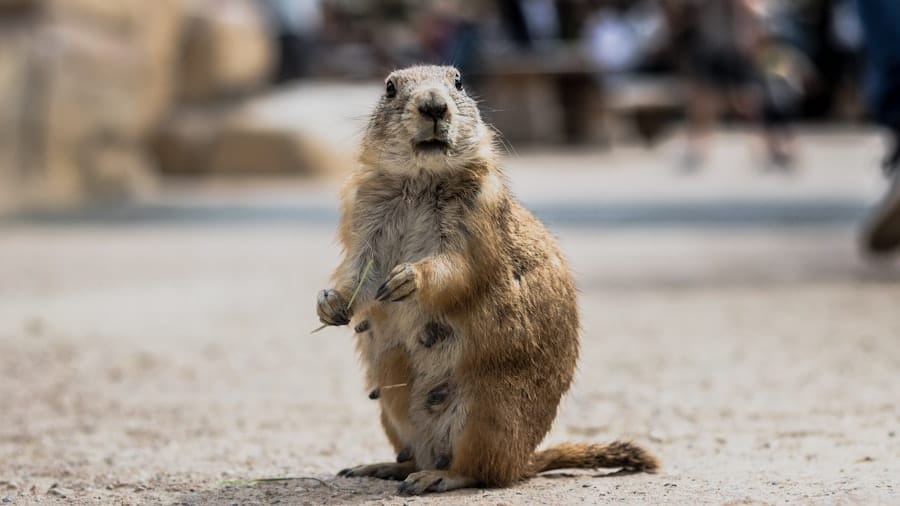
If you prefer a more eco-friendly approach to managing chipmunks, there are several natural deterrents you can employ. One effective method is to use strong-smelling substances that chipmunks find unappealing. For instance, sprinkling cayenne pepper or crushed red pepper flakes around your garden can deter these critters due to their sensitive noses.
You might also consider using garlic powder or vinegar as natural repellents; both have strong odors that can keep chipmunks at bay. Another natural deterrent involves planting certain herbs and flowers that chipmunks dislike. For example, marigolds and mint are known to repel these rodents while adding beauty to your garden.
By incorporating these plants into your landscaping, you can create an environment that is less inviting to chipmunks. Additionally, maintaining a tidy garden by removing fallen fruits and nuts can help reduce the food sources that attract them in the first place.
Physical Barriers to Keep Chipmunks Away
Creating physical barriers is one of the most effective ways to keep chipmunks out of your garden or yard. Fencing is a popular option; however, it’s important to choose the right type of fence. A wire mesh fence that is at least 3 feet high and buried about a foot underground can prevent chipmunks from digging underneath it.
Ensure that the mesh openings are small enough to keep these small rodents from squeezing through. In addition to fencing, consider using raised garden beds with solid bottoms to protect your plants from chipmunk damage. This method not only keeps chipmunks out but also provides better drainage for your plants.
You might also use netting or mesh covers over specific plants or areas where chipmunks tend to forage. By implementing these physical barriers, you can create a more secure environment for your garden while minimizing the chances of a chipmunk infestation.
Trapping and Removing Chipmunks
If natural deterrents and physical barriers fail to keep chipmunks away, trapping may be necessary for removal. When choosing traps, opt for humane live traps that allow you to capture chipmunks without harming them. Place these traps near burrow entrances or areas where you’ve noticed significant activity.
Bait the traps with appealing foods such as sunflower seeds or peanut butter to increase your chances of success. Once you’ve captured a chipmunk, it’s important to relocate it responsibly. Check local regulations regarding wildlife relocation in your area, as some places have specific guidelines on where you can release captured animals.
Ideally, you should take the chipmunk at least several miles away from your home to prevent it from returning. After trapping and relocating, ensure that you seal any entry points around your home to prevent future infestations.
Repellents for Chipmunk Control

In addition to natural deterrents, there are commercial repellents available specifically designed for chipmunk control. These products often contain ingredients that emit strong odors or tastes that are unpleasant to chipmunks but safe for other wildlife and pets. When using repellents, be sure to follow the manufacturer’s instructions carefully for optimal results.
You might also consider using ultrasonic repellents that emit high-frequency sounds inaudible to humans but irritating to rodents like chipmunks. These devices can be effective in keeping chipmunks away from your property without causing harm. However, it’s important to note that results may vary depending on the individual animal’s behavior and adaptability.
Working with Professionals for Chipmunk Control
If your efforts to manage chipmunks prove unsuccessful or if the infestation is particularly severe, it may be time to consult with pest control professionals. These experts have the knowledge and tools necessary to assess the situation accurately and implement effective strategies for removal and prevention. When choosing a pest control service, look for companies that specialize in humane wildlife management practices.
Professionals can provide valuable insights into the behavior of chipmunks and recommend tailored solutions based on your specific circumstances. They may also offer ongoing monitoring services to ensure that your property remains free from future infestations. By working with experts, you can save time and effort while ensuring a more comprehensive approach to managing chipmunks.
Preventing Future Chipmunk Infestations
Once you’ve successfully dealt with a chipmunk infestation, it’s crucial to take proactive steps to prevent future occurrences. Start by regularly inspecting your property for potential entry points where chipmunks could gain access. Seal any cracks or gaps in your home’s foundation and around windows and doors to eliminate potential entryways.
Additionally, maintaining a clean outdoor space is essential in deterring chipmunks from returning. Regularly clean up fallen fruits, nuts, and seeds from bird feeders and gardens, as these food sources attract them. Consider implementing some of the natural deterrents and physical barriers discussed earlier as ongoing preventive measures.
By staying vigilant and proactive, you can create an environment that discourages chipmunks from making your property their home again. In conclusion, managing chipmunks requires a combination of understanding their behavior, identifying signs of infestation, and employing various control methods. Whether you choose natural deterrents, physical barriers, trapping techniques, or professional assistance, being proactive will help ensure that your property remains free from these energetic little rodents in the future.
If you are struggling with nuisance chipmunks, you may want to consider hiring a professional pest control service to help you effectively manage the situation. One option to explore is the best pest control service in St. Petersburg, Florida. This article highlights the top-rated pest control company in the area, offering insights into their services and customer reviews. By enlisting the help of experts, you can ensure that your chipmunk problem is addressed efficiently and safely.
FAQs
What are nuisance chipmunks?
Nuisance chipmunks are chipmunks that cause damage to property or become a nuisance by digging up gardens, burrowing under structures, or raiding bird feeders.
Why do chipmunks become a nuisance?
Chipmunks become a nuisance when they seek out food sources in human-inhabited areas, such as gardens, bird feeders, and trash cans. They may also cause damage by burrowing under structures like porches and sheds.
How can you control nuisance chipmunks?
There are several methods to control nuisance chipmunks, including using live traps, repellents, exclusion techniques, and habitat modification. It’s important to check local regulations before attempting to control chipmunks, as they may be protected in some areas.
Are there humane ways to control nuisance chipmunks?
Yes, there are humane ways to control nuisance chipmunks, such as using live traps and releasing them in a suitable habitat away from human-inhabited areas.
What are some natural repellents for chipmunks?
Natural repellents for chipmunks include predator urine, such as that of foxes or coyotes, as well as strong-smelling substances like garlic and peppermint oil.
How can you prevent chipmunks from becoming a nuisance?
Prevent chipmunks from becoming a nuisance by keeping bird feeders out of reach, sealing off potential entry points to structures, and keeping outdoor areas clean and free of food sources.