
When you step into your yard, the last thing you want to encounter is evidence of animal damage. However, recognizing the signs early can save you from more extensive problems down the line. You might notice unusual holes in your garden beds or chewed-up plants that seem to have been nibbled on overnight.
These signs can indicate a variety of culprits, from rabbits to raccoons, each leaving their unique mark on your landscape. Look closely at the ground; if you see tracks or droppings, you may be able to identify the specific animal responsible for the destruction. In addition to physical damage, auditory clues can also help you pinpoint the intruder.
If you hear rustling in the bushes or nocturnal sounds like scratching or chattering, it’s a good indication that wildlife is nearby. Pay attention to the time of day these noises occur; many animals are more active during dawn and dusk. By combining visual and auditory observations, you can create a clearer picture of what’s happening in your yard and take appropriate action to mitigate any further damage.
Key Takeaways
- Identifying the Culprit: Signs of Animal Damage
- Common Yard Pests: A Guide to Nuisance Animals
- Damage Assessment: Understanding the Impact on Your Yard
- Prevention and Deterrents: Keeping Unwanted Visitors at Bay
- Seeking Professional Help: When to Call in the Experts
Common Yard Pests: A Guide to Nuisance Animals
As you delve deeper into the world of yard pests, you’ll find that some animals are more common than others. Squirrels, for instance, are notorious for raiding bird feeders and digging up bulbs. Their playful antics can be entertaining, but their destructive behavior can quickly become a nuisance.
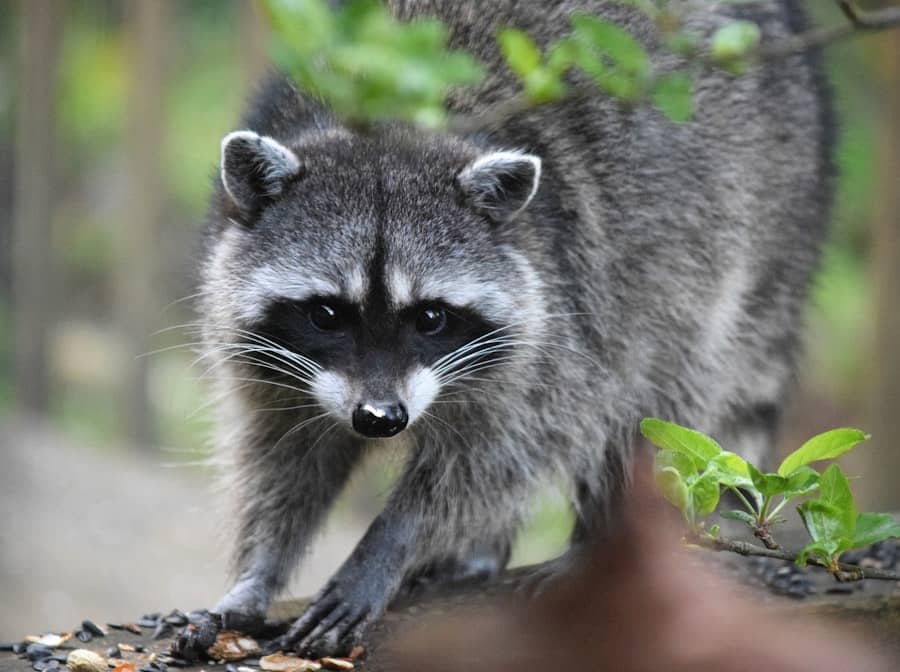
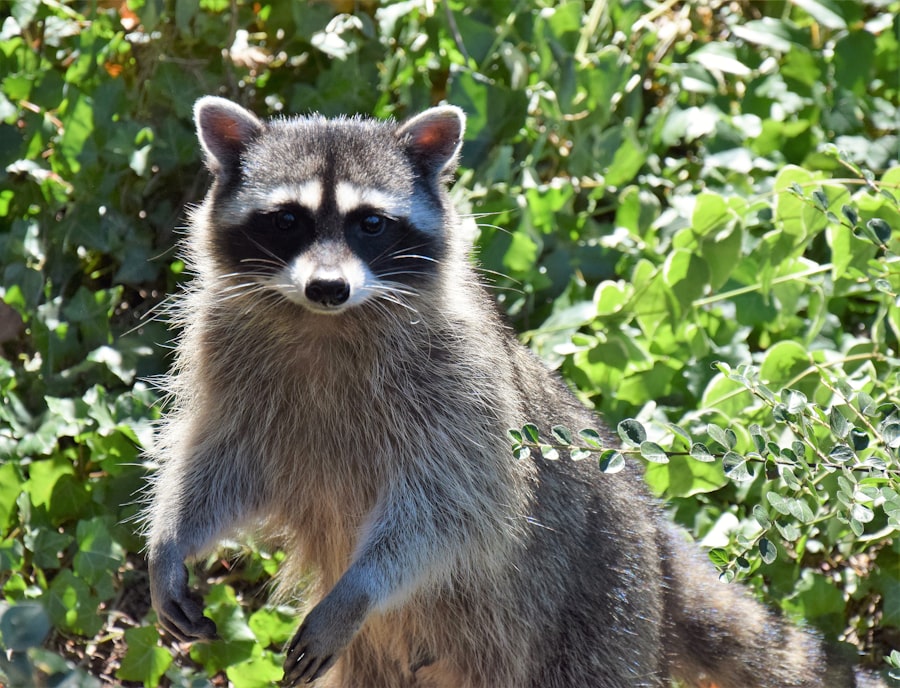
Similarly, raccoons are clever scavengers that often rummage through trash cans and can wreak havoc on gardens, especially if they discover a tasty treat. Another common offender is the deer, which can devastate your flower beds and vegetable gardens in a single night. Their preference for tender shoots and leaves means that if you have a garden filled with these plants, you may find yourself in a constant battle to protect your hard work.
Additionally, rabbits and groundhogs can be particularly troublesome, as they tend to munch on a wide variety of plants, leaving behind a trail of destruction. Understanding these common pests will help you devise effective strategies for managing their presence in your yard.
Damage Assessment: Understanding the Impact on Your Yard
Once you’ve identified the signs of animal damage, it’s crucial to assess the extent of the impact on your yard. Take a walk around your property and evaluate which areas have been affected. Are there large patches of grass that have been uprooted?
Have your prized flowers been nibbled down to stubs? By cataloging the damage, you can prioritize which areas need immediate attention and which can wait. Consider not only the aesthetic impact but also the potential long-term effects on your garden’s health.
Some animals may not only destroy plants but also disturb the soil, leading to erosion or compaction issues. If you notice that certain plants are repeatedly targeted, it may indicate that they are particularly vulnerable or appealing to local wildlife. Understanding these dynamics will help you make informed decisions about how to restore your yard effectively.
Prevention and Deterrents: Keeping Unwanted Visitors at Bay
Preventing animal damage is often more effective than trying to repair it after the fact. Start by implementing physical barriers such as fences or netting around vulnerable areas of your garden. A well-constructed fence can deter larger animals like deer and raccoons, while smaller mesh netting can protect delicate plants from birds and rabbits.
Ensure that any fencing is tall enough and buried deep enough to prevent burrowing animals from getting underneath. In addition to physical barriers, consider using natural deterrents to keep unwanted visitors at bay. Certain scents, such as those from predator urine or strong-smelling herbs like lavender and mint, can discourage animals from entering your space.
You might also explore motion-activated sprinklers or noise devices that startle animals when they approach your garden. By combining various prevention methods, you can create an environment that is less inviting to pests while still allowing beneficial wildlife to thrive.
Seeking Professional Help: When to Call in the Experts
While many homeowners can manage minor animal issues on their own, there are times when it’s best to call in professionals. If you find yourself overwhelmed by persistent pests or if the damage is extensive, seeking expert help can save you time and frustration. Wildlife control specialists have the training and tools necessary to handle various situations safely and humanely.
Additionally, if you’re dealing with larger animals or those that pose a risk to your safety, such as snakes or aggressive raccoons, it’s wise to leave it to the experts. They can assess the situation accurately and implement effective removal strategies without putting you or your family at risk. Remember that professional help can also provide valuable insights into long-term prevention strategies tailored specifically for your yard.
Legal Considerations: Dealing with Protected Wildlife
As you navigate the challenges of animal damage in your yard, it’s essential to be aware of legal considerations regarding wildlife protection. Many species are protected by law, meaning that certain actions—such as trapping or relocating them—may be illegal without proper permits. Before taking any drastic measures, familiarize yourself with local regulations regarding wildlife management in your area.
Understanding these laws not only helps you avoid legal trouble but also encourages responsible coexistence with wildlife. In many cases, there are humane solutions available that allow you to manage nuisance animals without harming them. Consulting with local wildlife agencies or organizations can provide guidance on how to handle specific situations while adhering to legal requirements.
Reclaiming Your Yard: Steps to Repair and Restore Damaged Areas
After addressing the immediate issues caused by animal damage, it’s time to focus on reclaiming your yard. Start by assessing which plants can be salvaged and which need replacing. For damaged areas of grass or soil, consider reseeding or replanting with resilient varieties that are less appealing to local wildlife.
This not only restores the beauty of your yard but also strengthens its defenses against future invasions. In addition to replanting, take steps to improve soil health through composting or adding organic matter. Healthy soil supports robust plant growth and can make your garden less susceptible to pests in the future.
As you work on restoring your yard, consider incorporating native plants that are better adapted to your local ecosystem and less likely to attract unwanted visitors.
Living in Harmony: Coexisting with Wildlife in Your Yard
Ultimately, finding a balance between maintaining your yard and coexisting with wildlife is key to a harmonious outdoor space. Embrace the idea that not all wildlife is harmful; many creatures play essential roles in pollination and pest control. By creating a welcoming environment for beneficial species while managing nuisance animals effectively, you can enjoy a vibrant yard that thrives alongside nature.
Consider implementing features like birdhouses or butterfly gardens that attract helpful wildlife while deterring more destructive species. Educating yourself about local fauna will also enhance your appreciation for the natural world around you. By fostering an understanding of how different species interact within your yard, you can cultivate a space that is both beautiful and ecologically balanced, allowing you to enjoy nature without compromising your garden’s integrity.
If you are dealing with pests ruining your yard, you may want to consider hiring the best pest control service in New Orleans, Louisiana. This article from Thrift Pest Control offers valuable insights and solutions to help you tackle the issue effectively. Additionally, you can explore innovative approaches to pest control beyond bug spray by checking out this article on Thrift Pest Control. These resources can provide you with the information and tools needed to protect your yard from unwanted animal intruders.
FAQs
What are some common animals that can ruin a yard?
Some common animals that can ruin a yard include moles, voles, gophers, rabbits, deer, and raccoons.
How can I identify which animal is ruining my yard?
You can identify which animal is ruining your yard by examining the type of damage they are causing. For example, moles create raised tunnels in the ground, while rabbits may chew on plants and gophers create mounds of dirt.
What are some ways to prevent animals from ruining my yard?
Some ways to prevent animals from ruining your yard include installing fencing, using repellents, removing attractants such as food sources, and using traps or deterrents.
Are there any natural methods to deter animals from ruining my yard?
Yes, there are natural methods to deter animals from ruining your yard, such as planting certain types of plants that repel animals, using predator urine or hair, and creating barriers with natural materials like rocks or thorny bushes.
When should I consider contacting a professional to deal with the animal ruining my yard?
You should consider contacting a professional to deal with the animal ruining your yard if the damage is extensive, if you are unsure of the best course of action, or if the animal causing the damage is protected by law.