
When you find yourself sharing your home or garden with unwanted animals, it can be both alarming and frustrating. The first step in addressing this issue is to accurately identify the intruders. You may notice signs such as droppings, gnaw marks, or even the sounds of scurrying at night.
Common culprits include rodents like mice and rats, as well as raccoons, squirrels, and various insects. Each of these animals can pose different risks to your health and property, making it essential to recognize who you are dealing with. Understanding the specific behaviors and habits of these unwanted animals can also help you determine the best course of action.
For instance, rodents are often attracted to food sources and nesting materials, while raccoons are notorious for rummaging through trash. By observing their patterns, you can gain valuable insights into how they are entering your space and what might be attracting them. This knowledge will empower you to take effective measures to reclaim your environment.
Key Takeaways
- Identifying unwanted animals in your space is the first step to addressing the problem, whether it’s rodents, insects, or larger wildlife.
- Prevention is key to keeping unwanted animals out, including sealing entry points, removing attractants, and maintaining a clean environment.
- When removing unwanted animals, it’s important to use humane methods that prioritize the safety and well-being of the animals.
- Simple DIY solutions like using repellents, traps, and natural deterrents can be effective in getting rid of unwanted animals.
- Knowing when to call in professional help for animal removal is crucial, especially for larger infestations or dangerous wildlife.
- Understanding the legal considerations surrounding animal removal is important to ensure compliance with local regulations and ethical practices.
- Implementing strategies to prevent future infestations, such as regular maintenance and addressing attractants, can help in dealing with repeat offenders.
- Creating a welcoming environment for desirable wildlife and discouraging unwanted animals involves landscaping choices, habitat modifications, and removing food sources.
Prevention is Key: Tips for Keeping Unwanted Animals Out
Sealing Entry Points
Start by sealing any cracks or gaps in your home’s exterior. Mice can squeeze through openings as small as a dime, so it’s crucial to inspect your foundation, windows, and doors for potential entry points. Use caulk or weather stripping to close these gaps, ensuring that your home is less inviting to intruders.
Managing Food Sources
In addition to sealing entry points, consider how you manage food sources around your property. Store pet food in airtight containers and ensure that garbage bins are securely closed. If you have a garden, be mindful of how you compost or dispose of organic waste, as this can attract a variety of animals.
Reducing the Likelihood of Infestation
By taking these simple yet effective steps, you can significantly reduce the likelihood of unwanted animals making themselves at home in your space.
Humane Removal Methods: How to Safely and Ethically Remove Unwanted Animals
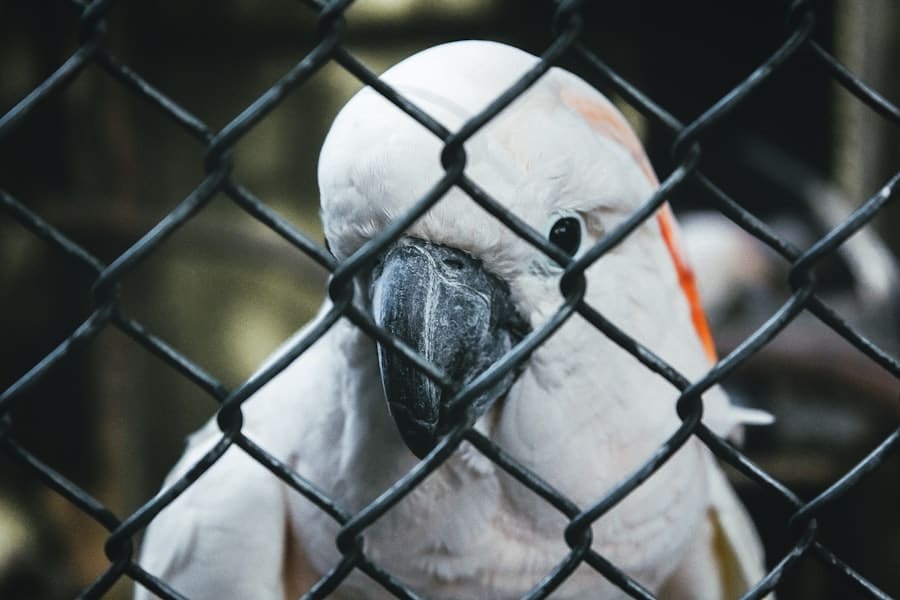
If you’ve already found unwanted animals in your space, it’s important to approach their removal with care and compassion. Humane removal methods prioritize the well-being of the animals while effectively addressing the problem. One popular method is the use of live traps, which allow you to capture the animal without causing harm.
Once trapped, you can relocate the animal to a suitable environment far from your home. Another humane approach involves using repellents that deter animals without causing them harm. These can include natural substances like peppermint oil or commercial products designed specifically for this purpose.
By employing these methods, you not only resolve your immediate issue but also contribute to a more ethical approach to wildlife management.
DIY Solutions: Simple Techniques for Getting Rid of Unwanted Animals
If you’re inclined to tackle the problem yourself, there are several DIY solutions that can help you manage unwanted animals effectively. One common technique is creating barriers using fencing or netting, particularly for gardens or outdoor spaces. This physical barrier can prevent animals from accessing areas where they might cause damage or consume your plants.
Additionally, consider using natural deterrents that are safe for both humans and pets. For example, sprinkling cayenne pepper around entry points can deter rodents due to its strong scent. Similarly, planting certain herbs like lavender or rosemary can repel various insects and small animals.
These DIY solutions not only help keep unwanted animals at bay but also allow you to maintain control over your environment without resorting to harmful chemicals.
Professional Help: When to Call in the Experts for Animal Removal
While many situations can be managed through DIY methods, there are times when calling in professionals is the best course of action. If you’re dealing with larger animals like raccoons or if an infestation has escalated beyond your control, it may be time to seek expert assistance. Wildlife removal specialists have the training and tools necessary to handle these situations safely and effectively.
Moreover, professionals can provide valuable insights into preventing future infestations based on their experience with various species. They can assess your property for vulnerabilities and recommend tailored solutions that align with your specific needs. By enlisting their help, you not only ensure a thorough resolution but also gain peace of mind knowing that the situation is being handled by experts.
Legal Considerations: Understanding the Laws Surrounding Animal Removal
Before taking any action regarding unwanted animals, it’s crucial to familiarize yourself with local laws and regulations surrounding animal removal. Many regions have specific guidelines regarding the trapping and relocation of wildlife, as well as restrictions on certain species that may be protected by law. Ignoring these regulations could lead to legal repercussions or fines.
Additionally, understanding these laws can help you make informed decisions about how to proceed with animal removal. For instance, some areas may require permits for trapping certain species or mandate that captured animals be released within a specific distance from their capture site. By being aware of these legal considerations, you can navigate the process responsibly and ethically.
Dealing with Repeat Offenders: Strategies for Preventing Future Infestations
If you’ve successfully removed unwanted animals from your space but find that they keep returning, it’s time to reassess your strategies. Identifying why these repeat offenders are drawn back to your property is essential for long-term prevention. This may involve examining food sources, shelter options, or even neighboring properties that could be contributing to the problem.
Implementing a comprehensive prevention plan is key to keeping these animals at bay for good. This could include regular inspections of your home’s exterior, maintaining a clean yard free of debris, and ensuring that all potential entry points are sealed effectively. By taking a proactive stance and addressing any underlying issues, you can significantly reduce the chances of future infestations.
Creating a Welcoming Environment: Tips for Encouraging Desirable Wildlife and Discouraging Unwanted Animals
While it’s important to manage unwanted animals effectively, consider that not all wildlife is undesirable. In fact, many species play beneficial roles in our ecosystems. To create a more welcoming environment for desirable wildlife while discouraging unwanted animals, focus on landscaping choices and habitat management.
Planting native species in your garden can attract beneficial insects and birds while providing natural pest control. Additionally, creating designated areas for wildlife—such as birdhouses or butterfly gardens—can encourage positive interactions with nature. At the same time, ensure that food sources are managed properly to avoid attracting unwanted animals.
By fostering a balanced ecosystem in your yard, you can enjoy the beauty of nature while minimizing conflicts with unwanted wildlife. In conclusion, managing unwanted animals in your space requires a multifaceted approach that includes understanding the problem, implementing preventive measures, utilizing humane removal methods, and knowing when to seek professional help. By being proactive and informed about legal considerations and strategies for preventing future infestations, you can create a harmonious living environment that respects both human needs and wildlife conservation.
If you are looking for the best pest control service in Toledo, Ohio, Raleigh, North Carolina, or Oxnard, California, Thrift Pest Control has got you covered. Their team of experts can help you get rid of unwanted animals in a safe and humane way. For more information on their services in Toledo, check out this article.
FAQs
What are some common methods for getting rid of unwanted animals?
Some common methods for getting rid of unwanted animals include trapping and relocating them, using deterrents such as noise or scent, and hiring professional pest control services.
Is it legal to trap and relocate animals on your own property?
Laws regarding trapping and relocating animals vary by location, so it is important to check local regulations before attempting to trap and relocate animals on your own property.
What are some humane ways to get rid of unwanted animals?
Humane ways to get rid of unwanted animals include using live traps and relocating them to a suitable habitat, as well as using deterrents that do not cause harm to the animals.
When should you consider hiring professional pest control services to get rid of unwanted animals?
It is advisable to consider hiring professional pest control services when dealing with large or potentially dangerous animals, or when other methods have been unsuccessful in getting rid of the unwanted animals.
What are some preventative measures to keep unwanted animals away from your property?
Some preventative measures to keep unwanted animals away from your property include securing garbage bins, sealing off entry points to buildings, and removing potential food sources such as pet food or bird feeders.