
Organic farming and gardening have gained significant traction in recent years, appealing to those who seek a more sustainable and environmentally friendly approach to food production. You may find yourself drawn to this method due to its emphasis on natural processes, biodiversity, and the avoidance of synthetic chemicals. By choosing organic practices, you not only contribute to the health of the planet but also promote the well-being of your local ecosystem.
This holistic approach encourages you to cultivate crops and plants in harmony with nature, fostering a deeper connection to the land and the food you consume. As you delve into organic farming and gardening, you will discover that it encompasses a wide range of practices, from crop rotation and composting to the use of natural fertilizers and pest control methods. The principles of organic agriculture prioritize soil health, biodiversity, and ecological balance, which can lead to healthier plants and more nutritious food.
By embracing these practices, you are not only enhancing your own gardening experience but also supporting a movement that seeks to reduce the environmental impact of conventional agriculture. This journey into organic farming can be both rewarding and enlightening, as you learn to appreciate the intricate relationships between plants, soil, and the myriad organisms that inhabit your garden.
Key Takeaways
- Organic farming and gardening prioritize natural and sustainable methods of cultivation.
- Insect pest control is crucial in organic farming and gardening to maintain crop health and yield.
- Ethical considerations in insect pest control involve minimizing harm to non-target species and the environment.
- Alternatives to chemical insecticides, such as biological control methods, are effective in organic pest control.
- Balancing the ethical implications of insect pest control in organic farming and gardening is essential for sustainable and responsible practices.
The Importance of Insect Pest Control in Organic Farming and Gardening
Insect pest control is a critical aspect of organic farming and gardening that cannot be overlooked. As you cultivate your garden or farm, you will inevitably encounter various pests that threaten the health and productivity of your plants. Effective pest management is essential for maintaining crop yields and ensuring the overall success of your organic endeavors.
By understanding the importance of insect pest control, you can take proactive measures to protect your plants while adhering to organic principles. You may find that organic pest control methods focus on prevention rather than reaction. This proactive approach involves creating an environment that discourages pests from taking hold in the first place.
Techniques such as companion planting, crop rotation, and maintaining healthy soil can significantly reduce pest populations. Additionally, by fostering a diverse ecosystem in your garden, you can attract beneficial insects that prey on harmful pests. This balance is crucial for sustaining a healthy garden while minimizing the need for more aggressive pest control measures.
Ethical Considerations in Insect Pest Control
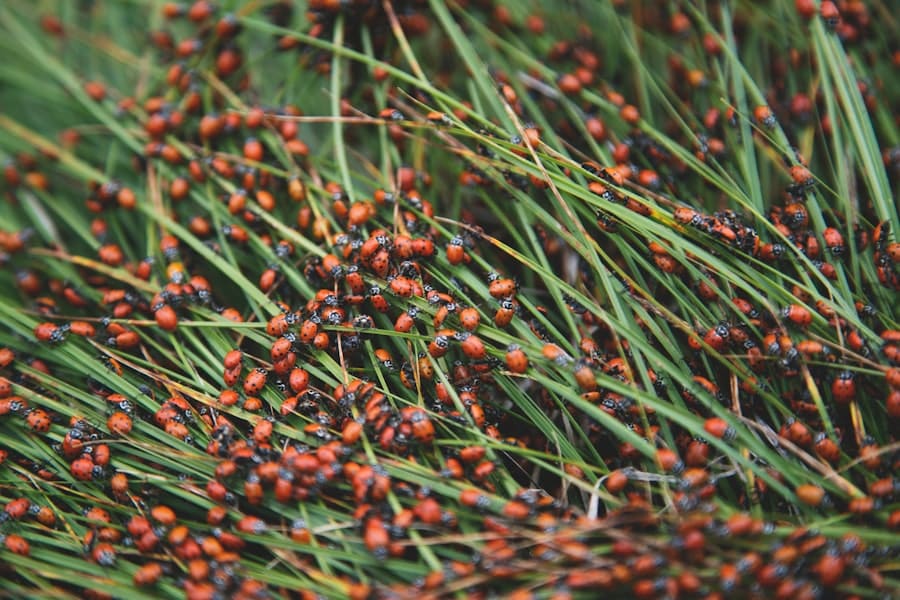
As you navigate the world of organic farming and gardening, ethical considerations surrounding insect pest control will inevitably arise. You may grapple with questions about the morality of controlling pest populations and the potential consequences of your actions on the broader ecosystem. It is essential to recognize that while pests can pose a threat to your plants, they are also integral components of the ecosystem.
Striking a balance between protecting your crops and respecting the natural world is a challenge that requires careful thought and consideration. In your quest for ethical pest control solutions, you may find it helpful to reflect on the principles of sustainability and stewardship. By adopting practices that prioritize ecological balance, you can minimize harm to non-target species and promote biodiversity in your garden.
This ethical approach encourages you to consider not only the immediate effects of your pest control methods but also their long-term implications for the environment. Engaging with these ethical dilemmas can deepen your understanding of organic farming and gardening, ultimately leading to more informed decisions about how to manage pests responsibly.
Alternatives to Chemical Insecticides in Organic Pest Control
One of the hallmarks of organic farming is the avoidance of synthetic chemicals, including chemical insecticides. As you explore alternatives to these conventional methods, you will discover a wealth of options that align with organic principles while effectively managing pest populations. Natural insecticides derived from plant extracts or minerals can provide effective solutions without compromising your commitment to sustainability.
You might consider using insecticidal soaps or neem oil as part of your pest management strategy. These natural products work by disrupting the life cycle of pests without harming beneficial insects or pollinators. Additionally, introducing beneficial insects such as ladybugs or lacewings can help keep pest populations in check while promoting a healthy ecosystem in your garden.
By embracing these alternatives, you can maintain a thriving garden while adhering to the core tenets of organic farming.
The Impact of Insect Pest Control on Non-Target Species
As you implement pest control measures in your organic garden or farm, it is crucial to consider the potential impact on non-target species. While your primary goal may be to protect your crops from harmful pests, it is essential to recognize that many insects play vital roles in maintaining ecological balance. The indiscriminate use of certain pest control methods can inadvertently harm beneficial insects, pollinators, and other organisms that contribute to a healthy ecosystem.
You may find it beneficial to adopt integrated pest management (IPM) strategies that prioritize targeted approaches over broad-spectrum solutions. By focusing on specific pests and employing methods that minimize collateral damage, you can protect your crops while preserving the diversity of life in your garden. This thoughtful approach not only enhances the resilience of your ecosystem but also fosters a deeper appreciation for the interconnectedness of all living organisms.
The Role of Insects in Ecosystems and the Potential Consequences of Pest Control
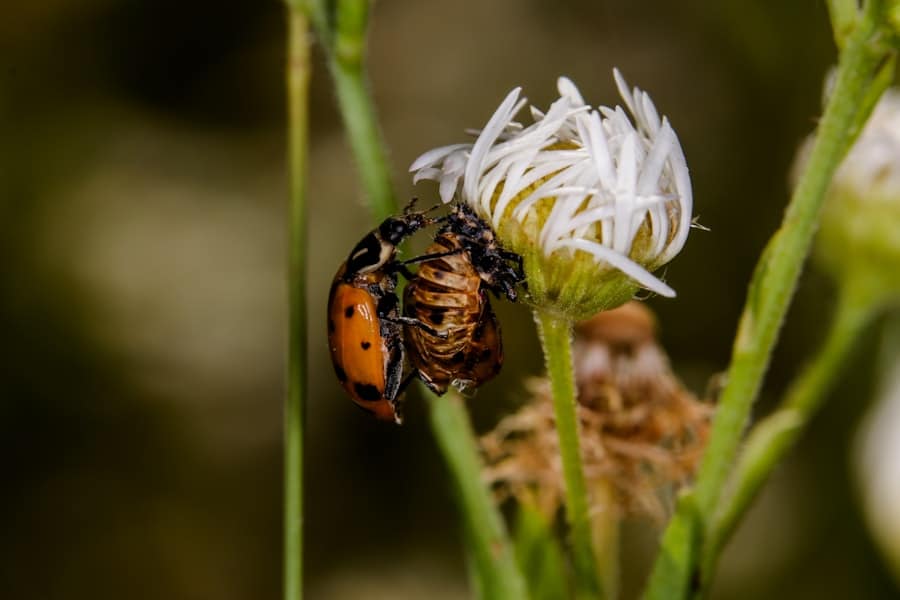
Insects play a multifaceted role in ecosystems, serving as pollinators, decomposers, and prey for various animals. As you engage with your garden or farm, it is essential to recognize the intricate relationships between insects and their environment. The potential consequences of pest control measures extend beyond immediate crop protection; they can ripple through the ecosystem, affecting food webs and biodiversity.
You may find yourself reflecting on how certain pest control methods can disrupt these delicate balances. For instance, while eliminating a specific pest may seem beneficial in the short term, it could lead to unforeseen consequences such as an increase in other pest populations or a decline in pollinator numbers. Understanding these dynamics can empower you to make more informed decisions about pest management strategies that prioritize ecological health alongside crop productivity.
The Ethics of Using Biological Control Methods in Organic Pest Control
Biological control methods offer an intriguing avenue for managing pests within organic farming and gardening frameworks. As you explore this approach, you may find yourself weighing its ethical implications against its effectiveness. Biological control involves using natural predators or parasites to manage pest populations, which can be an environmentally friendly alternative to chemical insecticides.
However, as you consider implementing biological control methods, it is essential to evaluate their potential impacts on local ecosystems. Introducing non-native species or altering existing predator-prey dynamics can have unintended consequences that may disrupt local biodiversity. Engaging with these ethical considerations allows you to navigate the complexities of biological control thoughtfully, ensuring that your actions align with both your values and your commitment to sustainable practices.
Balancing the Ethical Implications of Insect Pest Control in Organic Farming and Gardening
In conclusion, navigating the ethical implications of insect pest control in organic farming and gardening requires a delicate balance between protecting your crops and respecting the intricate web of life within your ecosystem. As you embark on this journey, it is essential to remain mindful of the interconnectedness of all living organisms and the potential consequences of your actions. By embracing sustainable practices that prioritize ecological health alongside crop productivity, you can cultivate a thriving garden while minimizing harm to non-target species.
Engaging with ethical dilemmas surrounding pest control will deepen your understanding of organic farming principles and empower you to make informed decisions that reflect your values. Ultimately, this journey into organic farming and gardening can lead not only to bountiful harvests but also to a greater appreciation for the natural world around you.
When considering the ethical implications of insect pest control in organic farming and gardening, it is important to also explore the use of technology in pest management. A related article on smart tech solutions for a bug-free home discusses how advancements in digital tools can help homeowners effectively and ethically manage pest infestations. By utilizing innovative technologies, individuals can minimize the harm to beneficial insects and the environment while still effectively controlling pests.
FAQs
What is insect pest control in organic farming and gardening?
Insect pest control in organic farming and gardening refers to the methods and practices used to manage and reduce the population of harmful insects that can damage crops and plants. These methods are aimed at minimizing the use of synthetic pesticides and instead rely on natural and organic alternatives.
What are the ethical implications of insect pest control in organic farming and gardening?
The ethical implications of insect pest control in organic farming and gardening revolve around the impact of pest control methods on the environment, non-target organisms, and human health. Ethical considerations also include the welfare of insects and the overall sustainability of agricultural practices.
What are some ethical considerations in insect pest control for organic farming and gardening?
Some ethical considerations in insect pest control for organic farming and gardening include the use of non-toxic and environmentally friendly pest control methods, minimizing harm to beneficial insects, and promoting biodiversity. Additionally, ethical considerations involve ensuring the safety of farm workers and consumers, as well as adhering to organic farming standards and regulations.
What are some examples of ethical insect pest control methods in organic farming and gardening?
Examples of ethical insect pest control methods in organic farming and gardening include the use of biological control agents such as predatory insects, parasitic wasps, and nematodes. Other methods include crop rotation, habitat manipulation, and the use of natural insect repellents and barriers.
How do ethical insect pest control methods benefit organic farming and gardening?
Ethical insect pest control methods benefit organic farming and gardening by promoting sustainable and environmentally friendly practices. These methods help maintain the natural balance of ecosystems, reduce the reliance on synthetic pesticides, and support the overall health and biodiversity of agricultural systems.