
Insects have long captivated the human imagination, serving as both subjects of fascination and sources of inspiration in literature. From ancient texts to contemporary novels, these small creatures have found their way into the pages of countless works, often embodying complex themes and ideas. As you delve into the world of literature, you may notice how insects are not merely background characters; they often play pivotal roles that reflect the intricacies of human existence.
Their presence can evoke a range of emotions, from fear and disgust to wonder and admiration, making them versatile symbols in storytelling. The exploration of insects in literature invites you to consider the deeper meanings behind their appearances. Whether they are depicted as agents of change or as reflections of societal issues, insects serve as a lens through which you can examine the human condition.
As you read various literary works, you may find that these tiny beings carry significant weight, prompting you to reflect on your own experiences and perceptions. The multifaceted nature of insects allows them to transcend their physical form, becoming powerful symbols that resonate with readers across cultures and time periods.
Key Takeaways
- Insects have been a recurring theme in literature, often symbolizing various aspects of human behavior and transformation.
- In literature, insects are often used as metaphors for human behavior, representing traits such as industriousness, perseverance, and adaptability.
- Insects are frequently used as symbols of transformation and change in literature, reflecting the idea of growth and evolution.
- Insects have a significant presence in folklore and mythology, often representing various cultural beliefs and values.
- In children’s literature, insects play a prominent role, often serving as characters that teach valuable lessons and moral values.
The Symbolism of Insects in Literature
Insects often symbolize a range of concepts in literature, from decay and transformation to resilience and survival. When you encounter a character or scene involving insects, it is essential to consider what they might represent within the context of the narrative. For instance, the presence of flies may evoke feelings of decay and corruption, while butterflies often symbolize beauty and metamorphosis.
This duality allows insects to serve as powerful symbols that can convey complex themes without the need for extensive exposition. As you explore various literary works, you may notice that authors frequently use insects to comment on societal issues or human behavior. For example, Franz Kafka’s “The Metamorphosis” features a protagonist who transforms into a giant insect, serving as a poignant metaphor for alienation and existential despair.
This transformation forces you to confront the fragility of identity and the often harsh realities of life. In this way, insects become conduits for exploring deeper philosophical questions, inviting you to engage with the text on multiple levels.
Insects as Metaphors for Human Behavior

Insects are often employed as metaphors for human behavior, reflecting our instincts, desires, and flaws. When you read about ants working tirelessly for their colony or bees collaborating to create honey, you may find parallels to human society’s collective efforts and social structures. These comparisons can illuminate the complexities of cooperation, hierarchy, and community dynamics within your own life.
The behaviors exhibited by insects can serve as mirrors, prompting you to reflect on your actions and motivations. Conversely, insects can also represent darker aspects of human nature. The predatory instincts of certain species may remind you of humanity’s capacity for cruelty and selfishness.
In literature, characters who exhibit insect-like traits—such as cunning or ruthlessness—often serve as cautionary tales about the consequences of unchecked ambition or moral decay. By examining these parallels, you can gain insight into the intricacies of human behavior and the choices that shape our lives.
Insects as Symbols of Transformation and Change
Transformation is a recurring theme in literature, and insects are uniquely positioned to embody this concept. The life cycles of many insects, particularly those that undergo metamorphosis, serve as powerful symbols of change and growth. When you encounter a caterpillar transforming into a butterfly in a story, it may evoke feelings of hope and renewal.
This imagery resonates with your own experiences of personal growth and the potential for change in your life. Insects also remind you that change is often accompanied by struggle and discomfort. The process of metamorphosis can be arduous, reflecting the challenges that come with personal development.
As you read about characters who undergo significant transformations—whether physical, emotional, or spiritual—you may find parallels in your own journey. The symbolism of insects encourages you to embrace change as an essential part of life, reminding you that growth often requires perseverance and resilience.
Insects in Folklore and Mythology
Throughout history, insects have played significant roles in folklore and mythology across cultures. These stories often imbue insects with symbolic meanings that reflect cultural values and beliefs. For instance, in many Native American traditions, the spider is revered as a creator figure, weaving the fabric of life itself.
As you explore these narratives, you may discover how different cultures interpret the roles of insects in their mythologies, revealing insights into their worldviews. Insects also serve as cautionary figures in folklore, embodying moral lessons or warnings about human behavior. The fable of “The Ant and the Grasshopper” illustrates the virtues of hard work and preparation through the contrasting behaviors of its insect characters.
Such stories resonate with universal themes that transcend cultural boundaries, allowing you to connect with the wisdom embedded in these tales. By examining the roles insects play in folklore and mythology, you can gain a deeper appreciation for their significance in shaping cultural narratives.
The Role of Insects in Children’s Literature
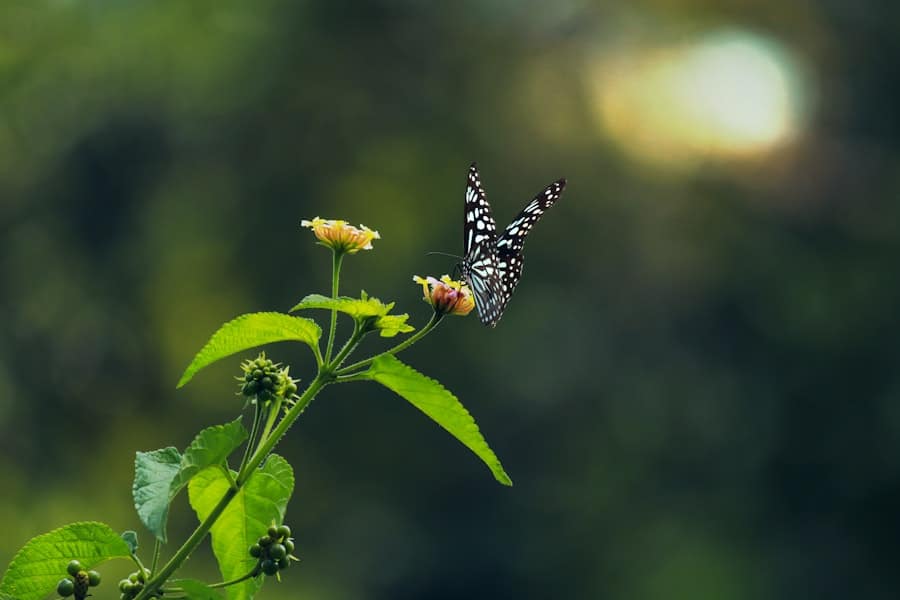
Insects frequently appear in children’s literature, captivating young readers with their vibrant colors and fascinating behaviors. These stories often introduce children to the natural world while imparting valuable lessons about friendship, cooperation, and empathy. As you read children’s books featuring insects, you may find that these characters are often anthropomorphized, allowing young readers to relate to their struggles and triumphs on a personal level.
Moreover, insects in children’s literature can spark curiosity about science and nature. Books like “The Very Hungry Caterpillar” by Eric Carle not only entertain but also educate children about life cycles and the importance of growth. By engaging with these stories, children develop a sense of wonder about the world around them while learning important concepts in an accessible way.
The role of insects in children’s literature serves as a bridge between imagination and education, fostering a lifelong appreciation for nature.
Notable Works Featuring Insects as Symbolic Characters
Several notable literary works feature insects as central characters or symbols that enrich the narrative. One such example is “Metamorphosis” by Franz Kafka, where Gregor Samsa’s transformation into an insect serves as a profound exploration of alienation and identity crisis. This work challenges you to confront uncomfortable truths about societal expectations and personal fulfillment.
Another significant work is “The Secret Life of Bees” by Sue Monk Kidd, where bees symbolize community, nurturing, and resilience. The bees’ intricate social structure mirrors the relationships among the characters in the story, emphasizing themes of love and connection amidst adversity. As you engage with these texts, consider how the authors use insects to convey deeper meanings that resonate with your own experiences.
The Enduring Presence of Insects in Literature
Insects have secured their place in literature as enduring symbols that reflect the complexities of human existence. Their multifaceted roles—ranging from metaphors for behavior to symbols of transformation—invite you to explore profound themes that resonate across cultures and time periods. As you continue your literary journey, remain attuned to the presence of insects within texts; they may offer insights into your own life experiences and perspectives.
The enduring presence of insects in literature speaks to their ability to capture our imagination while prompting us to reflect on our humanity. Whether through folklore, children’s stories, or classic novels, these small creatures remind us that even the tiniest beings can hold immense significance. As you read on, allow yourself to be inspired by the lessons embedded within these narratives—lessons about change, resilience, and the interconnectedness of all living things.
Insects have long been used as symbols in literature, representing everything from transformation to decay. One related article that delves into the world of insects and their impact on our lives is a piece on the best pest control services in various cities, including Palmdale, California, Omaha, Nebraska, and San Diego, California. These services play a crucial role in managing insect populations and ensuring our homes remain free of unwanted pests. To learn more about the importance of pest control in these cities, check out this article.
FAQs
What is the significance of insects in literature?
Insects are often used as symbols in literature to represent various themes such as transformation, resilience, and the human condition. They can also be used to evoke feelings of unease or to symbolize the passage of time.
What are some common insects used as symbols in literature?
Common insects used as symbols in literature include butterflies, which often symbolize transformation and rebirth, and spiders, which can symbolize creativity, patience, and the complexity of life.
Can insects in literature represent negative themes as well?
Yes, insects in literature can also be used to represent negative themes such as decay, corruption, and the darker aspects of human nature. For example, flies and cockroaches are often used to symbolize filth and decay.
Are there any famous literary works that prominently feature insects as symbols?
Yes, there are many famous literary works that prominently feature insects as symbols. For example, Franz Kafka’s “The Metamorphosis” features a man who transforms into a giant insect, and Charlotte’s Web by E.B. White features a spider as a central character who symbolizes friendship and sacrifice.
How do authors use insects as symbols in their writing?
Authors use insects as symbols in their writing by drawing on the cultural and symbolic meanings associated with specific insects, as well as by using the physical characteristics and behaviors of insects to convey deeper meanings and themes in their work.