
When you encounter insect pests in your home or garden, the first instinct may be to eliminate them as quickly as possible. However, the process of disposing of these pests is not as straightforward as it might seem. Understanding the importance of proper disposal methods is crucial for maintaining a healthy environment and ensuring that you are not inadvertently causing harm to other creatures or the ecosystem.
Insects play a vital role in our environment, and while some may be nuisances, others are beneficial. Therefore, knowing how to handle and dispose of them responsibly is essential. As you navigate the complexities of pest control, it’s important to recognize that not all insects are created equal.
Some may be harmless or even beneficial, while others can pose significant health risks or damage to your property. This article will guide you through the various aspects of disposing of insect pests, from safe handling and packaging to environmentally friendly disposal methods. By the end, you will have a comprehensive understanding of how to manage insect pests effectively and responsibly.
Key Takeaways
- Proper disposal of insect pests is essential to prevent infestations and protect the environment.
- When handling and packaging insect pests, it is important to use safe and secure methods to avoid spreading them.
- Disposal methods for insect pests should be chosen carefully to minimize their impact on the environment.
- Considerations for disposing of insect pests in outdoor spaces include choosing appropriate locations and methods to prevent reinfestation.
- Disposing of insect pests in indoor spaces requires careful attention to prevent contamination and further spread.
Safe Handling and Packaging of Insect Pests
Protecting Yourself and the Insects
When dealing with live insects, it’s crucial to take safety precautions to avoid bites or stings. Wearing gloves can protect your skin, and using tools like tweezers or small containers can help you manage them without direct contact.
Capturing and Containing Insects
For larger or venomous insects, consider using a jar or similar container to capture them safely. Once captured, proper packaging is essential. Place the insect in a secure container with ventilation holes to prevent suffocation while ensuring it cannot escape. If dealing with multiple pests, separate them into different containers to avoid stress and injury.
Labeling and Transporting Insects
Labeling the containers can be helpful, especially if you’re unsure about the species or plan to consult a pest control professional later on.
Proper Disposal Methods for Insect Pests
After safely handling and packaging the insect pests, the next step is determining the most appropriate disposal method. The method you choose will depend on the type of insect and your local regulations regarding pest disposal. For many common household pests, such as ants or cockroaches, it may be sufficient to release them outdoors far from your home.
This approach allows them to continue their role in the ecosystem while keeping your living space pest-free. In cases where the insects are dead or pose a health risk, such as wasps or certain beetles, you may need to consider more permanent disposal methods. Burying them in your garden can be an effective way to return them to the earth, where they can decompose naturally and contribute nutrients back into the soil.
Alternatively, you can place them in a sealed bag and dispose of them in your regular trash, ensuring they are contained to prevent attracting other pests.
Environmental Considerations for Disposing of Insect Pests
As you consider how to dispose of insect pests, it’s essential to keep environmental factors in mind. The impact of your disposal methods can extend beyond just your immediate surroundings. For instance, releasing non-native species into local ecosystems can disrupt the balance and harm native wildlife.
Therefore, it’s crucial to identify the species you are dealing with before deciding on a disposal method. Moreover, using chemical pesticides can have long-lasting effects on the environment. These substances can contaminate soil and water sources, affecting not only insects but also plants and animals in the area.
Whenever possible, opt for natural pest control methods that minimize harm to beneficial insects and other wildlife. By being mindful of your choices, you can contribute to a healthier ecosystem while effectively managing pest populations.
Disposing of Insect Pests in Outdoor Spaces
When it comes to outdoor spaces, disposing of insect pests requires a slightly different approach than indoor settings. In gardens or yards, many insects play crucial roles in pollination and soil health. Therefore, before taking action against any pests, assess their impact on your outdoor environment.
For example, while aphids may damage plants, they also attract beneficial insects like ladybugs that help control their populations. If you determine that certain pests need to be removed from your outdoor space, consider using traps or barriers instead of chemical treatments. Physical barriers can prevent pests from reaching your plants without harming them or other beneficial insects.
If you do need to capture and dispose of pests, releasing them in a remote area away from your garden is often the best option. This way, you can maintain a balanced ecosystem while protecting your plants from damage.
Disposing of Insect Pests in Indoor Spaces
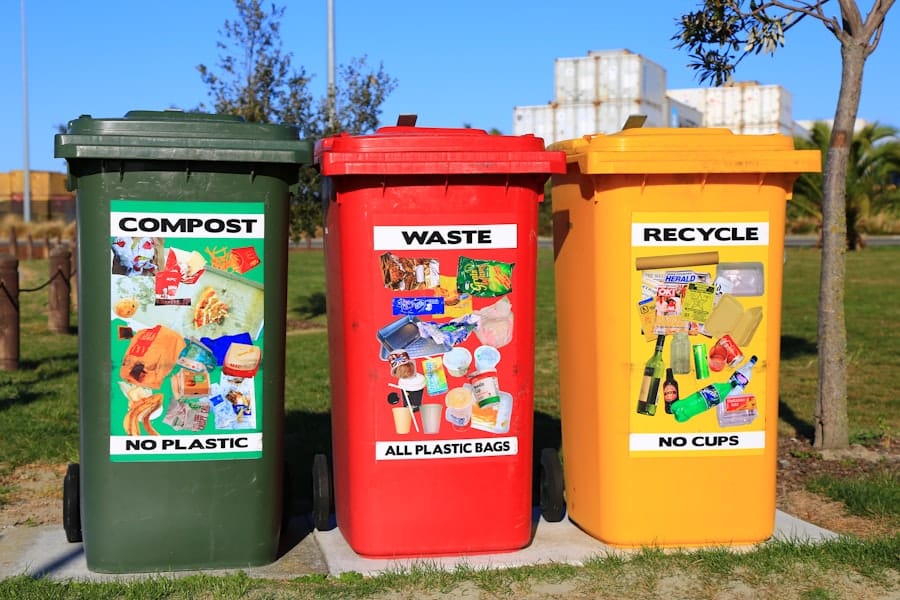
Disposing of insect pests indoors presents unique challenges that require careful consideration. The confined space of your home means that any pest control measures must be effective yet safe for your family and pets. When dealing with indoor pests like bedbugs or termites, it’s essential to act quickly but thoughtfully.
These pests can cause significant damage or health issues if left unchecked. For indoor disposal, vacuuming is often an effective method for removing pests like ants or spiders. After vacuuming, ensure that you dispose of the vacuum bag or contents immediately outside your home to prevent any chance of re-infestation.
If you encounter more resilient pests like cockroaches or bedbugs, consider consulting a pest control professional who can provide targeted solutions for safe removal and disposal.
Disposing of Insect Pests in a Sustainable Manner
Sustainability should be at the forefront of your mind when disposing of insect pests. Many people overlook the ecological impact of their pest control methods, but every action counts toward preserving our environment. One sustainable approach is to utilize natural predators as a means of controlling pest populations.
For instance, introducing ladybugs into your garden can help manage aphid populations without resorting to harmful chemicals. Additionally, composting dead insects can be an excellent way to recycle nutrients back into the soil. Many insects decompose quickly and can enrich compost piles with essential nutrients that benefit plant growth.
By adopting these sustainable practices, you not only manage pest populations effectively but also contribute positively to your local ecosystem.
Conclusion and Final Considerations for Disposing of Insect Pests
In conclusion, disposing of insect pests requires careful thought and consideration at every step of the process. From safe handling and packaging to choosing appropriate disposal methods, each decision impacts not only your immediate environment but also the broader ecosystem. By understanding the role that insects play in our world and adopting responsible practices for their management, you can create a healthier living space while minimizing harm to beneficial species.
As you move forward in managing insect pests, remember that knowledge is power. Educate yourself about the various species you encounter and their roles within the ecosystem. This understanding will empower you to make informed decisions about pest control and disposal methods that align with both your needs and environmental sustainability goals.
Ultimately, by treating all creatures with respect and care, you contribute to a balanced ecosystem that benefits everyone involved.
If you are looking for the best practices for disposing of insect pests once they are eliminated from your home, you may also be interested in reading about the best pest control services in McKinney, Texas. Thrift Pest Control offers top-notch services to help you get rid of unwanted pests in your home. Check out their website for more information on how they can assist you in keeping your home pest-free: Best Pest Control Service in McKinney, Texas.