
The first step in addressing an insect infestation is to accurately identify the type of insect that has invaded your space. You may notice signs such as droppings, shed skins, or even the insects themselves. Observing their behavior can provide valuable clues; for instance, if you see ants marching in a line, they are likely foraging for food.
You might also find webs in corners or small holes in wood, indicating the presence of spiders or termites. Understanding the specific species can help you tailor your approach to effectively eliminate them. Once you have identified the insects, it’s essential to assess the extent of the infestation.
You may want to check hidden areas such as behind appliances, under sinks, or in attics and basements. Look for nests or colonies, as these can indicate a larger problem. Documenting your findings can be beneficial, as it allows you to track the infestation’s progression and determine the best course of action.
By being thorough in your investigation, you can ensure that you address the root of the problem rather than just treating the symptoms.
Key Takeaways
- Identifying the Insect Infestation:
- Look for signs of insect activity such as droppings, shed skins, and visible insects.
- Identify the type of insect infestation to determine the most effective removal methods.
- Removing Sources of Food and Shelter:
- Keep food stored in airtight containers and clean up spills promptly.
- Declutter and remove any potential hiding spots for insects.
- Using Natural Repellents and Deterrents:
- Use natural repellents such as essential oils or vinegar to deter insects.
- Keep a clean and well-ventilated environment to discourage insect infestations.
- Sealing Entry Points:
- Seal cracks, gaps, and openings in walls, windows, and doors to prevent insect entry.
- Install door sweeps and screens to keep insects out.
- Utilizing Traps and Baits:
- Use sticky traps and pheromone baits to capture and monitor insect activity.
- Place traps and baits in strategic locations where insect activity is high.
- Applying Insecticides and Pesticides:
- Use insecticides and pesticides as a last resort and follow safety guidelines.
- Consider using natural or organic insecticides to minimize environmental impact.
- Seeking Professional Help:
- Consult with a pest control professional for severe or persistent infestations.
- Professional exterminators can provide effective and safe solutions for insect control.
- Regular Cleaning and Maintenance:
- Regularly clean and vacuum to remove crumbs, spills, and debris that attract insects.
- Maintain a clean and hygienic environment to prevent insect infestations.
- Proper Waste Disposal:
- Dispose of garbage and waste in sealed containers to prevent insect access.
- Keep outdoor trash bins clean and tightly sealed to avoid attracting insects.
- Implementing Preventative Measures:
- Implement regular inspections and maintenance to prevent insect infestations.
- Address any potential entry points and sources of food and shelter to prevent future infestations.
- Monitoring and Regular Inspections:
- Monitor for signs of insect activity and conduct regular inspections of potential entry points.
- Stay vigilant and address any issues promptly to prevent insect infestations.
Removing Sources of Food and Shelter
After identifying the type of insect infestation, your next step is to eliminate any sources of food and shelter that may be attracting them. Insects are often drawn to areas where they can find sustenance, so it’s crucial to keep your living space clean and free from crumbs or spills. You might start by thoroughly cleaning your kitchen, ensuring that countertops are wiped down and that food is stored in airtight containers.
Pay special attention to areas like under the refrigerator and behind the stove, where food particles can accumulate unnoticed. In addition to food sources, consider the potential shelters that insects may find within your home. Cluttered spaces provide ideal hiding spots for pests.
You may want to declutter areas such as closets, basements, and garages, making it easier to spot any signs of infestation. By removing these attractants, you not only make your home less inviting to insects but also create a more organized and pleasant living environment for yourself.
Using Natural Repellents and Deterrents
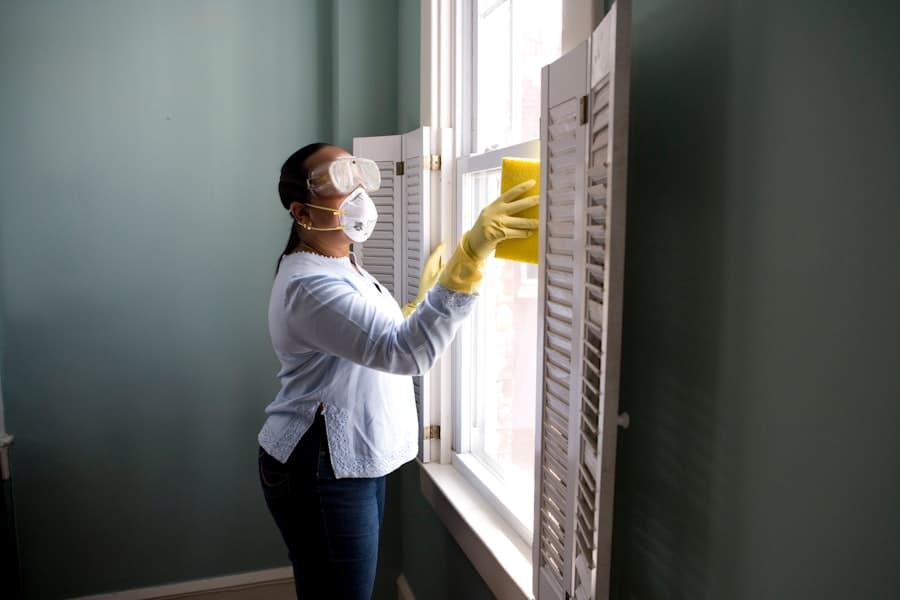
If you prefer a more eco-friendly approach to pest control, consider using natural repellents and deterrents. Many common household items can serve as effective barriers against insects. For example, vinegar is known for its ability to repel ants and spiders.
You can create a simple solution by mixing equal parts vinegar and water in a spray bottle and applying it to areas where you’ve noticed insect activity. Essential oils like peppermint, tea tree, and lavender are also effective; their strong scents can deter various pests while leaving your home smelling fresh. Another natural deterrent is diatomaceous earth, a powdery substance made from fossilized algae.
When sprinkled in areas where insects frequent, it can dehydrate and kill them without the use of harsh chemicals. You might find this method particularly appealing if you have pets or children at home, as it poses minimal risk compared to traditional pesticides. By incorporating these natural solutions into your pest control strategy, you can create a safer environment while effectively managing insect populations.
Sealing Entry Points
To prevent future infestations, it’s vital to seal any entry points that insects may use to gain access to your home. Inspect your property for cracks in walls, gaps around windows and doors, and openings around pipes or vents. You may find that even the smallest openings can serve as gateways for pests seeking shelter or food.
Using caulk or weather stripping can effectively close these gaps, making it more difficult for insects to enter. Additionally, consider installing door sweeps on exterior doors to further block potential entry points. This simple addition can significantly reduce the likelihood of insects finding their way inside.
Regularly checking and maintaining these seals will help ensure that your home remains a fortress against unwanted pests. By taking proactive measures to secure your living space, you can enjoy peace of mind knowing that you are minimizing the risk of future infestations.
Utilizing Traps and Baits
In conjunction with preventive measures, utilizing traps and baits can be an effective way to manage existing insect populations. Depending on the type of pest you’re dealing with, there are various traps available on the market designed specifically for different insects. For example, sticky traps can capture flying insects like fruit flies or gnats, while bait stations can lure ants or cockroaches with enticing food sources laced with poison.
When setting traps, be strategic about their placement. You might want to position them near areas where you’ve observed insect activity or along their likely pathways. Regularly check these traps to monitor their effectiveness and replace them as needed.
This hands-on approach not only helps reduce the current population but also provides insight into the severity of the infestation, allowing you to adjust your strategy accordingly.
Applying Insecticides and Pesticides

If natural methods and traps do not yield satisfactory results, you may need to consider applying insecticides or pesticides as a last resort. It’s essential to choose products that are specifically formulated for the type of insect you’re dealing with; this ensures maximum effectiveness while minimizing harm to beneficial insects and the environment. Always read labels carefully and follow application instructions to ensure safety for yourself and your family.
When using chemical treatments, take precautions such as wearing gloves and a mask to protect yourself from exposure. It’s also wise to keep pets and children away from treated areas until they are safe for re-entry. While insecticides can be effective in quickly reducing pest populations, they should be used judiciously and as part of a comprehensive pest management plan that includes preventive measures and regular monitoring.
Seeking Professional Help
If your efforts to manage an insect infestation prove unsuccessful or if the problem escalates beyond your control, seeking professional help may be necessary. Pest control experts have access to specialized tools and treatments that are not available to the general public. They can conduct thorough inspections of your property, identify the source of the infestation, and implement targeted strategies for eradication.
When choosing a pest control service, look for reputable companies with positive reviews and certifications. A professional will not only address the current issue but also provide guidance on how to prevent future infestations. This partnership can be invaluable in maintaining a pest-free environment in your home.
Regular Cleaning and Maintenance
One of the most effective ways to prevent insect infestations is through regular cleaning and maintenance of your living space. Establishing a routine cleaning schedule can help keep pests at bay by eliminating potential food sources and hiding spots. You might want to focus on high-traffic areas such as kitchens and bathrooms, ensuring that surfaces are wiped down daily and floors are vacuumed regularly.
In addition to routine cleaning, consider seasonal deep cleaning sessions where you tackle less frequently cleaned areas like behind appliances or inside cabinets. This proactive approach not only helps prevent infestations but also contributes to a healthier living environment overall. By making cleaning a priority, you create an inhospitable atmosphere for pests while promoting cleanliness in your home.
Proper Waste Disposal
Proper waste disposal is another critical aspect of pest prevention that should not be overlooked. Insects are often attracted to garbage bins filled with food scraps or organic waste. To minimize this attraction, ensure that all trash is securely contained in sealed bags before placing it in bins with tight-fitting lids.
Regularly emptying these bins will further reduce odors that may draw pests. You might also consider composting organic waste if you have outdoor space available; however, be sure to manage your compost pile properly to avoid attracting unwanted insects. Keeping waste disposal practices in check is essential for maintaining a pest-free environment in both indoor and outdoor spaces.
Implementing Preventative Measures
Implementing preventative measures is key to maintaining a pest-free home long-term. This involves not only addressing current infestations but also taking steps to deter future ones from occurring. Regularly inspecting your property for signs of wear or damage can help identify potential vulnerabilities before they become problematic.
Consider landscaping practices that discourage pests as well; for instance, keeping plants trimmed away from your home’s foundation can reduce access points for insects seeking shelter. Additionally, using mulch sparingly around flower beds can help minimize habitats for pests like termites or ants. By adopting a proactive mindset toward pest prevention, you can significantly reduce the likelihood of future infestations.
Monitoring and Regular Inspections
Finally, ongoing monitoring and regular inspections are crucial components of effective pest management. After implementing various strategies to eliminate pests from your home, it’s important to remain vigilant in observing any signs of re-infestation. Schedule periodic checks around your property—especially during peak pest seasons—to catch any potential issues early on.
You might also consider keeping a log of any pest sightings or treatments applied; this documentation can help track patterns over time and inform future decisions regarding pest control strategies. By staying proactive in monitoring your environment, you empower yourself to maintain a pest-free home effectively. In conclusion, managing insect infestations requires a multifaceted approach that includes identification, prevention, removal of attractants, and ongoing vigilance.
By following these steps diligently, you can create an environment that is inhospitable to pests while ensuring a comfortable living space for yourself and your family.
If you’re looking for more information on how to keep your home bug-free, you may want to check out this article on smart tech solutions for a bug-free home. This article discusses how technology can be used to prevent and eliminate insect infestations in your home. It’s a great resource for those looking for innovative ways to keep pests at bay.
FAQs
What are common signs of an insect infestation?
Common signs of an insect infestation include seeing live insects, finding insect droppings or shed skins, noticing damage to plants or structures, and experiencing unexplained bites or rashes.
How can you prevent an insect infestation?
To prevent an insect infestation, it is important to keep your home clean and free of food crumbs or spills, seal cracks and crevices, store food in airtight containers, keep outdoor areas tidy, and regularly inspect for signs of pests.
What are some natural ways to get rid of an insect infestation?
Natural ways to get rid of an insect infestation include using essential oils, diatomaceous earth, vinegar, and baking soda. Additionally, maintaining a clean environment and using physical barriers such as screens can help deter insects.
When should you consider hiring a professional for insect infestation removal?
You should consider hiring a professional for insect infestation removal if the infestation is severe, if you are unable to identify the type of insect, if DIY methods have been ineffective, or if the infestation poses a health or safety risk.