
In the intricate tapestry of nature, pests and bugs play significant roles, often eliciting mixed feelings from humans. While some may marvel at the beauty of insects flitting about in gardens, others may recoil at the thought of pests invading their homes. Understanding these creatures is essential, as they can have profound effects on our environment, health, and daily lives.
As you delve into the world of pests and bugs, you will discover the nuances that differentiate them and the importance of recognizing their presence. The terms “pest” and “bug” are frequently used interchangeably in casual conversation, but they encompass distinct categories within the animal kingdom. By exploring their definitions, characteristics, and impacts, you will gain a clearer understanding of how these creatures interact with the world around you.
This knowledge is not only beneficial for your own awareness but also crucial for effective pest management and environmental conservation.
Key Takeaways
- Pests and bugs are common nuisances that can impact the environment and health.
- A pest is an organism that is detrimental to humans, their interests, or their activities.
- A bug is a specific type of insect with piercing-sucking mouthparts and forewings that form a protective cover.
- Pests can cause damage to crops, structures, and spread diseases.
- Bugs play important roles in ecosystems, such as pollination and decomposition.
Definition of a Pest
A pest is typically defined as any organism that causes harm or nuisance to humans, animals, or plants. This broad category includes a variety of species, from insects to rodents, that can disrupt agricultural practices, damage property, or pose health risks. When you think of pests, you might envision cockroaches scuttling across your kitchen floor or termites silently munching away at the wooden beams of your home.
These creatures are often unwelcome guests, leading to significant economic losses and health concerns. Pests can be classified into several categories based on their impact. Agricultural pests, for instance, threaten crops and can lead to reduced yields and increased food prices.
Urban pests, such as rats and mice, invade homes and businesses, spreading diseases and contaminating food supplies. Understanding what constitutes a pest is crucial for developing effective control strategies and minimizing their negative effects on your life and environment.
Definition of a Bug

In contrast to pests, the term “bug” has a more specific definition in entomology. Bugs are a subset of insects belonging to the order Hemiptera, characterized by their unique mouthparts adapted for piercing and sucking. This group includes familiar species such as aphids, cicadas, and bedbugs.
While all bugs are technically insects, not all insects qualify as bugs. This distinction is important as it highlights the diversity within the insect world and the various roles these creatures play in ecosystems. Bugs can be both beneficial and harmful.
Some species serve as pollinators or natural pest controllers, while others may damage crops or transmit diseases. By understanding what constitutes a bug, you can better appreciate their ecological significance and the balance they maintain within their environments.
Characteristics of Pests
Pests exhibit several defining characteristics that set them apart from other organisms. One of the most notable traits is their ability to reproduce rapidly. Many pests have short life cycles and can produce large numbers of offspring in a relatively short period.
This reproductive strategy allows them to establish populations quickly, making them difficult to control once they invade an area. Another characteristic of pests is their adaptability. Many species have evolved to thrive in various environments, from urban settings to agricultural fields.
This adaptability enables them to exploit available resources effectively, often leading to conflicts with humans. Additionally, pests often possess specialized behaviors or physical traits that enhance their survival, such as camouflage or resistance to pesticides. Recognizing these characteristics can help you identify potential pest problems before they escalate.
Characteristics of Bugs
Bugs possess unique characteristics that distinguish them from other insects and pests. One defining feature is their specialized mouthparts, which are designed for piercing plant or animal tissues to extract fluids. This adaptation allows bugs to feed on a variety of substances, including plant sap or blood from other animals.
Their feeding habits can significantly impact plant health or contribute to the spread of diseases among animals. Another characteristic of bugs is their body structure. Many bugs have flattened bodies that enable them to navigate through tight spaces or hide from predators effectively.
Additionally, some species exhibit vibrant colors or patterns that serve as warning signals to potential threats or as camouflage within their environments. Understanding these traits can enhance your ability to identify bugs in your surroundings and appreciate their ecological roles.
Examples of Pests
When considering examples of pests, a wide array of organisms comes to mind. Common household pests include ants, cockroaches, and rodents like mice and rats. These creatures often invade homes in search of food and shelter, leading to health risks and property damage.
For instance, cockroaches are known carriers of various pathogens that can cause illnesses in humans, making their presence particularly concerning. In agricultural settings, pests such as locusts and aphids can wreak havoc on crops. Locusts are notorious for forming swarms that can devastate entire fields in a matter of hours, while aphids feed on plant sap and can transmit viruses that harm crops.
Recognizing these examples helps you understand the potential threats posed by pests in both urban and rural environments.
Examples of Bugs
Bugs encompass a diverse range of species within the Hemiptera order. One well-known example is the bedbug, a small insect that feeds on human blood during the night. Bedbugs have become increasingly problematic in urban areas due to their ability to hitch rides on clothing and luggage, leading to infestations in homes and hotels.
Another example is the cicada, famous for its distinctive mating call during warm months. Cicadas spend years underground before emerging as adults to mate and lay eggs. While they do not pose direct threats to humans or animals, their sheer numbers can create a cacophony that some find overwhelming during peak seasons.
Understanding these examples allows you to appreciate the diversity within the bug category and recognize their varying impacts on human life.
Importance of Identifying Pests and Bugs
Identifying pests and bugs is crucial for several reasons. First and foremost, accurate identification allows for effective management strategies tailored to specific species. Different pests require different control methods; for instance, while some may be effectively managed through traps or baits, others may necessitate chemical treatments or habitat modifications.
By knowing what you are dealing with, you can choose the most appropriate course of action. Moreover, understanding the differences between pests and bugs can help you appreciate their ecological roles. While some may be nuisances or threats to health and property, others contribute positively to ecosystems by pollinating plants or serving as food sources for other animals.
This knowledge fosters a more balanced perspective on how you interact with these creatures in your environment.
Impact of Pests on the Environment and Health
The impact of pests on the environment and human health cannot be overstated. In agricultural contexts, pests can lead to significant crop losses, threatening food security and economic stability for farmers and communities alike. The use of pesticides to combat these pests can also have detrimental effects on non-target species and ecosystems, leading to a cycle of dependency on chemical controls.
From a health perspective, many pests are vectors for diseases that affect humans and animals alike. For example, mosquitoes are notorious for transmitting illnesses such as malaria and dengue fever. Rodents can carry pathogens that contaminate food supplies or spread diseases like hantavirus.
Understanding these impacts emphasizes the importance of proactive pest management strategies that prioritize both human health and environmental sustainability.
Impact of Bugs on the Environment and Health
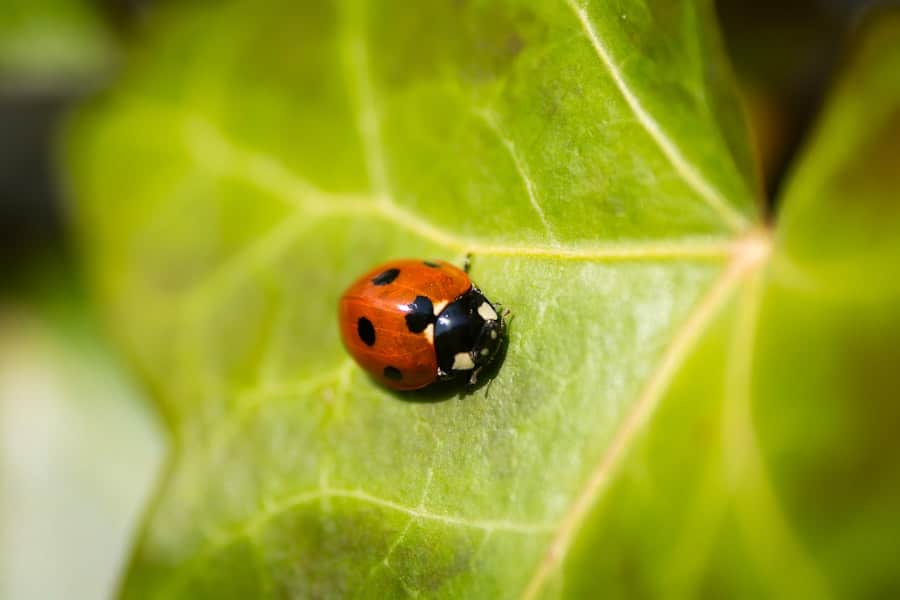
Bugs also play significant roles in shaping ecosystems and influencing human health. While some bugs may be considered nuisances—like bedbugs—others contribute positively by pollinating plants or serving as natural pest controllers. For instance, ladybugs are known for their appetite for aphids, helping maintain balance in gardens and agricultural fields.
However, certain bugs can also pose health risks through their feeding habits or by acting as vectors for diseases. Ticks are infamous for transmitting Lyme disease through their bites, while some species of bugs can cause allergic reactions in sensitive individuals. Recognizing these impacts allows you to appreciate both the benefits and potential dangers associated with bugs in your environment.
Understanding the Difference and Importance of Pest and Bug Identification
In conclusion, understanding the distinctions between pests and bugs is essential for effective management and appreciation of these creatures within our ecosystems. While pests generally refer to organisms that cause harm or nuisance to humans or agriculture, bugs represent a specific group within the insect world with unique characteristics and roles. By identifying these creatures accurately, you empower yourself to take informed actions that protect your health, property, and environment.
As you navigate your interactions with pests and bugs in your daily life, remember that knowledge is your greatest ally. By recognizing their characteristics, impacts, and ecological significance, you can foster a more harmonious relationship with these often-misunderstood creatures while ensuring your well-being and that of your surroundings. Embrace this understanding as a vital step toward responsible stewardship of our shared environment.
If you are looking for the best pest control service in El Paso, Texas, Fontana, California, or Portland, Oregon, Thrift Pest Control has got you covered. Their team of experts can help you differentiate between pests and bugs and provide effective solutions to keep your home or business pest-free. For more information on their services, check out their website here.
FAQs
What is the difference between a pest and a bug?
A pest is an organism that is detrimental to humans or human concerns, while a bug is a specific type of insect with mouthparts adapted for piercing and sucking.
Are all pests bugs?
No, not all pests are bugs. Pests can include insects, rodents, birds, and other organisms that are considered harmful to humans or human concerns.
Can bugs be considered pests?
Yes, some bugs can be considered pests if they cause harm or nuisance to humans or human concerns. For example, bed bugs, mosquitoes, and aphids are considered pests.
What are some examples of bugs that are not considered pests?
Some examples of bugs that are not considered pests include ladybugs, butterflies, and bees. These bugs are often beneficial to the environment and are not harmful to humans or human concerns.