
When you encounter wood that has been compromised by termites, it’s essential to grasp the potential risks involved. Termites are notorious for their ability to silently destroy wooden structures, often going unnoticed until significant damage has occurred. If you own a historic or antique property, the stakes are even higher.
The integrity of the structure can be at risk, leading to costly repairs and potential safety hazards. You must recognize that termite-infested wood not only threatens the physical stability of your property but can also diminish its historical value. Moreover, the presence of termites can lead to a cascade of issues beyond structural damage.
For instance, if you’re planning to restore or renovate a historic building, you may inadvertently introduce these pests into other areas of your home or even neighboring properties. This can create a cycle of infestation that is difficult to control. Understanding these risks is crucial for anyone involved in the preservation or renovation of older structures.
You need to be proactive in addressing termite issues to protect both your investment and the historical significance of the property.
Key Takeaways
- Termite-infested wood poses a significant risk to historic and antique structures, compromising their structural integrity.
- Preservation experts should be consulted to assess the extent of termite infestation and explore options for salvaging the wood.
- Professional pest control services should be engaged to safely remove and transport the infested wood, minimizing environmental impact.
- Researching local disposal regulations is crucial to ensure compliance with waste management laws and regulations.
- Exploring recycling and repurposing options for the salvaged wood can minimize waste and contribute to sustainable practices.
Identifying Historic or Antique Structures
Identifying whether a structure is historic or antique requires a keen eye and an appreciation for architectural details. You might start by researching the building’s history, including its age and any notable events associated with it. Look for unique features such as original moldings, hand-hewn beams, or period-specific construction techniques that can help you determine its historical significance.
Engaging with local historical societies or preservation groups can provide valuable insights and resources that enhance your understanding of the property’s background. In addition to historical research, you should also consider the architectural style of the building. Many historic structures are characterized by specific design elements that reflect the era in which they were built.
For example, Victorian homes often feature intricate woodwork and asymmetrical designs, while Colonial structures may exhibit symmetry and simplicity. By familiarizing yourself with these styles, you can better assess whether a building qualifies as historic or antique, which is crucial when making decisions about preservation and restoration.
Consulting with Preservation Experts

Once you’ve identified a structure as historic or antique, consulting with preservation experts becomes a vital step in the process. These professionals possess specialized knowledge about maintaining and restoring older buildings while adhering to preservation standards. You should seek out architects, historians, or contractors who have experience working with historic properties.
Their insights can guide you in making informed decisions about how to address termite infestations without compromising the building’s integrity. During your consultation, be prepared to discuss your goals for the property and any concerns you have regarding the termite damage. Preservation experts can help you develop a comprehensive plan that balances the need for pest control with the desire to maintain the building’s historical character.
They may suggest specific treatments or restoration techniques that are appropriate for your structure, ensuring that any work done aligns with best practices in preservation.
Assessing the Extent of Termite Infestation
Before taking any action, it’s crucial to assess the extent of the termite infestation in your historic or antique structure. This involves a thorough inspection of both visible and hidden areas where termites may be present. You should look for signs such as mud tubes, frass (termite droppings), and hollow-sounding wood.
It may be beneficial to enlist the help of a pest control professional who specializes in termite inspections, as they can identify damage that may not be immediately apparent to the untrained eye. Understanding the severity of the infestation will inform your next steps. If the damage is minimal, you might consider localized treatments that target only affected areas.
However, if the infestation is widespread, more extensive measures may be necessary, including structural repairs or even partial demolition. By accurately assessing the situation, you can make informed decisions that prioritize both pest control and preservation.
Exploring Options for Salvaging the Wood
If you discover that some of the wood in your historic structure is salvageable despite termite damage, it’s worth exploring your options for preservation. Salvaging wood not only helps maintain the building’s authenticity but also reduces waste and promotes sustainability. You might consider techniques such as wood consolidation or epoxy injections to reinforce weakened areas while preserving as much original material as possible.
Additionally, salvaged wood can be repurposed within the same structure or used in other projects. For instance, beams or flooring that have been treated and restored can find new life in different areas of your home or even in new construction projects that value reclaimed materials. By taking this approach, you contribute to a more sustainable building practice while honoring the history embedded in the wood.
Working with Professional Pest Control Services
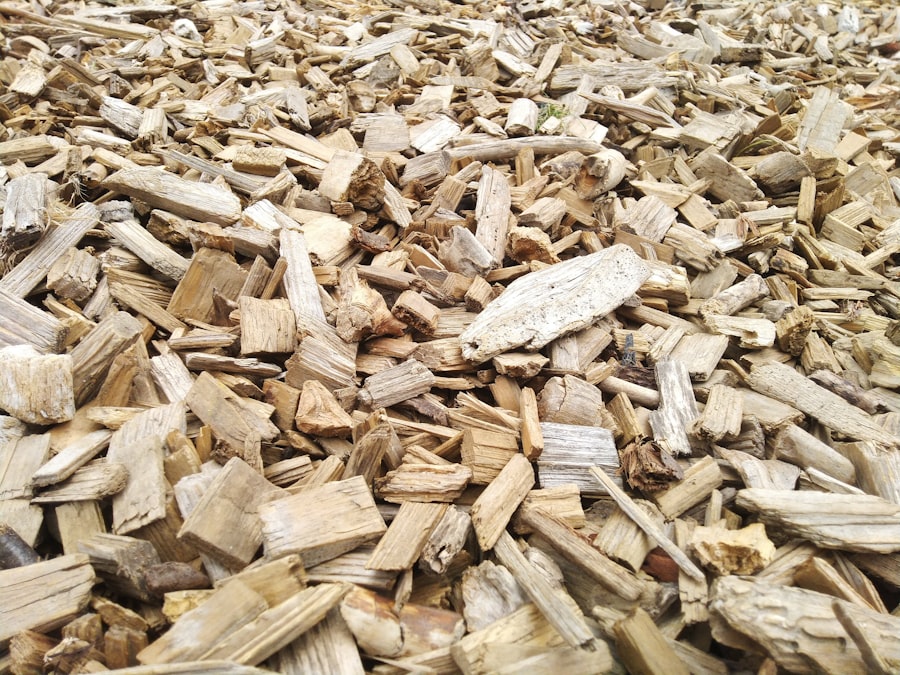
Engaging professional pest control services is a critical step in addressing termite infestations effectively. When selecting a pest control company, look for those with experience in dealing with historic properties and an understanding of preservation principles. You want to ensure that their methods will not only eliminate termites but also protect the integrity of your structure.
During your initial consultation with pest control professionals, discuss your concerns about preserving historical elements while addressing the infestation. They may offer various treatment options, including chemical treatments, bait systems, or even natural alternatives that align with your preservation goals. By collaborating closely with these experts, you can develop a tailored plan that effectively manages the termite problem while safeguarding your property’s historical significance.
Considering Environmental Impact
As you navigate the challenges posed by termite infestations in historic structures, it’s essential to consider the environmental impact of your choices. Traditional pest control methods often involve chemicals that can harm not only termites but also beneficial insects and surrounding ecosystems. You should explore eco-friendly alternatives that minimize harm while effectively managing pest populations.
For instance, some pest control companies offer organic treatments that utilize natural substances to deter termites without introducing harmful chemicals into your environment. Additionally, focusing on sustainable practices during restoration—such as using reclaimed materials—can further reduce your ecological footprint. By prioritizing environmentally responsible solutions, you contribute to a healthier planet while preserving your historic property.
Researching Local Disposal Regulations
When dealing with termite-infested wood from historic structures, it’s crucial to research local disposal regulations before proceeding with any removal efforts. Many municipalities have specific guidelines regarding how to handle and dispose of infested materials to prevent further spread of pests. You should familiarize yourself with these regulations to ensure compliance and avoid potential fines or legal issues.
In some cases, local authorities may require that infested wood be treated before disposal or may have designated facilities for handling such materials. Understanding these requirements will help you navigate the disposal process more smoothly and responsibly. Additionally, consulting with local waste management services can provide clarity on best practices for disposing of termite-infested wood while adhering to regulations.
Exploring Recycling and Repurposing Options
Instead of simply disposing of termite-infested wood, consider exploring recycling and repurposing options that align with sustainable practices. Many communities have programs dedicated to reclaiming materials from construction and demolition projects, allowing you to divert waste from landfills while supporting local initiatives. You might also connect with artisans or craftsmen who specialize in working with reclaimed wood.
They may be interested in purchasing or accepting salvaged materials for their projects, giving new life to what would otherwise be discarded. By taking this approach, you not only contribute to environmental sustainability but also foster a sense of community by supporting local artisans and businesses.
Safely Removing and Transporting the Wood
If you determine that removal of termite-infested wood is necessary, it’s vital to do so safely and responsibly. Begin by wearing appropriate protective gear such as gloves and masks to minimize exposure to dust and potential allergens during removal. Ensure that you have the right tools on hand for dismantling and transporting the wood without causing further damage.
When transporting infested wood, take care to seal it properly to prevent any termites from escaping during transit. This may involve wrapping it in plastic sheeting or using containers designed for hazardous materials. By following these safety protocols, you can mitigate risks associated with transporting infested materials while protecting both yourself and others from potential exposure.
Documenting the Disposal Process for Historic or Antique Structures
Finally, documenting the disposal process for termite-infested wood from historic or antique structures is essential for maintaining accurate records and ensuring transparency in preservation efforts. Keep detailed notes on inspections, treatments performed, and any communications with pest control professionals or preservation experts. This documentation serves multiple purposes: it provides a historical account of the property’s condition over time, aids in future restoration efforts, and may be required for compliance with local regulations regarding historic preservation.
By maintaining thorough records, you contribute to a greater understanding of your property’s history while ensuring that future caretakers have access to vital information about its past challenges and successes in preservation efforts. In conclusion, addressing termite infestations in historic or antique structures requires a multifaceted approach that balances pest control with preservation principles. By understanding risks, consulting experts, assessing damage, exploring salvage options, considering environmental impacts, and documenting processes thoroughly, you can navigate this complex issue effectively while honoring the historical significance of your property.
If you are dealing with termite-infested wood in a historic or antique structure, it is crucial to handle it with care to preserve the integrity of the building. In addition to safely disposing of the wood, it is important to address the root cause of the termite infestation to prevent further damage. For expert advice on pest control services in California, including Fresno and Salinas, you can check out Thrift Pest Control. They offer professional solutions to effectively eliminate termites and protect your property from future infestations.
FAQs
What is the best way to safely dispose of termite-infested wood from a historic or antique structure?
The best way to safely dispose of termite-infested wood from a historic or antique structure is to consult with a professional pest control company or a preservation specialist. They can provide guidance on the proper methods for handling and disposing of the wood to prevent the spread of termites to other areas.
Can termite-infested wood be salvaged or reused in any way?
In some cases, termite-infested wood from a historic or antique structure can be salvaged or reused after undergoing treatment to eliminate the termites. However, this should only be done under the guidance of a professional who can ensure that the wood is properly treated and safe to use.
What precautions should be taken when handling termite-infested wood?
When handling termite-infested wood, it is important to wear protective gear such as gloves and a mask to prevent direct contact with the termites or their droppings. It is also important to avoid spreading the termites to other areas, so the wood should be carefully contained and transported to a disposal site.
How should termite-infested wood be disposed of?
Termite-infested wood should be disposed of in a manner that prevents the spread of termites to other areas. This may involve sealing the wood in plastic or another containment material and transporting it to a designated disposal site, such as a landfill or incinerator, where it can be safely and effectively destroyed.
Are there any regulations or guidelines for disposing of termite-infested wood?
Local regulations and guidelines may vary, so it is important to check with the appropriate authorities to ensure that the disposal of termite-infested wood complies with any applicable laws or regulations. In some cases, there may be specific requirements for the handling and disposal of wood that is infested with termites.