
Termites are often viewed as mere nuisances, but their presence can pose significant health risks that extend beyond the structural damage they inflict on homes and buildings. These small, wood-eating insects are notorious for their ability to silently consume wooden structures, leading to costly repairs and potential safety hazards. However, the implications of a termite infestation go beyond just property damage; they can also impact the health of humans and pets living in infested environments.
Understanding the health risks associated with termites is crucial for homeowners and pet owners alike, as it allows you to take proactive measures to protect your loved ones. As you delve deeper into the world of termites, you may discover that their impact on health is often overlooked. While most people are aware of the structural dangers posed by these pests, the potential for allergic reactions, respiratory issues, and other health concerns is less commonly discussed.
By recognizing the full scope of risks associated with termites, you can better equip yourself to address any infestations and safeguard your home environment. This article will explore the various health risks linked to termites, both for humans and pets, and provide practical strategies for mitigating these dangers.
Key Takeaways
- Termites can pose health risks to humans and pets due to their ability to spread allergens and cause respiratory issues.
- Allergies and respiratory issues are common health risks associated with termites, as their presence can exacerbate existing conditions.
- Pets can also be affected by termites, experiencing similar health risks such as allergies and respiratory issues.
- Regular inspections and maintenance are crucial in mitigating health risks associated with termites for both humans and pets.
- Proper waste management, moisture control, and the use of termite-resistant materials are effective strategies for reducing health risks from termites.
Health Risks Associated with Termites for Humans
The health risks posed by termites to humans can manifest in several ways, primarily through allergic reactions and respiratory issues. When termites infest a home, they can produce droppings, shed wings, and other debris that may trigger allergies in sensitive individuals. If you or someone in your household has a history of allergies or asthma, exposure to these particles can exacerbate existing conditions, leading to increased discomfort and health complications.
The presence of termites can also create an environment conducive to mold growth, which further complicates respiratory health. In addition to allergies, the psychological impact of a termite infestation should not be underestimated. The stress and anxiety that come with knowing your home is being compromised by these pests can take a toll on your mental well-being.
You may find yourself constantly worrying about the structural integrity of your home or the potential health effects on your family. This emotional strain can lead to sleepless nights and increased tension within the household, ultimately affecting your overall quality of life.
Health Risks Associated with Termites for Pets
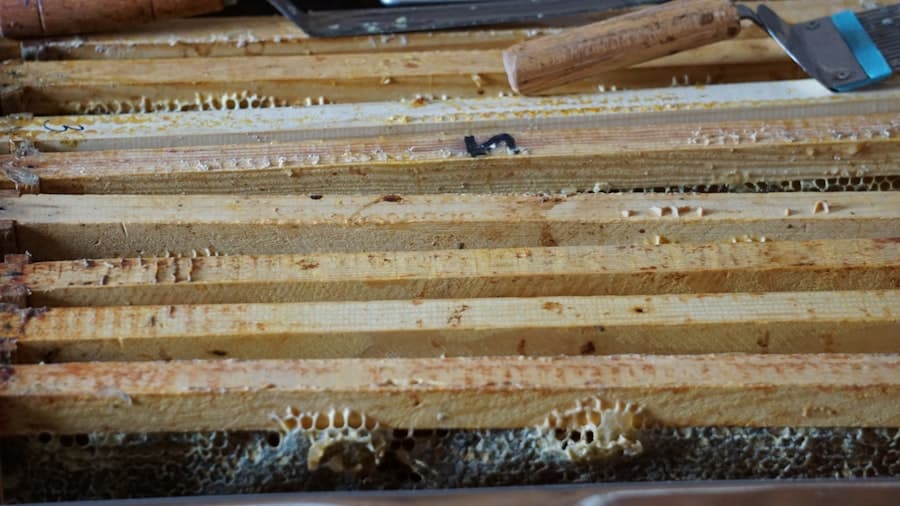
Your pets are not immune to the health risks associated with termite infestations. Just like humans, pets can experience allergic reactions to termite droppings and debris. If you have a dog or cat that spends time indoors, they may come into contact with these particles, leading to symptoms such as itching, sneezing, or gastrointestinal distress.
In some cases, pets may even develop more severe reactions that require veterinary attention. Moreover, the structural damage caused by termites can create safety hazards for your furry friends. As termites weaken wooden structures, floors and furniture may become unstable, posing a risk of injury to pets who may not be aware of their surroundings.
Additionally, if your pet ingests any termite-related debris or even the termites themselves, it could lead to digestive issues or other health complications. Being vigilant about termite infestations is essential not only for your own health but also for the well-being of your beloved pets.
Allergies and Respiratory Issues
Allergies and respiratory issues are among the most significant health concerns linked to termite infestations. The droppings and shed wings of termites can become airborne, creating a potential hazard for anyone living in an infested home. If you have allergies or asthma, exposure to these particles can trigger symptoms such as sneezing, coughing, nasal congestion, and even difficulty breathing.
For those with pre-existing respiratory conditions, the presence of termites can exacerbate symptoms and lead to more severe health complications. In addition to direct exposure to termite debris, the moisture often associated with termite infestations can contribute to mold growth within your home. Mold spores can become airborne and circulate throughout your living space, further aggravating respiratory issues and allergies.
If you notice an increase in allergy symptoms or respiratory problems among your family members or pets, it may be time to investigate potential termite activity in your home. Taking action early can help mitigate these health risks and create a safer environment for everyone.
Structural Damage and Safety Risks
The structural damage caused by termites is not only a financial concern but also a significant safety risk for you and your family. As these pests consume wood and weaken structural components of your home, you may find yourself facing potential hazards such as collapsing ceilings or floors. This risk is particularly concerning in areas where heavy furniture is placed or where people frequently walk.
The last thing you want is for a loved one to suffer an injury due to compromised structural integrity. Furthermore, the presence of termites can lead to additional safety concerns related to fire hazards. Termites often thrive in damp environments, which can create conditions conducive to mold growth and decay in wooden structures.
This decay can weaken load-bearing beams and other critical components of your home, increasing the risk of fire hazards if electrical wiring becomes compromised. By addressing termite infestations promptly, you not only protect your property but also ensure the safety of everyone who resides within it.
Mitigating Health Risks for Humans and Pets
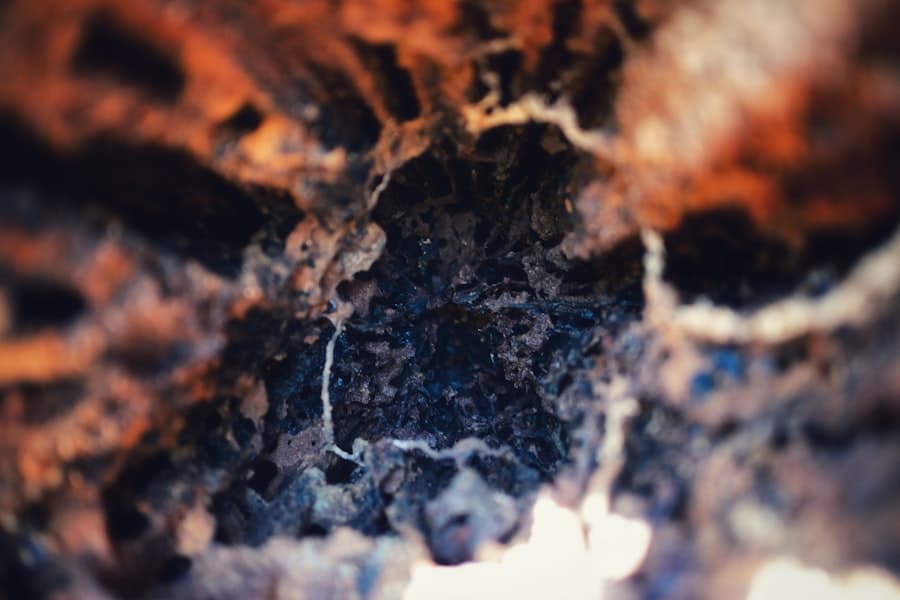
Mitigating health risks associated with termites requires a proactive approach that encompasses both prevention and intervention strategies. One of the first steps you can take is to conduct regular inspections of your home for signs of termite activity. Look for mud tubes along walls, discarded wings near windowsills, or hollow-sounding wood when tapped.
If you suspect an infestation, it’s essential to act quickly to minimize potential health risks for both yourself and your pets. In addition to inspections, maintaining a clean living environment is crucial in reducing allergens associated with termites. Regularly vacuuming and dusting can help eliminate any debris that may have accumulated due to an infestation.
Furthermore, consider using air purifiers equipped with HEPA filters to capture airborne particles that could trigger allergies or respiratory issues. By taking these steps, you create a healthier living space that benefits both you and your furry companions.
Regular Inspections and Maintenance
Regular inspections and maintenance are vital components of effective termite management. By scheduling routine inspections with a pest control professional or conducting them yourself, you can catch any signs of termite activity early on. This proactive approach allows you to address infestations before they escalate into more significant problems that could jeopardize your health and safety.
In addition to inspections, maintaining your home’s structural integrity is essential in preventing termite infestations. Ensure that any wood in contact with soil is treated or replaced with termite-resistant materials. Regularly check for leaks or moisture issues that could attract termites and address them promptly.
By staying vigilant about maintenance tasks, you significantly reduce the likelihood of a termite infestation taking hold in your home.
Proper Waste Management and Moisture Control
Proper waste management and moisture control play crucial roles in preventing termite infestations and mitigating associated health risks. Termites are attracted to decaying wood and organic matter; therefore, it’s essential to manage waste effectively by disposing of any fallen branches or wooden debris promptly. Keeping your yard clean not only deters termites but also creates a more pleasant outdoor environment for you and your pets.
Moisture control is equally important in preventing termite activity. Termites thrive in damp conditions; thus, addressing any leaks or water accumulation around your home is vital. Ensure that gutters are clean and functioning correctly to direct water away from your foundation.
Additionally, consider using dehumidifiers in areas prone to moisture buildup, such as basements or crawl spaces. By controlling moisture levels around your home, you create an inhospitable environment for termites while promoting better air quality for everyone inside.
Use of Termite-Resistant Materials
Incorporating termite-resistant materials into your home construction or renovation projects is an effective strategy for mitigating health risks associated with these pests. When building or remodeling, consider using materials such as steel framing or concrete instead of traditional wood products that are more susceptible to termite damage. Additionally, treated wood products designed specifically for resistance against termites can provide added protection without compromising aesthetics.
By investing in termite-resistant materials upfront, you not only safeguard your property from potential infestations but also reduce the likelihood of health risks associated with termites over time. This proactive approach ensures that both you and your pets can enjoy a safe living environment free from the dangers posed by these pests.
Professional Pest Control Services
When it comes to managing termite infestations effectively, enlisting the help of professional pest control services is often the best course of action. Pest control experts have the knowledge and experience necessary to identify signs of infestation accurately and implement targeted treatment plans tailored to your specific situation. They can also provide valuable advice on preventive measures that will help keep termites at bay in the future.
Professional pest control services utilize advanced techniques and products designed specifically for termite management while prioritizing safety for both humans and pets. By relying on their expertise, you can rest assured that any existing infestations will be addressed promptly while minimizing potential health risks associated with exposure to harmful chemicals or ineffective treatments.
Conclusion and Summary of Mitigation Strategies
In conclusion, understanding the health risks associated with termites is essential for protecting both yourself and your pets from potential harm. From allergic reactions and respiratory issues to structural damage and safety hazards, the implications of a termite infestation extend far beyond mere property concerns. By implementing effective mitigation strategies—such as regular inspections, proper waste management, moisture control measures, using termite-resistant materials, and seeking professional pest control services—you can create a safer living environment for everyone in your home.
Taking proactive steps not only helps prevent infestations but also ensures that any existing issues are addressed promptly before they escalate into more significant problems. By prioritizing both prevention and intervention strategies, you empower yourself to maintain a healthy home free from the dangers posed by termites while safeguarding the well-being of your loved ones—both human and furry alike.
If you are concerned about the health risks posed by termites to humans or pets, you may want to consider hiring a professional pest control service. One option to explore is Thrift Pest Control in Milwaukee, Wisconsin. They can help you mitigate the risks associated with termite infestations and ensure the safety of your family and pets. Additionally, you may want to read the article “How to Protect Your Home from Termite Damage” on their website for more information on termite prevention and control.
FAQs
What health risks do termites pose to humans and pets?
Termites do not pose direct health risks to humans or pets as they do not bite or sting. However, they can cause structural damage to buildings and wooden furniture, which can indirectly affect the health and safety of occupants.
How can termites affect the health of humans and pets?
Termites can cause allergic reactions in some individuals when their saliva, feces, or shed wings come into contact with the skin or are inhaled. Additionally, the presence of termites can lead to mold growth, which can exacerbate respiratory issues in humans and pets.
How can I mitigate the health risks associated with termites?
To mitigate the health risks associated with termites, it is important to address any infestations promptly by contacting a professional pest control service. Additionally, maintaining a clean and dry environment can help prevent mold growth and reduce the risk of respiratory issues. Regular inspections of buildings and wooden structures can also help identify and address termite infestations early.