
Termites are often referred to as the silent destroyers, and for good reason. These small insects can cause significant damage to wooden structures and materials, often going unnoticed until the destruction is extensive. As you delve into the world of libraries and historic archives, it becomes clear that these institutions are particularly vulnerable to termite infestations.
The very essence of libraries and archives lies in their collections, which often include wooden shelves, furniture, and invaluable documents. Understanding the threat posed by termites is crucial for anyone involved in the preservation of knowledge and culture. The impact of termite infestations can be devastating, not only in terms of physical damage but also in the loss of irreplaceable historical artifacts.
As you explore this topic further, you will discover the various ways termites can infiltrate these spaces and the importance of proactive measures to safeguard against them. By recognizing the potential threats posed by termites, you can take steps to protect the treasures housed within libraries and archives, ensuring that future generations have access to the knowledge and history contained within their walls.
Key Takeaways
- Termite infestations pose a serious threat to libraries and historic archives, causing irreversible damage to valuable collections.
- Identifying termite infestations early is crucial for preventing extensive damage to libraries and archives.
- Regular inspections and collaboration with pest control professionals are essential for effective termite prevention and detection.
- Preservation plays a vital role in protecting knowledge from termites, emphasizing the importance of proactive measures.
- Educating staff and visitors about termite prevention and detection is key to safeguarding libraries and archives for future generations.
The Impact of Termites on Libraries and Historic Archives
The impact of termites on libraries and historic archives can be profound. These pests are not just a nuisance; they can lead to the degradation of essential materials that hold cultural and historical significance. When termites invade a library or archive, they often target wooden structures first, including shelves, cabinets, and even the bindings of books.
This can result in structural instability, making it difficult to access collections and potentially leading to further damage over time. Moreover, the presence of termites can create an environment of uncertainty and fear among staff and patrons alike. The thought that a beloved book or a priceless manuscript could be at risk due to these pests can be disheartening.
As you consider the implications of termite damage, it becomes evident that protecting libraries and archives is not just about preserving physical items; it is also about maintaining the integrity of knowledge and history for future generations. The loss of even a single document can have ripple effects on research, education, and cultural heritage.
Identifying Termite Infestations in Libraries and Archives
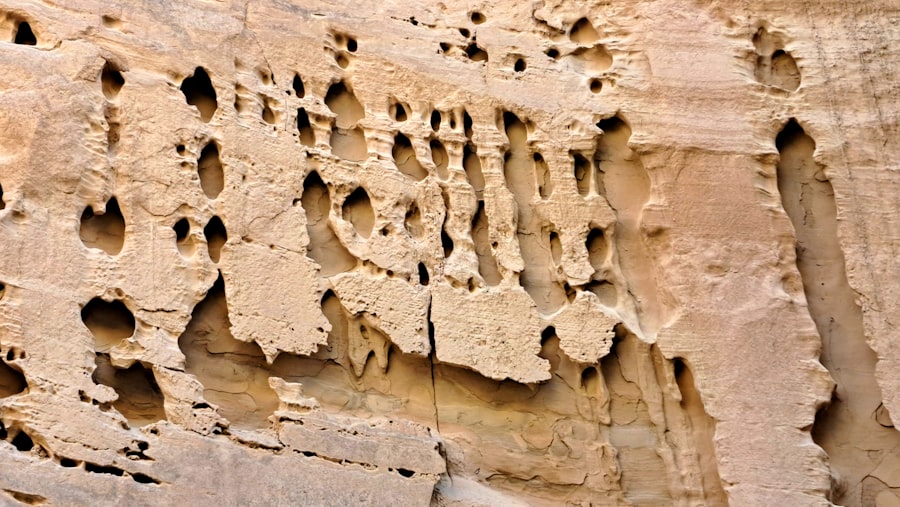
Identifying termite infestations in libraries and archives requires vigilance and awareness. You may not always see the pests themselves, as they often work silently behind walls or within wooden structures. However, there are several signs you can look for that may indicate an infestation.
One common indicator is the presence of mud tubes, which termites construct as a protective pathway between their colony and their food source. These tubes are typically found along walls or foundations and can be a clear sign that termites are nearby. Another sign to watch for is damaged wood.
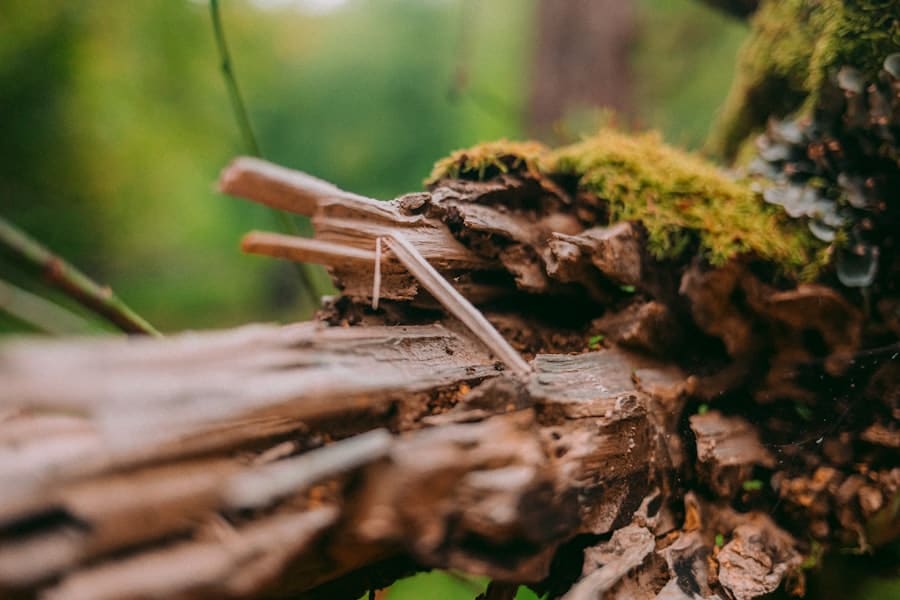
If you notice hollow-sounding wood or wood that crumbles easily when touched, it may be a sign that termites have been at work. Additionally, discarded wings from swarmers—reproductive termites—can often be found near windows or light sources as they leave their colonies to establish new ones. By being proactive in your observations and familiarizing yourself with these signs, you can help ensure that any potential infestations are caught early before they escalate into more significant problems.
Preventative Measures for Protecting Libraries and Archives
Taking preventative measures is essential for protecting libraries and archives from termite infestations. One of the most effective strategies is to maintain a clean and dry environment. Termites thrive in damp conditions, so ensuring proper ventilation and humidity control can significantly reduce the risk of an infestation.
Regularly inspecting areas prone to moisture, such as basements or storage rooms, will help you identify potential issues before they become serious problems. In addition to environmental controls, consider implementing physical barriers to deter termites from entering your library or archive. This may include using treated wood for shelving and furniture or installing metal barriers around the foundation of the building.
Regular maintenance checks on the structure itself can also help identify vulnerabilities that could allow termites access to your valuable collections. By combining these preventative measures with ongoing education about termite threats, you can create a robust defense against these destructive pests.
Treatment Options for Termite Infestations in Libraries and Archives
If you discover a termite infestation in your library or archive, it is crucial to act quickly to mitigate damage. There are several treatment options available that can effectively eliminate termites while minimizing disruption to your collections. One common method is the use of liquid insecticides that are applied directly to infested areas.
These chemicals work by targeting the termites’ nervous systems, effectively eradicating them from the premises. Another option is baiting systems, which involve placing bait stations around the perimeter of the building. These stations contain slow-acting insecticides that are carried back to the colony by worker termites, ultimately leading to the elimination of the entire colony over time.
This method is particularly useful for larger infestations where immediate action is necessary but where you want to avoid using harsh chemicals indoors. Regardless of the treatment method chosen, it is essential to work with pest control professionals who understand the unique needs of libraries and archives to ensure that your collections remain safe during the process.
The Importance of Regular Inspections for Termite Prevention
Frequency of Inspections
It is advisable to schedule inspections at least once a year, although more frequent checks may be necessary in areas known for high termite activity.
What to Look for During Inspections
During these inspections, you should look for signs of damage, moisture issues, and any other factors that could attract termites. In addition to physical inspections, consider implementing a monitoring system that tracks environmental conditions within your library or archive. This could include humidity levels, temperature fluctuations, and any signs of water leaks or damage.
Creating a Culture of Awareness
By staying vigilant and proactive in your approach to inspections, you can create a culture of awareness among staff members and ensure that everyone understands their role in protecting your institution from termite threats.
Case Studies of Termite Damage to Libraries and Archives
Examining case studies of termite damage to libraries and archives can provide valuable insights into the potential consequences of infestations. One notable example is the case of a historic library in New England that suffered extensive damage due to a hidden termite colony within its walls. The infestation went unnoticed for years until structural damage became apparent, leading to costly repairs and the loss of several rare manuscripts that were beyond restoration.
Another case involved an archive in a southern state where termites compromised wooden shelving units housing important documents. The infestation was discovered during a routine inspection, but by then, significant damage had already occurred. This incident highlights the importance of regular monitoring and swift action when signs of infestation are detected.
By learning from these case studies, you can better understand the risks associated with termite infestations and reinforce the need for preventative measures within your own institution.
The Role of Preservation in Protecting Knowledge from Termites
Preservation plays a critical role in safeguarding knowledge from threats like termites. In libraries and archives, preservation encompasses not only physical conservation techniques but also proactive measures aimed at preventing damage from pests. This includes proper storage practices for books and documents, such as using archival-quality materials that are less susceptible to damage from insects.
Additionally, preservation efforts should extend beyond individual items to encompass the entire environment in which collections are housed. This means creating conditions that deter pests while promoting the longevity of materials. By prioritizing preservation as a core value within your institution, you can foster a culture of care that emphasizes the importance of protecting knowledge for future generations.
Collaborating with Pest Control Professionals to Safeguard Libraries and Archives
Collaborating with pest control professionals is essential for effectively safeguarding libraries and archives against termite threats. These experts bring specialized knowledge and experience that can help you develop a comprehensive pest management plan tailored to your institution’s unique needs. When selecting a pest control partner, look for professionals who have experience working with cultural institutions and understand the delicate nature of library collections.
A successful collaboration involves open communication about your institution’s goals for preservation and pest management. Together with pest control professionals, you can create an integrated approach that combines preventative measures with responsive treatment options when necessary. This partnership not only enhances your ability to protect against termites but also fosters a sense of shared responsibility for preserving cultural heritage.
Educating Staff and Visitors about Termite Prevention and Detection
Education is a powerful tool in preventing termite infestations in libraries and archives. By equipping staff members with knowledge about termite threats, detection methods, and preventative measures, you empower them to take an active role in safeguarding collections. Consider hosting training sessions or workshops focused on identifying signs of infestation and understanding best practices for maintaining a pest-free environment.
In addition to staff education, consider extending awareness efforts to visitors as well. Informational signage throughout your library or archive can raise awareness about termite prevention while encouraging patrons to report any suspicious signs they may encounter during their visits. By fostering a culture of vigilance among both staff and visitors, you create a united front against termite threats that helps protect your institution’s invaluable collections.
Preserving the Past for Future Generations
In conclusion, preserving libraries and historic archives from termite threats is an essential endeavor that requires vigilance, education, and collaboration. As you reflect on the various aspects discussed throughout this article—from identifying infestations to implementing preventative measures—it becomes clear that safeguarding knowledge is not just about protecting physical items; it is about ensuring that future generations have access to our shared history. By taking proactive steps today—such as conducting regular inspections, collaborating with pest control professionals, and educating staff and visitors—you contribute to a legacy of preservation that honors the past while securing it for tomorrow’s learners and researchers.
Together, we can create resilient institutions that stand strong against the silent threat of termites, ensuring that our cultural heritage remains intact for years to come.
Termite infestations can pose a serious threat to libraries and historic archives, potentially causing irreparable damage to valuable documents and artifacts. To protect these repositories of knowledge, it is crucial to enlist the help of professional pest control services. One such service can be found in Arlington, Texas, where