
When you think about purchasing a home, the excitement of finding the perfect property often overshadows the potential pitfalls that come with it. One of the most insidious threats to your investment is termites. These tiny insects, often referred to as “silent destroyers,” can wreak havoc on a property without you even realizing it until significant damage has been done.
Understanding the role termites play in real estate is crucial for both buyers and sellers. As a prospective homeowner, you need to be aware of the risks associated with termite infestations and how they can impact your investment. Termites are not just a nuisance; they can lead to extensive structural damage that may cost thousands of dollars to repair.
In many regions, particularly those with warm climates, termite infestations are a common occurrence. This makes it essential for you to educate yourself about these pests and their implications in real estate transactions. Whether you are buying, selling, or simply maintaining a property, being informed about termites can save you from unexpected financial burdens and help you make better decisions.
Key Takeaways
- Termites can cause significant damage to real estate properties, making it important for homebuyers and sellers to be aware of the signs of infestation and the potential impact on property value.
- Signs of termite infestation include mud tubes, hollow-sounding wood, discarded wings, and visible damage to wooden structures.
- Termite infestations can significantly reduce the value of a property and may require costly treatment and repairs, making it essential for both buyers and sellers to address the issue.
- Pre-purchase termite inspections are crucial for homebuyers to identify any existing infestations and potential damage before finalizing a real estate transaction.
- Treatment and repair costs for termite infestations can vary depending on the extent of the damage, and it’s important for both buyers and sellers to consider these expenses in real estate transactions.
Signs of Termite Infestation in a Property
Recognizing the signs of a termite infestation is your first line of defense against these destructive pests. One of the most telling indicators is the presence of mud tubes, which termites construct to travel between their nests and food sources. These tubes are typically found along walls, foundations, or even inside wooden structures.
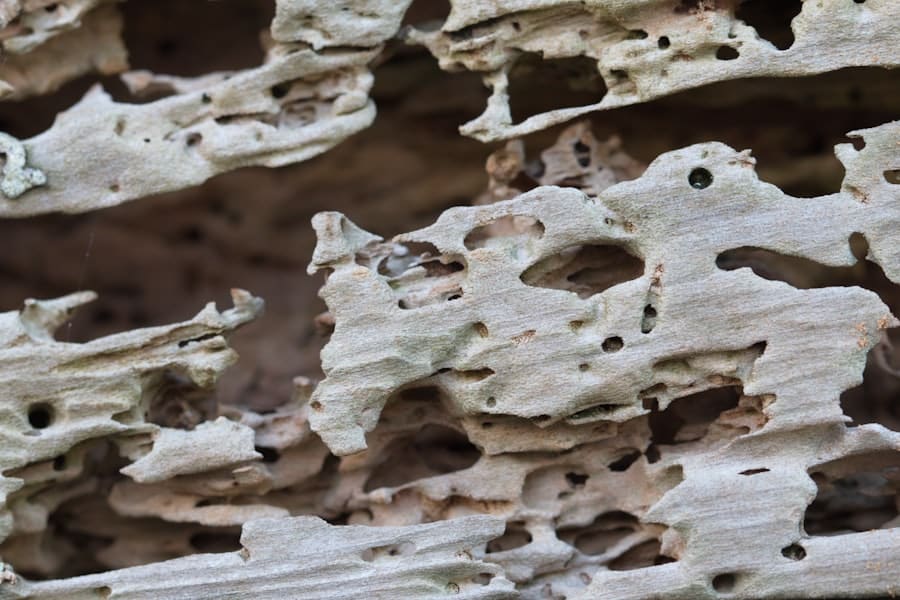
If you notice these tubes, it’s a clear sign that termites are nearby and that immediate action is required. Another sign to look out for is damaged wood. Termites consume wood from the inside out, so you may not see obvious external damage until it’s too late.
If you tap on wooden beams or furniture and hear a hollow sound, this could indicate that termites have been feasting on the wood. Additionally, discarded wings from swarmers—reproductive termites—can often be found near windowsills or light fixtures, signaling that an infestation may be present. Being vigilant about these signs can help you catch a termite problem early and mitigate potential damage.
Impact of Termites on Property Value
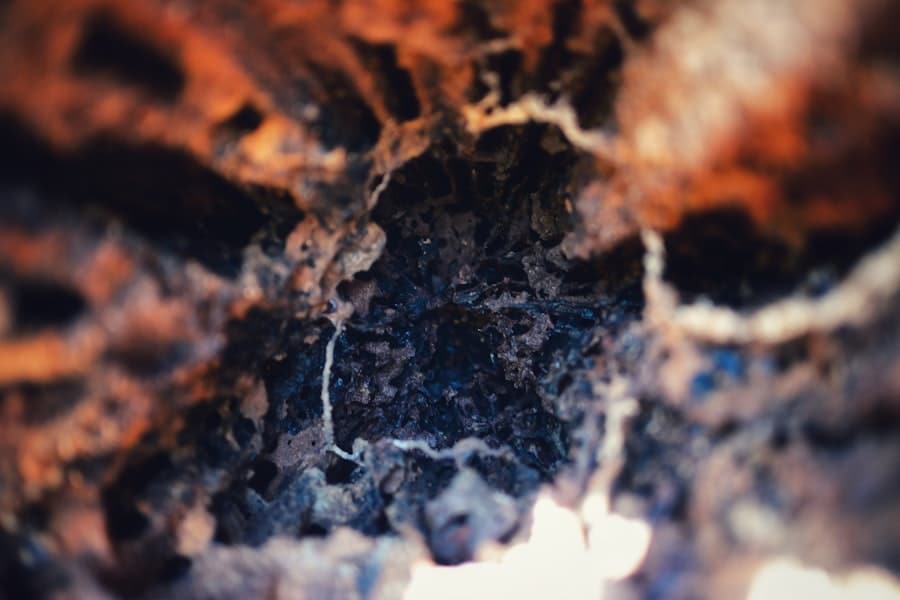
The presence of termites can significantly affect the value of a property, making it essential for you to understand this impact if you’re considering buying or selling real estate. For sellers, an active infestation or even past termite issues can deter potential buyers and lead to lower offers. Many buyers are wary of properties with a history of termite problems, fearing that they may face costly repairs down the line.
This can result in a longer time on the market and ultimately a reduced sale price. For buyers, discovering termite damage during an inspection can be a deal-breaker. Even if the infestation has been treated, the stigma associated with termites can linger, affecting your perception of the property’s value.
You may find yourself negotiating for a lower price or asking for repairs before finalizing the purchase. Understanding how termites influence property value is crucial for both parties involved in a transaction, as it can shape negotiations and expectations.
Pre-Purchase Termite Inspections for Homebuyers
As a homebuyer, one of the most prudent steps you can take is to arrange for a pre-purchase termite inspection. This inspection is typically conducted by a licensed pest control professional who will assess the property for signs of infestation and damage. By investing in this service, you gain peace of mind knowing that you are making an informed decision about your potential new home.
During the inspection, the professional will look for various indicators of termite activity, including mud tubes, damaged wood, and even live insects. If any issues are discovered, you will have the opportunity to address them before finalizing your purchase. This could mean negotiating repairs with the seller or reconsidering your offer altogether.
A pre-purchase termite inspection is not just an added expense; it’s an essential step in protecting your investment and ensuring that your new home is safe and sound.
Treatment and Repair Costs for Termite Infestations
If you find yourself facing a termite infestation, understanding the potential costs associated with treatment and repairs is vital. Treatment options vary depending on the severity of the infestation and can range from chemical treatments to bait systems designed to eliminate colonies over time. On average, homeowners can expect to pay anywhere from $200 to $2,500 for professional treatment services, depending on the extent of the problem.
In addition to treatment costs, you must also consider repair expenses if structural damage has occurred. Repairing damaged wood can be particularly costly, especially if it involves foundational elements or load-bearing structures. Depending on the severity of the damage, repair costs can easily reach thousands of dollars.
Being aware of these potential expenses can help you budget accordingly and make informed decisions about how to proceed if you encounter termites in your property.
Disclosures and Legal Responsibilities for Sellers
As a seller, it’s crucial to understand your legal responsibilities regarding termite disclosures. Many states require sellers to disclose any known pest issues, including past infestations or treatments. Failing to disclose this information can lead to legal repercussions and financial liabilities down the line.
It’s in your best interest to be transparent about any termite history associated with your property. Moreover, providing documentation of past treatments or inspections can enhance your credibility as a seller. Buyers are more likely to feel comfortable purchasing a home that has been well-maintained and monitored for pests.
By being upfront about any termite issues and demonstrating that you have taken steps to address them, you can foster trust with potential buyers and facilitate a smoother transaction.
Termite Prevention and Maintenance for Homeowners
Once you’ve purchased your home, proactive measures are essential in preventing termite infestations. Regular maintenance is key to keeping these pests at bay. Start by ensuring that there are no wood-to-soil contacts around your property; this includes keeping mulch away from foundations and ensuring that wooden structures are elevated off the ground.
Additionally, consider scheduling annual inspections with pest control professionals who can identify potential risks before they become serious problems. Simple actions like fixing leaks and ensuring proper drainage around your home can also deter termites from making their way inside. By taking these preventive measures seriously, you can protect your investment and enjoy peace of mind knowing that your home is safeguarded against these destructive pests.
Insurance Coverage for Termite Damage
When it comes to insurance coverage for termite damage, it’s essential to understand what your policy includes—or excludes. Most standard homeowners’ insurance policies do not cover damage caused by termites since infestations are considered preventable through proper maintenance and inspections. This means that if termites do invade your home and cause damage, you may be left footing the bill for repairs out of pocket.
To protect yourself financially, consider looking into specialized pest control insurance or warranties that cover treatment and repair costs associated with termite infestations. These policies can provide an added layer of security and peace of mind as you navigate homeownership. Always read through your insurance policy carefully and consult with your agent to ensure you have adequate coverage against potential pest-related issues.
Working with Pest Control Professionals
When dealing with termites, enlisting the help of pest control professionals is often your best course of action. These experts have the training and experience necessary to identify infestations accurately and recommend effective treatment options tailored to your specific situation. When selecting a pest control company, look for licensed professionals with positive reviews and a solid reputation in your community.
Once you’ve chosen a pest control service, they will conduct a thorough inspection of your property to assess any signs of termite activity or damage. Based on their findings, they will develop a customized treatment plan designed to eliminate existing infestations and prevent future ones from occurring. Working closely with these professionals ensures that you are taking proactive steps toward protecting your home from termites.
Negotiating Termite Issues in Real Estate Transactions
Negotiating termite issues during real estate transactions can be challenging but necessary for both buyers and sellers. If you’re a buyer who discovers termite damage during an inspection, it’s essential to approach negotiations thoughtfully. You may want to request that the seller either address the issue before closing or adjust the sale price accordingly to account for repair costs.
On the other hand, as a seller facing negotiations over termite issues, being prepared with documentation regarding past treatments or inspections can strengthen your position. If you’ve already taken steps to address any infestations or damage, presenting this information can reassure buyers and facilitate smoother negotiations. Ultimately, open communication between both parties is key in reaching an agreement that satisfies everyone involved.
Conclusion and Key Takeaways for Homebuyers and Sellers
In conclusion, understanding termites’ role in real estate is crucial for both buyers and sellers alike. As a buyer, being vigilant about signs of infestation and investing in pre-purchase inspections can save you from costly surprises down the line. For sellers, transparency regarding past termite issues not only fulfills legal obligations but also fosters trust with potential buyers.
Both parties should be aware of treatment costs and repair expenses associated with infestations while also considering preventive measures to protect their investments long-term. By working closely with pest control professionals and maintaining open lines of communication during negotiations, you can navigate termite-related challenges effectively. Ultimately, knowledge is power when it comes to dealing with termites in real estate transactions.
By arming yourself with information about these pests and their implications, you can make informed decisions that safeguard your investment and ensure peace of mind as you embark on your real estate journey.
When considering the impact of termites on real estate transactions, it is crucial for homebuyers and sellers to be aware of the potential damage these pests can cause. In addition to seeking out reputable pest control services, it is important to understand the signs of termite infestation and how to prevent it. For those in San Francisco, California, the best pest control service can be found at Thrift Pest Control. Similarly, residents in Madison, Wisconsin, can rely on Thrift Pest Control is the go-to company for all pest control needs. By being proactive and informed about termite prevention and treatment, homebuyers and sellers can ensure a smooth real estate transaction.
FAQs
What are termites?
Termites are small, pale insects that feed on wood and can cause significant damage to wooden structures.
Why are termites a concern for homebuyers and sellers?
Termites can cause extensive damage to a property, potentially leading to costly repairs. This can be a concern for both homebuyers and sellers as it can affect the value of the property.
How can termites affect a real estate transaction?
If termites are discovered in a property, it can impact the sale of the home. Buyers may be hesitant to purchase a property with a history of termite infestation, and sellers may need to address the issue before selling.
What should homebuyers look for in terms of termite damage?
Homebuyers should look for signs of termite damage such as hollow-sounding wood, mud tubes on exterior walls, and discarded termite wings. It’s also important to have a professional inspection conducted.
What can sellers do if their property has a history of termite infestation?
Sellers should disclose any past termite infestations and provide documentation of any treatments or repairs that have been done. It’s also important to address any current infestations before listing the property.
How can a professional pest inspection help in a real estate transaction?
A professional pest inspection can identify any current or past termite infestations, as well as any damage that may have been caused. This information is important for both buyers and sellers in negotiating the terms of the sale.