
When you think about household pests, termites might not be the first thing that comes to mind. However, these tiny insects pose a significant threat to your home and property. Termites are often referred to as “silent destroyers” because they can cause extensive damage before you even realize they are present.
They feed on cellulose, a component found in wood, paper, and other plant materials, which means that your home’s wooden structures, furniture, and even books can become their feast. The sheer volume of wood that a colony can consume in a short period is staggering; a single colony can eat through 5 to 10 grams of wood per day, leading to thousands of dollars in damage if left unchecked. The destructive power of termites is not just limited to the physical damage they cause.
The emotional toll can be equally significant. Imagine discovering that your home, which you have invested so much time and money into, is being slowly eaten away from the inside. This realization can lead to stress and anxiety, especially when considering the potential costs of repairs and treatments.
Understanding the threat posed by termites is the first step in safeguarding your home and ensuring that you take proactive measures to protect your investment.
Key Takeaways
- Termites have destructive power and can cause significant damage to homes and buildings.
- Signs of termite infestation include mud tubes, hollow-sounding wood, and discarded wings.
- There are different types of termites, such as subterranean, drywood, and dampwood, each with unique behavior and habits.
- The cost of termite damage can be significant, making prevention crucial for homeowners.
- Preventing termite infestation involves steps like reducing moisture, eliminating wood-to-soil contact, and using termite-resistant materials.
Signs of termite infestation: how to identify the problem
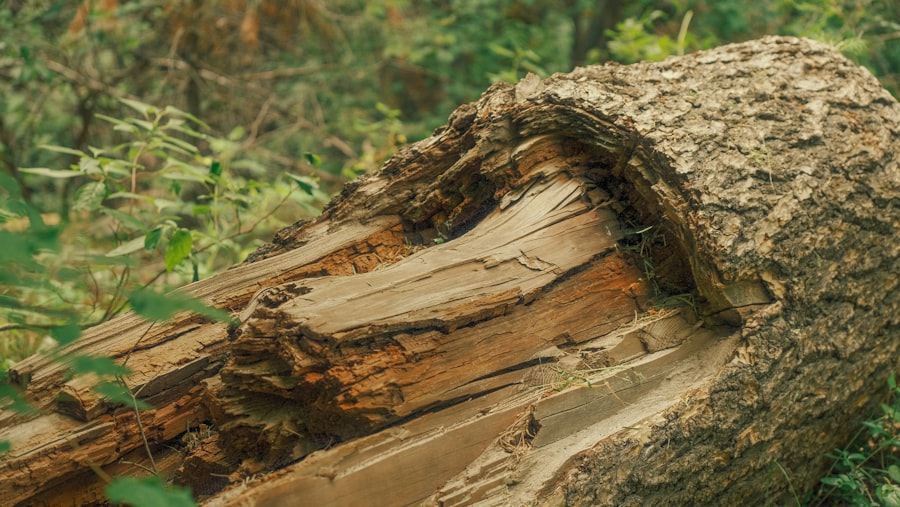
Identifying a termite infestation early can save you from extensive damage and costly repairs. One of the most common signs of termites is the presence of mud tubes, which are small tunnels made from soil and wood particles that termites use to travel between their nest and food sources. These tubes are often found along foundation walls or in crawl spaces, and spotting them should raise immediate red flags.
Additionally, you may notice discarded wings near windows or doors, as swarmers shed their wings after mating and establishing new colonies. Another telltale sign of termite activity is the sound they make. If you listen closely, you might hear a faint clicking noise coming from within your walls.
This sound is produced by worker termites as they chew through wood or communicate with each other. Furthermore, if you tap on wooden structures and hear a hollow sound, it could indicate that termites have been busy eating away at the interior. Regularly inspecting your home for these signs can help you catch an infestation early and take action before it escalates.
The different types of termites and their behavior
Termites are not a monolithic group; there are several different species, each with its own unique behaviors and preferences. The most common types include subterranean termites, drywood termites, and dampwood termites. Subterranean termites are notorious for their destructive capabilities and live underground in colonies that can number in the millions.
They build mud tubes to access food sources above ground, making them particularly dangerous as they can go undetected for long periods. Drywood termites, on the other hand, do not require contact with soil and can infest dry wood directly. They often establish colonies in attics or wooden furniture, making them harder to detect until significant damage has occurred.
Dampwood termites thrive in moist environments and are typically found in decaying wood or areas with high humidity. Understanding the different types of termites and their behaviors can help you identify potential risks in your home and take appropriate preventive measures.
The cost of termite damage: why prevention is crucial
The financial implications of termite damage can be staggering. According to estimates, homeowners in the United States spend billions of dollars each year on termite control and repairs. The average cost of repairing termite damage can range from a few hundred to several thousand dollars, depending on the extent of the infestation and the structural damage incurred.
This financial burden underscores the importance of prevention; investing in preventive measures now can save you from significant expenses down the line. Moreover, the costs associated with termite damage extend beyond immediate repairs. If your home suffers extensive damage due to termites, it may affect its resale value and marketability.
Potential buyers are often wary of homes with a history of pest infestations, which could lead to lower offers or even deter buyers altogether. By prioritizing prevention and addressing any signs of termite activity promptly, you not only protect your home but also safeguard your investment for the future.
Preventing termite infestation: steps to protect your home
Preventing a termite infestation requires a proactive approach that involves both regular maintenance and strategic planning. One of the most effective ways to protect your home is by reducing moisture levels around your property. Termites thrive in damp environments, so fixing leaks, ensuring proper drainage, and using dehumidifiers in basements can significantly reduce the risk of an infestation.
Additionally, keeping firewood and other wooden materials stored away from your home’s foundation can help deter these pests. Another crucial step in prevention is sealing any cracks or crevices in your home’s exterior. Termites can enter through surprisingly small openings, so inspecting your foundation, windows, and doors for gaps is essential.
Installing screens on vents and ensuring that gutters are clean and functioning properly can also help keep termites at bay. By taking these preventive measures seriously, you create an environment that is less hospitable to termites and significantly reduce your risk of an infestation.
Termite control methods: from DIY to professional treatment
When it comes to controlling termites, you have several options ranging from DIY methods to professional treatments. For minor infestations or preventive measures, some homeowners opt for DIY solutions such as baiting systems or natural repellents like orange oil or neem oil. These methods can be effective for small problems but may not provide a comprehensive solution for larger infestations.
For more severe cases or if you’re unsure about the extent of an infestation, enlisting the help of professional pest control services is often the best course of action. Professionals have access to advanced treatment options such as liquid termiticides or baiting systems that are specifically designed to eliminate entire colonies. They also possess the expertise needed to assess your property accurately and recommend the most effective treatment plan tailored to your situation.
Natural remedies for termite control: eco-friendly options
If you’re concerned about using chemical treatments in your home, there are several natural remedies for termite control that you might consider. One popular option is using boric acid, which is a natural insecticide that disrupts the digestive system of termites when ingested. You can create a solution by mixing boric acid with water and applying it to areas where you’ve noticed termite activity.
Another eco-friendly option is using nematodes—microscopic roundworms that are natural predators of termites. When introduced into infested areas, these nematodes seek out termites and infect them with bacteria that ultimately kill them. While natural remedies may take longer to show results compared to chemical treatments, they offer a safer alternative for those looking to minimize their environmental impact while still addressing termite issues effectively.
The importance of regular inspections and maintenance
Regular inspections are vital in maintaining a termite-free home. Scheduling annual inspections with a pest control professional allows for early detection of any potential infestations before they escalate into significant problems. During these inspections, professionals will check for signs of termite activity, assess any vulnerabilities in your home’s structure, and provide recommendations for preventive measures.
In addition to professional inspections, conducting your own routine checks can be beneficial as well. Look for signs such as mud tubes or damaged wood during seasonal maintenance tasks like cleaning gutters or inspecting your basement. By staying vigilant and proactive about inspections and maintenance, you can catch any issues early on and take action before they lead to costly repairs.
Working with professionals: choosing the right pest control company
Choosing the right pest control company is crucial when it comes to effectively managing termite infestations. Start by researching local companies that specialize in termite control; look for reviews and testimonials from previous customers to gauge their reputation and effectiveness. It’s also important to ensure that any company you consider is licensed and insured, as this protects you in case of any mishaps during treatment.
When interviewing potential pest control companies, don’t hesitate to ask about their methods and treatment options. A reputable company should be transparent about their processes and willing to answer any questions you may have regarding safety measures or expected outcomes. By taking the time to choose a qualified professional, you increase your chances of successfully eliminating termites from your property while minimizing risks associated with treatment.
Protecting your property: termite-resistant building materials and landscaping
Incorporating termite-resistant building materials into your construction or renovation plans can significantly enhance your home’s defenses against these pests. Materials such as steel framing or concrete foundations are less appealing to termites compared to traditional wood structures. Additionally, using treated wood that has been infused with insecticides can provide an extra layer of protection against infestations.
Landscaping also plays a crucial role in protecting your property from termites. Keeping mulch away from your home’s foundation and ensuring proper drainage around flower beds can help reduce moisture levels that attract these pests. Planting termite-resistant plants such as marigolds or using gravel instead of wood chips can further deter termites from approaching your home.
The future of termite control: innovative technologies and research developments
As technology continues to advance, so too does our ability to manage termite infestations more effectively. Innovative solutions such as smart monitoring systems are being developed that use sensors to detect termite activity in real-time, allowing homeowners to address issues before they escalate into major problems. These systems can send alerts directly to your smartphone, providing peace of mind even when you’re away from home.
Research into biological control methods is also gaining traction as scientists explore new ways to combat termite populations without relying solely on chemical treatments. For instance, studies are being conducted on using fungi or bacteria that specifically target termites while leaving beneficial insects unharmed. As these technologies evolve, they hold promise for creating more sustainable approaches to termite management that prioritize both effectiveness and environmental safety.
In conclusion, understanding the threat posed by termites is essential for every homeowner looking to protect their property effectively. By recognizing signs of infestation early on, implementing preventive measures, and staying informed about treatment options—whether natural or professional—you can safeguard your home against these destructive pests for years to come.
If you’re looking for eco-friendly pest control solutions to keep your home bug-free, check out this article on Best Pest Control Service in Eugene, Oregon and Best Pest Control Service in Lakewood, Colorado for recommendations and reviews.
FAQs
What are termites?
Termites are small, pale insects that feed on wood and can cause significant damage to buildings and wooden structures.
What kind of damage can termites cause?
Termites can cause extensive damage to wooden structures, including homes, furniture, and trees. They can weaken the structural integrity of buildings and cause costly repairs.
How do termites enter a building?
Termites can enter buildings through cracks in the foundation, gaps around plumbing and utility lines, and through wooden structures that are in direct contact with the soil.
How can I tell if my home has a termite infestation?
Signs of a termite infestation include hollow-sounding wood, discarded termite wings, mud tubes on exterior walls, and visible damage to wooden structures.
How can I prevent a termite infestation?
Preventative measures include keeping woodpiles away from the home, maintaining proper drainage around the foundation, and sealing cracks and crevices in the building’s exterior.
How can I get rid of termites if my home is infested?
If you suspect a termite infestation, it is best to contact a professional pest control company to assess the situation and recommend a treatment plan. Treatment options may include chemical barriers, bait systems, or fumigation.