
Pest resistance is a growing concern in agriculture and horticulture, impacting crop yields and food security worldwide. As you delve into this topic, you will discover that pest resistance occurs when pests evolve to withstand the effects of pesticides, rendering these chemicals less effective over time. This phenomenon not only challenges farmers and agricultural professionals but also poses significant risks to the environment and human health.
Understanding pest resistance is crucial for developing effective pest management strategies that can sustain agricultural productivity while minimizing ecological harm. The implications of pest resistance extend beyond mere economic losses. When pests become resistant to commonly used pesticides, it can lead to increased pesticide use, which may exacerbate environmental degradation and harm non-target organisms.
As you explore the intricacies of pest resistance, you will find that it is a multifaceted issue influenced by various biological, environmental, and management factors. The urgency to address this challenge has never been greater, as the global population continues to rise, demanding more food production from limited arable land.
Key Takeaways
- Pest resistance is a growing concern in agriculture and pest management.
- Mechanisms of pest resistance include behavioral, biochemical, and physiological adaptations.
- Case studies highlight the impact of pest resistance on crops and the need for effective management strategies.
- Chemical treatments play a role in pest management, but their overuse can contribute to resistance.
- Factors contributing to pest resistance include genetic mutations, natural selection, and environmental pressures.
The Mechanisms of Pest Resistance
Pest resistance arises through several biological mechanisms that allow pests to survive exposure to pesticides. One of the primary mechanisms is genetic mutation, where random changes in the DNA of a pest can confer resistance to a specific chemical. When a pesticide is applied, susceptible individuals are killed, while those with mutations survive and reproduce, passing on their resistant traits to the next generation.
This process can lead to a rapid increase in the population of resistant pests, making it increasingly difficult for farmers to control them. Another mechanism of pest resistance involves behavioral changes. Some pests may alter their feeding habits or develop avoidance strategies that reduce their exposure to pesticides.
For instance, certain insects may feed on plant parts that have not been treated with chemicals or may become more active during times when pesticides are less likely to be applied. Additionally, physiological adaptations can occur, such as enhanced detoxification processes that allow pests to break down and eliminate pesticides more effectively. Understanding these mechanisms is essential for developing targeted strategies to manage pest populations and mitigate resistance.
Case Studies of Pest Resistance
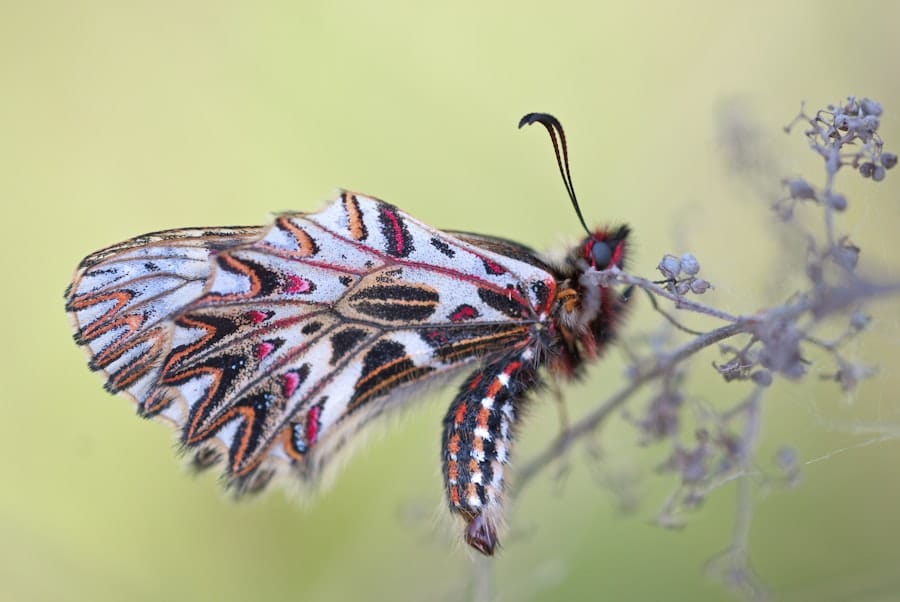
Examining real-world case studies provides valuable insights into the dynamics of pest resistance and its implications for agriculture. One notable example is the case of the cotton bollworm in the United States. Over the years, extensive use of Bt cotton, which produces a toxin harmful to this pest, led to the development of resistance in certain populations.
Farmers initially experienced significant reductions in bollworm damage; however, as resistant individuals proliferated, the effectiveness of Bt cotton diminished. This case highlights the importance of monitoring pest populations and adapting management practices to prevent resistance from becoming widespread. Another compelling case study involves the development of resistance in aphids against neonicotinoid insecticides.
These chemicals were once heralded as a breakthrough in pest control due to their effectiveness against a wide range of pests. However, over-reliance on neonicotinoids has led to reports of resistant aphid populations in various regions. This situation underscores the need for integrated pest management strategies that incorporate diverse control methods rather than relying solely on chemical treatments.
By learning from these case studies, you can better appreciate the complexities of pest resistance and the necessity for adaptive management approaches.
The Role of Chemical Treatments in Pest Management
Chemical treatments have long been a cornerstone of pest management strategies in agriculture. Pesticides are designed to target specific pests while minimizing harm to beneficial organisms. However, as you explore this topic further, you will realize that the overuse and misuse of chemical treatments can contribute significantly to the development of pest resistance.
When pests are repeatedly exposed to the same chemicals, they can quickly adapt, leading to reduced efficacy and increased pest populations. Moreover, reliance on chemical treatments can create a cycle of dependency that is difficult to break. Farmers may find themselves using higher doses or more toxic alternatives as resistant pests emerge, which can have detrimental effects on both human health and the environment.
It is essential to recognize that while chemical treatments can be effective tools in managing pests, they should be used judiciously and as part of a broader integrated approach that includes cultural practices and biological controls.
Factors Contributing to Pest Resistance
Several factors contribute to the development of pest resistance, and understanding these elements is crucial for effective management. One significant factor is the frequency and intensity of pesticide applications. When pesticides are applied too frequently or at high rates, it creates selective pressure on pest populations, favoring those individuals with resistance traits.
Additionally, the lack of crop rotation and diversity can exacerbate resistance issues by providing pests with a consistent food source and habitat. Environmental conditions also play a role in pest resistance development. For instance, climate change can alter pest life cycles and behaviors, potentially leading to increased resistance rates.
Warmer temperatures may accelerate reproduction rates, allowing resistant individuals to proliferate more quickly than their susceptible counterparts. Furthermore, agricultural practices such as monoculture can create ideal conditions for pests to thrive, increasing the likelihood of resistance development. By recognizing these contributing factors, you can better understand how to implement effective pest management strategies.
Monitoring and Detection of Pest Resistance

Monitoring and detection are critical components in managing pest resistance effectively. Regularly assessing pest populations allows you to identify early signs of resistance before they become widespread issues. Various methods exist for monitoring pest populations, including visual inspections, pheromone traps, and genetic testing for resistance markers.
By employing these techniques, you can gather valuable data that informs your management decisions and helps you adapt your strategies accordingly. In addition to monitoring pest populations, it is essential to evaluate the effectiveness of your current pest control measures continually. This evaluation may involve conducting field trials or comparing treatment outcomes across different management practices.
By staying vigilant and proactive in your monitoring efforts, you can detect resistance trends early on and implement necessary changes before they escalate into significant problems.
Strategies to Combat Pest Resistance
Combating pest resistance requires a multifaceted approach that incorporates various strategies tailored to specific situations. One effective strategy is implementing rotation among different classes of pesticides with varying modes of action. By alternating chemical treatments, you can reduce the likelihood that pests will develop resistance to any single product.
This practice not only prolongs the effectiveness of existing pesticides but also helps maintain a diverse ecosystem by minimizing chemical exposure. Another strategy involves integrating cultural practices into your pest management plan. Crop rotation, intercropping, and maintaining healthy soil conditions can disrupt pest life cycles and reduce their populations naturally.
Additionally, promoting beneficial insects and natural predators can provide biological control options that complement chemical treatments. By combining these strategies into a cohesive plan, you can create a more resilient agricultural system capable of withstanding pest pressures without relying solely on chemical interventions.
Integrated Pest Management Approaches
Integrated Pest Management (IPM) is an approach that emphasizes a holistic view of pest control by combining multiple strategies for effective management. As you explore IPM further, you will find that it encompasses cultural practices, biological controls, mechanical methods, and judicious use of chemical treatments. The goal of IPM is not only to manage pests effectively but also to minimize environmental impact and promote sustainable agricultural practices.
One key aspect of IPM is its emphasis on understanding pest life cycles and behaviors. By gaining insights into when pests are most vulnerable or how they interact with their environment, you can tailor your management strategies accordingly. For example, timing pesticide applications during specific life stages can enhance their effectiveness while reducing unnecessary exposure to beneficial organisms.
By adopting an IPM approach, you can create a more balanced ecosystem that supports both agricultural productivity and environmental health.
The Importance of Rotating Chemical Treatments
Rotating chemical treatments is a critical practice in managing pest resistance effectively. By alternating between different classes of pesticides with distinct modes of action, you can reduce the selection pressure on pest populations that leads to resistance development. This practice not only prolongs the efficacy of existing chemicals but also helps maintain a diverse array of control options available for future use.
In addition to its role in preventing resistance, rotating chemical treatments can also enhance overall pest management effectiveness. Different pesticides may target various life stages or behaviors of pests, allowing for more comprehensive control when used in conjunction with one another. Furthermore, rotating treatments can help mitigate potential negative impacts on non-target organisms by reducing reliance on any single chemical class over time.
Alternative Pest Control Methods
As concerns about pesticide resistance grow, exploring alternative pest control methods becomes increasingly important. Biological control methods involve using natural predators or parasites to manage pest populations effectively. For instance, introducing ladybugs or lacewings can help control aphid populations without resorting to chemical treatments.
Additionally, utilizing microbial insecticides derived from naturally occurring bacteria or fungi offers another avenue for managing pests while minimizing environmental impact. Cultural practices also play a vital role in alternative pest control methods. Implementing crop rotation or companion planting can disrupt pest life cycles and reduce their populations naturally.
Moreover, maintaining healthy soil conditions through organic amendments fosters robust plant growth that enhances resilience against pests and diseases. By embracing these alternative methods alongside traditional approaches, you can create a more sustainable pest management strategy that reduces reliance on chemical interventions.
Conclusion and Future Outlook for Pest Management
In conclusion, addressing pest resistance requires a comprehensive understanding of its mechanisms and contributing factors while implementing effective management strategies tailored to specific situations. As you reflect on this topic, it becomes clear that integrated approaches combining chemical treatments with cultural practices and biological controls offer the best path forward for sustainable agriculture. Looking ahead, ongoing research into pest biology and behavior will continue to inform innovative solutions for managing resistance effectively.
Advances in technology may also provide new tools for monitoring pest populations and detecting resistance early on. By remaining adaptable and open to new ideas in pest management, you can contribute to a future where agriculture thrives sustainably while meeting the demands of an ever-growing global population.
There is an interesting article on unusual pest infestations and their solutions that sheds light on the challenges faced by pest control professionals. It discusses how pests can adapt and develop resistance to commonly used chemical treatments over time, making it crucial for pest control services to stay ahead of the curve. This article provides valuable insights into the ever-evolving world of pest management and the importance of finding innovative solutions to combat resistant pests.
FAQs
What are commonly used chemical treatments for pests?
Commonly used chemical treatments for pests include insecticides, rodenticides, and pesticides. These chemicals are designed to kill or repel pests such as insects, rodents, and other unwanted organisms.
Can pests develop resistance to commonly used chemical treatments?
Yes, pests can develop resistance to commonly used chemical treatments over time. This occurs when a population of pests is repeatedly exposed to the same chemical treatment, leading to the survival and reproduction of individuals with genetic traits that make them less susceptible to the treatment.
How does resistance develop in pests?
Resistance in pests can develop through various mechanisms, including genetic mutations that make individuals less susceptible to the chemical treatment, as well as the selection of pre-existing resistant individuals within the population.
What are the consequences of pest resistance to chemical treatments?
The consequences of pest resistance to chemical treatments include reduced effectiveness of the treatments, increased pest populations, and the need for higher concentrations or more frequent applications of chemicals to achieve the same level of control.
How can pest resistance to chemical treatments be managed?
Pest resistance to chemical treatments can be managed through integrated pest management (IPM) strategies, which involve the use of multiple control methods, rotating different chemical treatments, and minimizing the use of chemicals to reduce selection pressure on pest populations. Additionally, the development of new chemical treatments with different modes of action can help manage resistance.