
When it comes to maintaining a healthy and comfortable living environment, recognizing the signs of pest infestation is crucial. You may find yourself wondering if those tiny scratches in the walls or the occasional strange smell are indicators of a larger problem. Pests can be elusive, often hiding in places that are not immediately visible.
Therefore, being vigilant and aware of the subtle signs can save you from a more significant headache down the line. Look for droppings, gnaw marks, or even unusual sounds at night; these can all be telltale signs that pests have made themselves at home in your space. Moreover, you should pay attention to any unexplained damage to your belongings or structural elements of your home.
For instance, if you notice holes in your clothing or food containers, it could indicate the presence of pests like moths or rodents. Additionally, unexplained stains on walls or ceilings might suggest a pest problem, especially if they are accompanied by a musty odor. By being proactive and observant, you can catch an infestation early and take the necessary steps to address it before it escalates.
Key Takeaways
- Signs of pest infestation include droppings, gnaw marks, and unusual odors.
- Common indoor pests include cockroaches, ants, and rodents.
- Outdoor pests such as mosquitoes, ticks, and flies can carry diseases.
- Insects have six legs and three body segments, while rodents have four legs and a tail.
- Proper pest identification is crucial for effective pest control and prevention.
Identifying Common Indoor Pests
Indoor pests come in various shapes and sizes, each with its unique characteristics and behaviors. You might encounter ants marching in a line across your kitchen counter or cockroaches scuttling away when you turn on the light. Identifying these common indoor pests is essential for effective management.
For instance, if you see small black specks that resemble pepper, you may be dealing with a cockroach infestation. On the other hand, tiny brown ants could indicate a sugar ant problem, especially if they are found near food sources. Another common indoor pest is the bed bug, which can be particularly troublesome due to its ability to hide in small crevices.
If you wake up with unexplained bites or notice small blood stains on your sheets, it’s time to investigate further. You may also encounter spiders, which can be beneficial as they help control other pest populations but can still be unsettling if they invade your living space. By familiarizing yourself with these common indoor pests, you can take appropriate action to eliminate them and prevent future infestations.
Recognizing Outdoor Pests
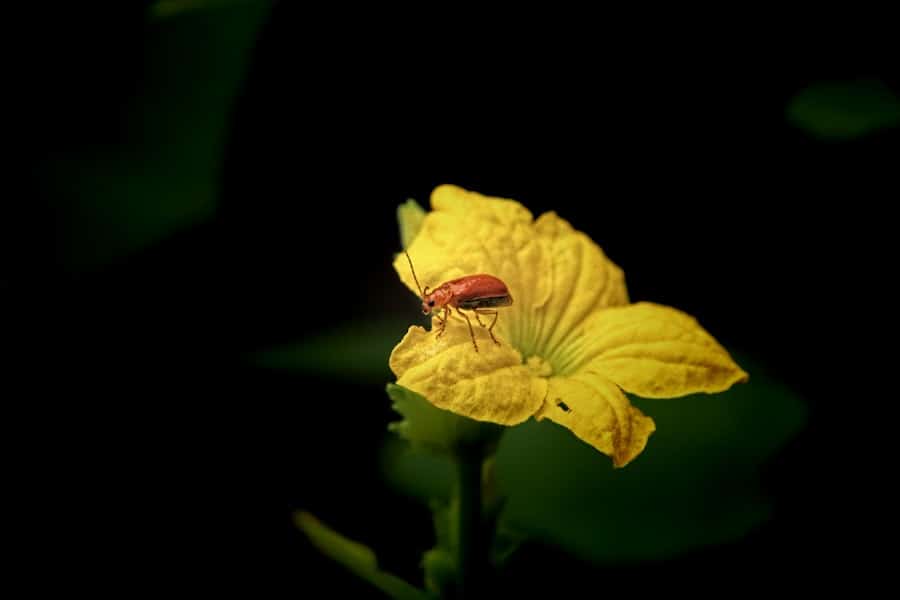
Outdoor pests can pose a different set of challenges compared to their indoor counterparts. You might find yourself dealing with insects like mosquitoes, ticks, or wasps that not only disrupt your outdoor activities but can also pose health risks. Recognizing these pests is vital for both your comfort and safety.
For example, if you notice an increase in mosquito activity during warm months, it’s essential to take measures to reduce standing water around your property, as this is where they breed. Additionally, outdoor pests like termites can cause significant damage to your home’s structure if left unchecked. If you see mud tubes along your foundation or discarded wings near windowsills, these could be signs of a termite infestation.
Other outdoor pests include various types of beetles and caterpillars that may damage your garden plants. By being aware of these outdoor pests and their behaviors, you can take proactive steps to protect your home and garden from potential harm.
Differentiating Between Insects and Rodents
Understanding the differences between insects and rodents is crucial for effective pest management. While both can cause damage and discomfort, their behaviors and habitats vary significantly. Insects such as ants, cockroaches, and flies typically have six legs and a segmented body, while rodents like mice and rats have fur-covered bodies and long tails.
You may notice that insects often reproduce quickly and can invade your home in large numbers, while rodents tend to be more solitary and may require different strategies for control. Moreover, the signs of their presence differ as well. Insects often leave behind droppings that are small and hard to spot, while rodents produce larger droppings that are more easily identifiable.
Additionally, insects may create nests in hidden areas like wall voids or under appliances, whereas rodents tend to build nests in more accessible locations like attics or basements. By understanding these distinctions, you can tailor your approach to pest control more effectively.
The Importance of Pest Identification
Proper pest identification is paramount for effective management and eradication strategies. You might think that all pests are created equal; however, different species require different approaches for control. For instance, using insecticides designed for ants may not be effective against cockroaches or termites.
By accurately identifying the pest in question, you can choose the most appropriate treatment method that will yield the best results. Furthermore, understanding the specific habits and life cycles of various pests can help you anticipate their behavior and prevent future infestations. For example, knowing that certain pests are more active during specific seasons allows you to take preventive measures ahead of time.
This proactive approach not only saves you time and money but also contributes to a healthier living environment for you and your family.
Using Pest Identification Guides and Resources

University and Agricultural Resources
Many universities and agricultural extensions also provide valuable information on local pest species and their management.
Mobile Apps for Pest Identification
Additionally, mobile apps designed for pest identification can be incredibly useful tools at your disposal. These apps often allow you to upload photos of suspected pests for instant identification and provide tailored advice on how to deal with them.
Empowering Effective Pest Management
By utilizing these resources, you empower yourself with knowledge that can lead to more effective pest management strategies.
Seeking Professional Pest Identification Services
While self-identification is a valuable skill, there are times when seeking professional pest identification services is the best course of action. If you find yourself overwhelmed by a potential infestation or unable to identify the pest causing concern, enlisting the help of experts can provide peace of mind. Pest control professionals have extensive training and experience in identifying various species accurately and understanding their behaviors.
Moreover, professionals often have access to advanced tools and treatments that may not be available to the average homeowner. They can conduct thorough inspections of your property to identify hidden infestations and recommend tailored solutions based on their findings. By seeking professional assistance when needed, you ensure that any pest problems are addressed promptly and effectively.
Understanding the Behavior and Habits of Different Pests
To effectively manage pests, it’s essential to understand their behavior and habits. Each species has unique characteristics that dictate how they interact with their environment. For instance, some pests are nocturnal and prefer to come out at night when it’s dark and quiet; others may be more active during the day.
By knowing when certain pests are most active, you can adjust your monitoring efforts accordingly. Additionally, understanding what attracts specific pests can help you take preventive measures. For example, if you know that fruit flies are drawn to overripe fruit, keeping your kitchen clean and disposing of old produce promptly can reduce their presence significantly.
Similarly, understanding that rodents are attracted to food sources will encourage you to store food securely and seal any entry points into your home.
Identifying Pest Damage to Property
Pest damage can manifest in various ways, often leading to costly repairs if not addressed promptly. You may notice signs such as chewed wires, gnawed furniture edges, or even structural damage caused by termites or carpenter ants. Identifying these signs early on is crucial for mitigating further damage and ensuring the safety of your home.
In addition to physical damage, some pests can also lead to health risks through contamination or disease transmission. For instance, rodent droppings can carry harmful pathogens that pose serious health risks to humans. By being vigilant about identifying pest damage early on, you not only protect your property but also safeguard your family’s health.
Recognizing the Signs of Pest Activity
Recognizing signs of pest activity is essential for effective management strategies. You might notice unusual sounds coming from walls or ceilings at night—these could be indicative of rodents scurrying about or insects moving within their nests. Additionally, visual cues such as trails of ants leading to food sources or webs spun by spiders can signal an active infestation.
Another sign to watch for is unusual odors; some pests emit distinct smells that can alert you to their presence. For example, a musty odor may indicate mold growth associated with moisture-loving pests like termites or carpenter ants. By staying alert to these signs of activity, you can take timely action before an infestation spirals out of control.
Preventing Future Pest Infestations
Prevention is always better than cure when it comes to pest management. You have the power to create an environment that is less inviting for pests by implementing simple yet effective strategies. Start by sealing any cracks or gaps around windows and doors; this will help keep unwanted visitors out of your home.
Additionally, maintaining cleanliness in your living spaces—especially in kitchens—can significantly reduce attractants for pests. Regularly inspecting your property for signs of wear or damage is also crucial in preventing infestations before they start. If you notice any issues such as leaks or damp areas in your home’s structure, addressing them promptly will deter moisture-loving pests from taking up residence.
By adopting these preventive measures consistently, you create a less hospitable environment for pests while ensuring peace of mind for yourself and your family. In conclusion, understanding pest identification is an essential skill for maintaining a healthy living environment. By recognizing the signs of infestation early on and differentiating between various types of pests—both indoor and outdoor—you empower yourself with knowledge that leads to effective management strategies.
Utilizing available resources such as guides and professional services further enhances your ability to tackle pest problems head-on while preventing future infestations through proactive measures.
If you are looking for the best pest control service in Glendale, California, Thrift Pest Control is the place to go. They offer top-notch services to help you identify and eliminate different types of pests in and around your property. In a related article on their website